
Great Grey Owl vs Stygian Owl
Strix nebulosa versus Asio stygius
Play a quiz with Great Grey Owl and Stygian Owl
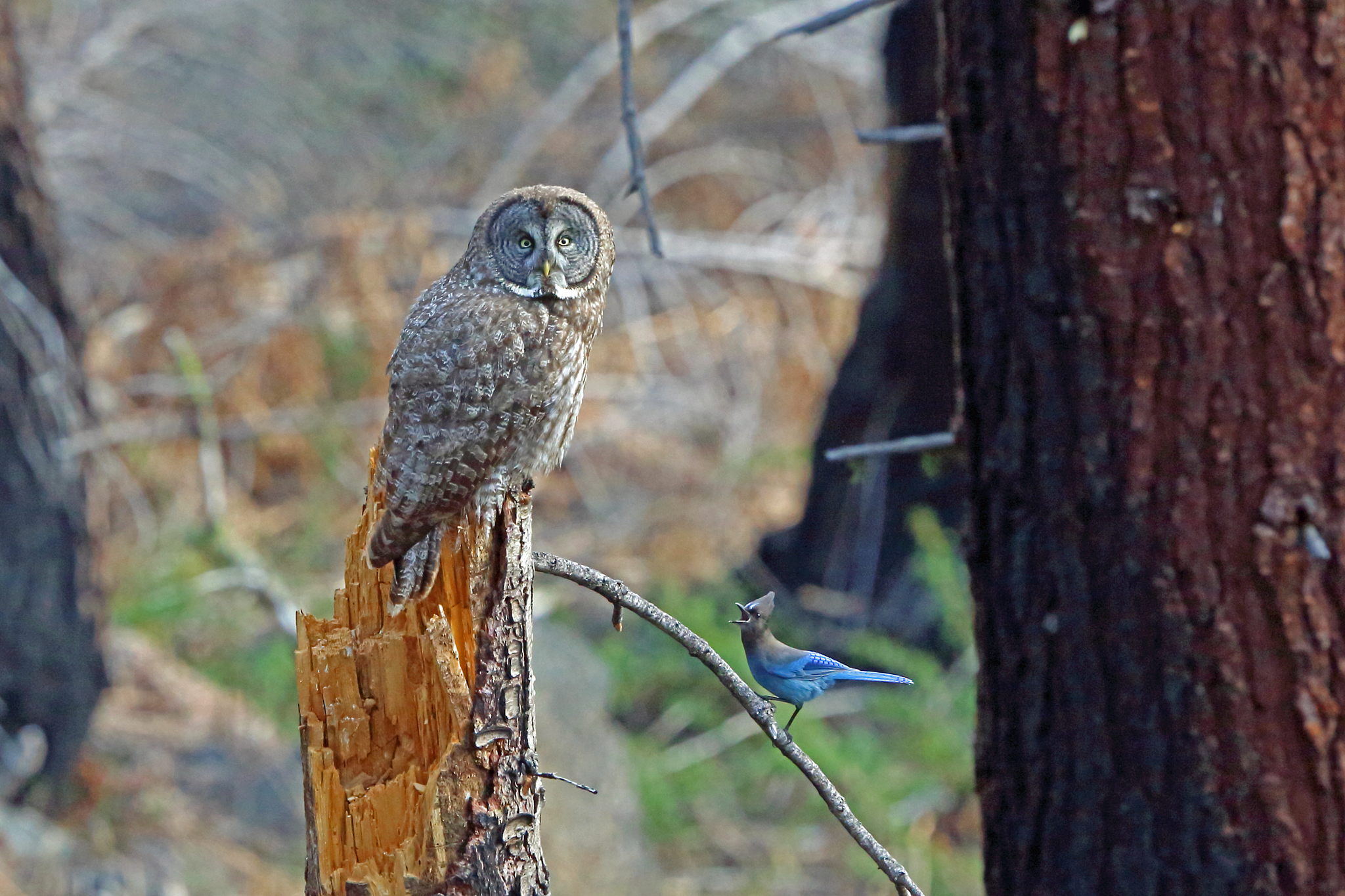 Great Grey Owl
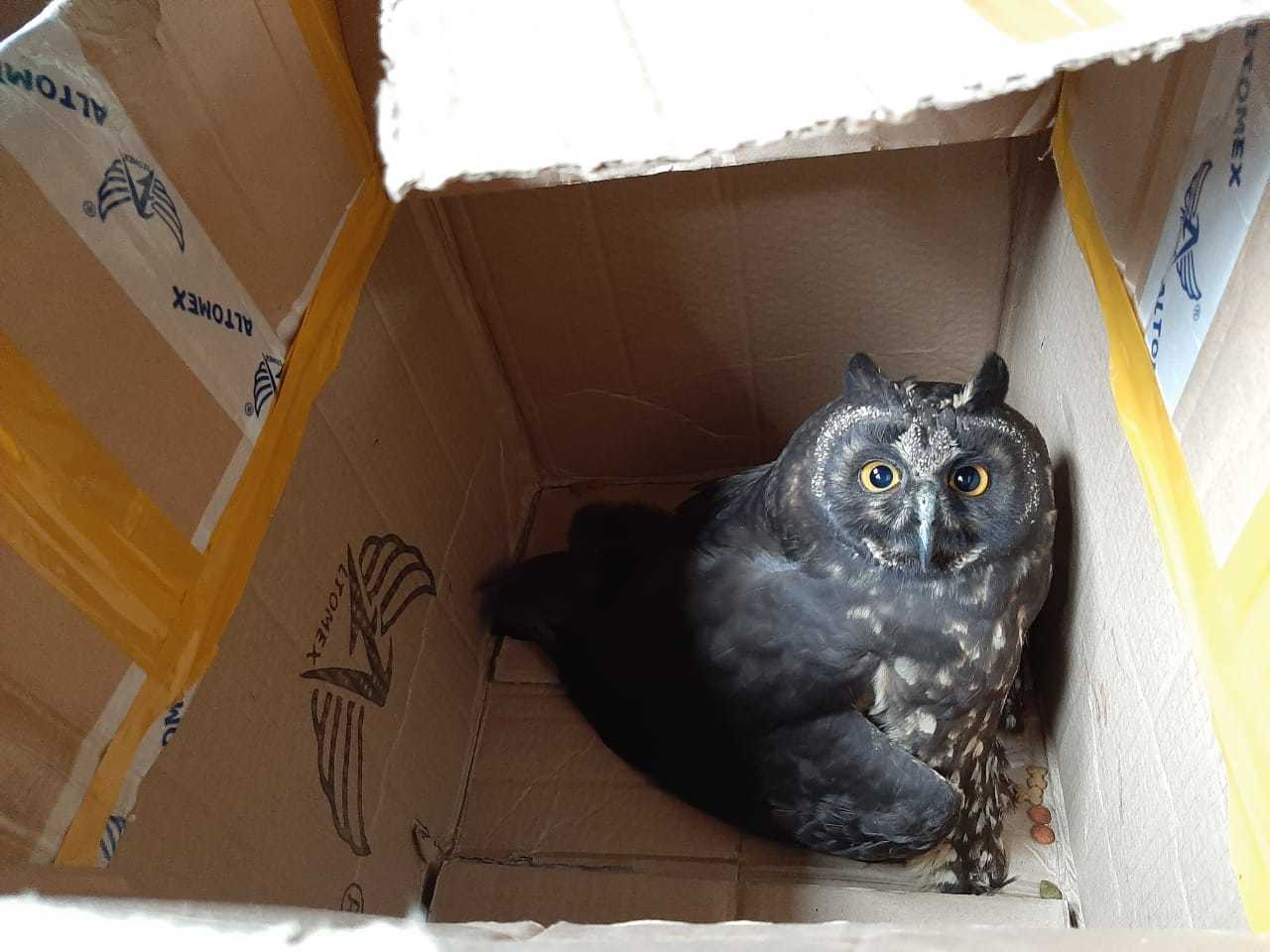 Stygian Owl
In short
The Great Grey Owl is a large, bulky owl with a distinctive facial disc and lacks ear tufts, while the Stygian Owl is smaller, with prominent ear tufts and a darker appearance. These differences in structure and plumage are key to distinguishing them in the field.
Identification tips
1. Size and Bulk: Great Grey Owls are larger and bulkier, while Stygian Owls are smaller and more slender. 2. Facial Features: Look for the Great Grey Owl's large facial disc and lack of ear tufts versus the Stygian Owl's prominent ear tufts. 3. Plumage: The Great Grey Owl has a grey, streaked appearance, whereas the Stygian Owl is darker with dense streaking. 4. Habitat: Consider the habitat; Great Grey Owls prefer northern forests, while Stygian Owls are found in open woodlands and urban areas.
Size
The Great Grey Owl is significantly larger and more massive in appearance than the Stygian Owl, although much of its bulk is due to its plumage.
Plumage
The Great Grey Owl has a grey, heavily streaked plumage with a large, round facial disc and no ear tufts. In contrast, the Stygian Owl has a darker plumage with dense dark streaking on the underparts and prominent ear tufts.
Behaviour
Great Grey Owls are known for their ability to hunt rodents under snow, while Stygian Owls primarily hunt birds and are often found in more open woodlands.
Habitat
Great Grey Owls inhabit northern forests and montane meadows, often near bogs, while Stygian Owls prefer relatively open woodlands, such as pine-oak and deciduous forests, and can also be found in urban parks.