
Great Horned Owl vs Eurasian Eagle Owl
Bubo virginianus versus Bubo bubo
Play a quiz with Great Horned Owl and Eurasian Eagle Owl
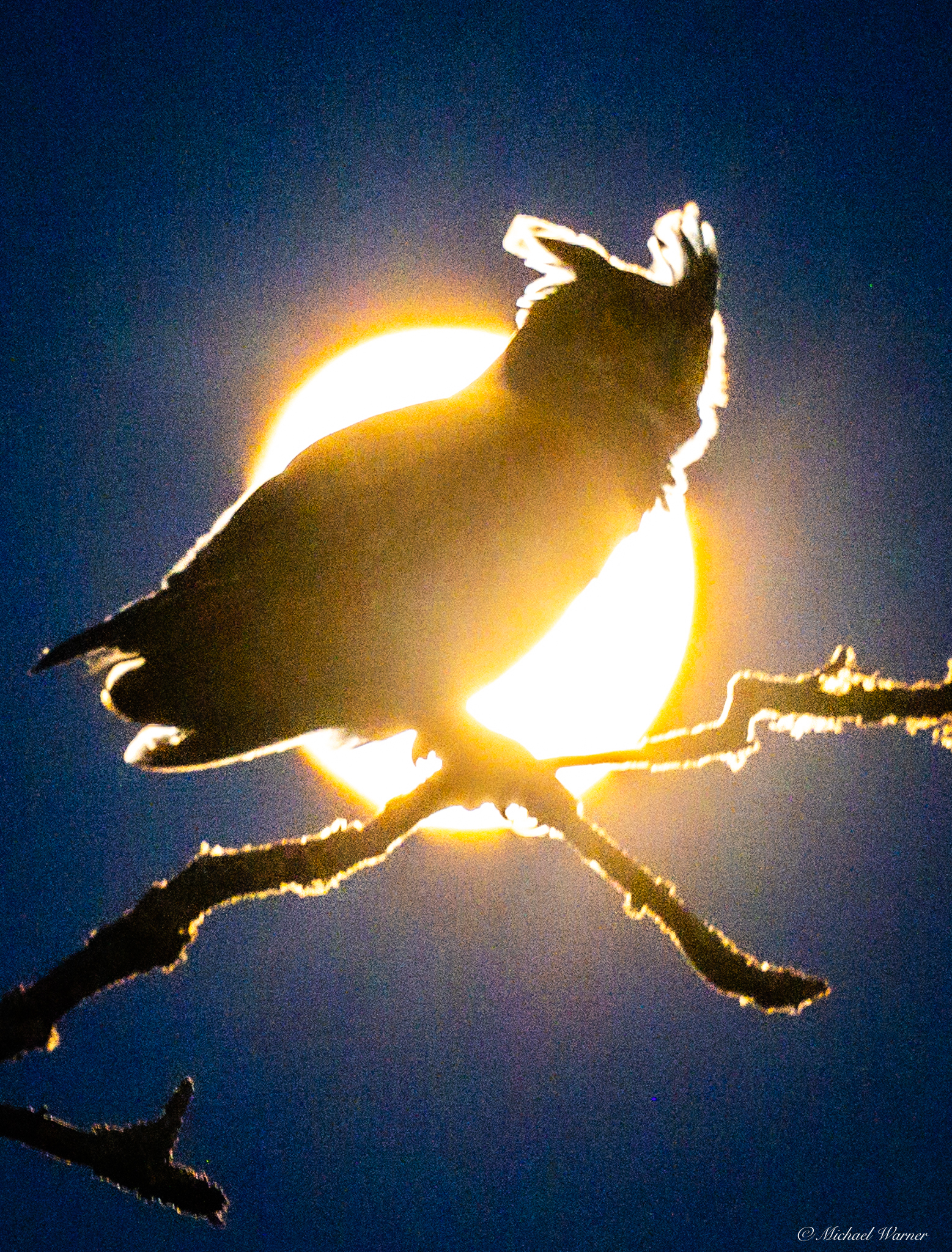 Great Horned Owl
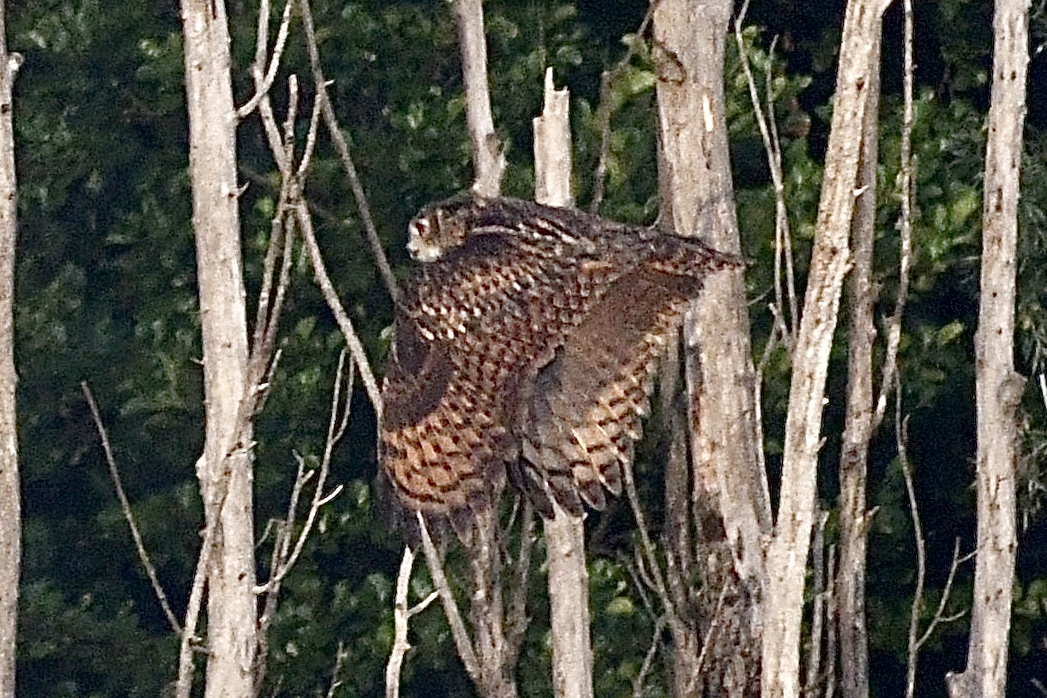 Eurasian Eagle Owl
In short
The Great Horned Owl (Bubo virginianus) and the Eurasian Eagle Owl (Bubo bubo) are both large and powerful owls, but they exhibit distinct differences in size, plumage patterns, and behavior that can help birdwatchers identify them in the field. The Great Horned Owl is generally smaller with a more varied color palette and distinct ear tufts, while the Eurasian Eagle Owl is larger, with more robust features and a generally more uniform coloration.
Identification tips
- Birds of the World Similar-Species Diagnostics:
-
The Great Horned Owl is noted for its “mottled gray-brown plumage” and “distinct ear tufts” (Birds of the World). The Eurasian Eagle Owl is described as larger with “more robust features” and a “uniform coloration,” which can help differentiate them in field observations.
-
AI Field Diagnostics:
- Size: When comparing size, the Eurasian Eagle Owl will appear more robust and larger than the Great Horned Owl. If you can observe them side by side, the size difference is quite pronounced.
- Plumage Patterns: Look for the Great Horned Owl’s more varied color palette—notice the rusty tones and mottled patterns. The Eurasian Eagle Owl tends to have a more uniform coloration that is generally drab.
- Behavior: If observed hunting, the Great Horned Owl may appear more stealthy and patient, while the Eurasian Eagle Owl may display more assertive behaviors and can be seen taking larger prey.
- Vocalization: Pay close attention to their calls; the Great Horned Owl will have a more melodic series of hoots, while the Eurasian Eagle Owl's call has a growling quality that can be distinctly lower in pitch.
- Habitat Preferences: If you’re in an urban area or a highly varied habitat, you are more likely to encounter the Great Horned Owl. In more remote forested or mountainous regions, look for the Eurasian Eagle Owl.
By focusing on these characteristics, birdwatchers can effectively distinguish between the Great Horned Owl and the Eurasian Eagle Owl during their observations.
Size
- Great Horned Owl: Typically measures 18.1 to 25.6 inches (46 to 65 cm) in length, with a wingspan of about 39 to 57 inches (99 to 145 cm). Males are slightly smaller than females.
- Eurasian Eagle Owl: Considerably larger, ranging from 22 to 26.8 inches (56 to 68 cm) in length, and has a wingspan of 45 to 60 inches (115 to 152 cm). This species also exhibits sexual dimorphism, with females being larger than males.
Plumage
- Great Horned Owl: Features a mottled gray-brown plumage with a range of colors including rusty orange and white, which helps it blend into its diverse habitats. The distinctive ear tufts are prominent.
- Eurasian Eagle Owl: Displays a more uniform tawny-brown coloration with light and dark mottling. Its plumage has a more robust and dense texture, and it has prominent ear tufts as well.
Behaviour
- Great Horned Owl: Known for its perch-and-pounce hunting strategy, it often hunts from a stationary position before swooping down on prey. It is highly adaptable and can thrive in various environments.
- Eurasian Eagle Owl: Also hunts using a perch-and-pounce strategy, but it is known to be more aggressive and territorial. This species often hunts larger prey compared to the Great Horned Owl and is less adaptable to urban environments.
Habitat
- Great Horned Owl: Occupies a wide range of habitats, including forests, deserts, grasslands, and urban areas, extending throughout North and South America.
- Eurasian Eagle Owl: Prefers mountainous and forested regions but can also be found in more open terrains. Its range extends across Europe, Asia, and parts of North Africa.
Voice
- Great Horned Owl: Its call is a deep, resonant "whoo" sound, often described as a series of hoots, which can be heard over long distances.
- Eurasian Eagle Owl: Produces a lower and more growling vocalization compared to the Great Horned Owl. Its calls are often described as a series of deep, echoed hoots.