
Great Skua vs Western Cattle-Egret
Stercorarius skua versus Ardea ibis
Play a quiz with Great Skua and Western Cattle-Egret
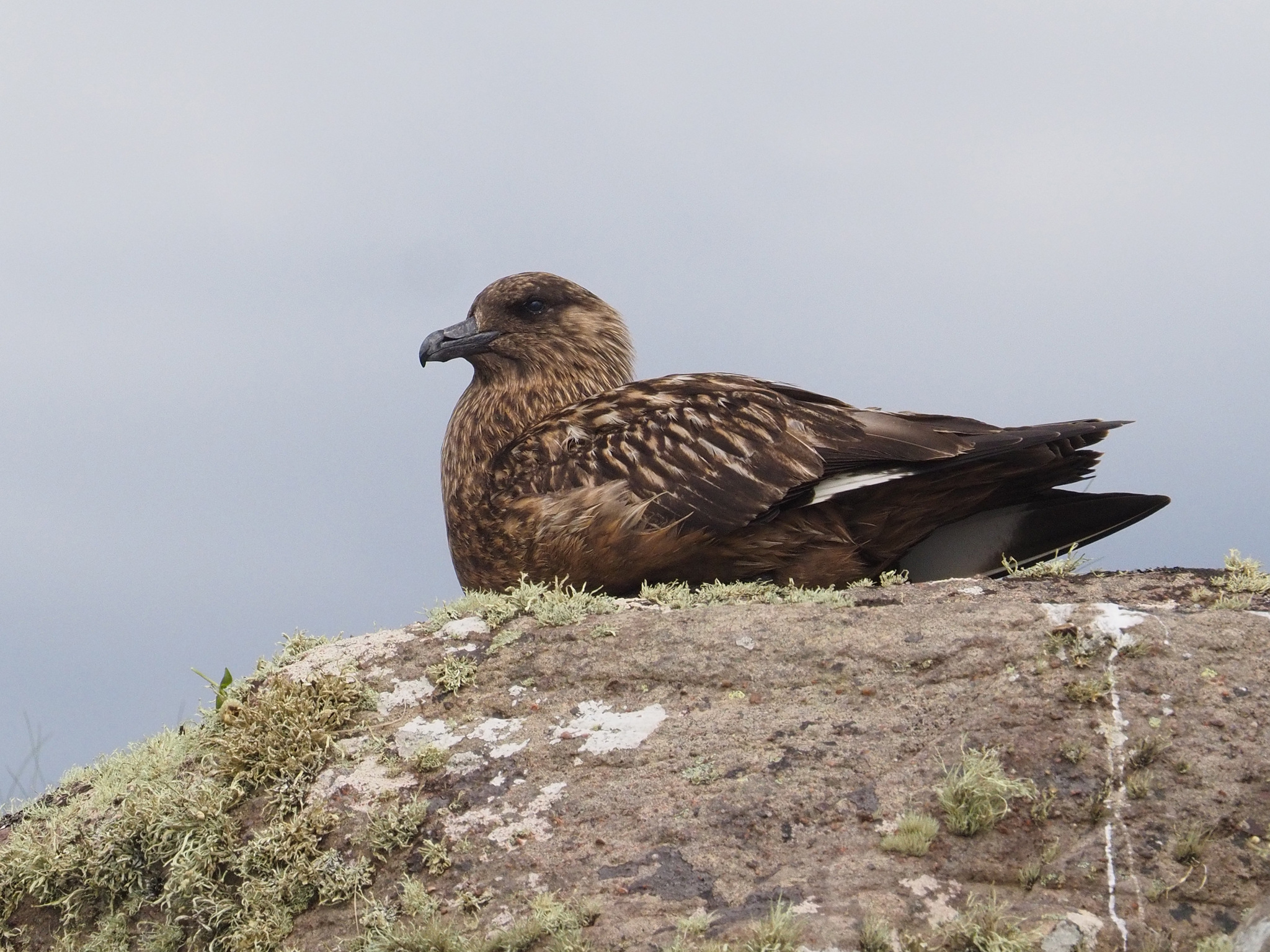 Great Skua
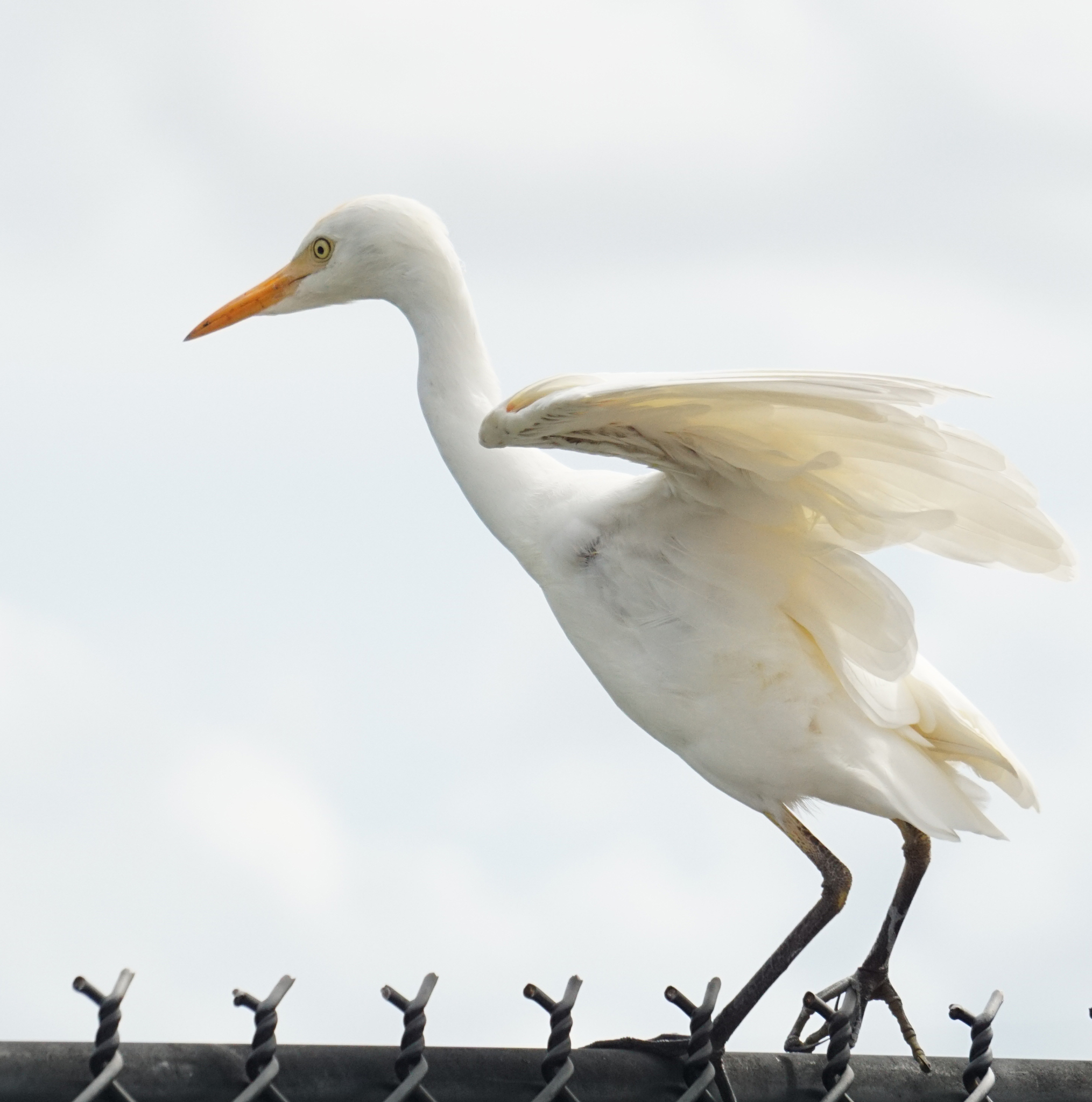 Western Cattle-Egret
In short
The Western Cattle-Egret and the Great Skua are two distinctly different bird species that can be distinguished by size, plumage, habitat, and behavior. The Western Cattle-Egret is smaller, primarily white, and often found in pastures and grasslands near grazing animals, while the Great Skua is a large, brown seabird associated with marine environments, noted for its aggressive behavior and distinctive dark plumage.
Identification tips
- Birds of the World Similar-Species Diagnostics:
- The Western Cattle-Egret is distinguished from other herons and egrets by its preference for grasslands and its association with grazing livestock. Its breeding plumage features a yellowish-orange tint that is not present in similar species (from "Similar Species" section).
-
The Great Skua can be confused with other large gulls, but its more robust build, darker plumage, and distinctive bill shape are key identifiers (from "Similar Species" section).
-
AI Field Diagnostics:
- When identifying the Western Cattle-Egret, look for its smaller size, white plumage, and habit of foraging in fields rather than near water. Its association with cows or other grazing animals is a significant clue.
- For the Great Skua, note its larger size, dark brown coloration, and aggressive behavior towards other seabirds. If you see a large bird hovering over the ocean or diving towards other birds, it is likely a Great Skua.
- Pay attention to the context: if you're in a pasture or near livestock, the Western Cattle-Egret is more likely. In contrast, if you’re near coastal areas or open waters, the Great Skua is the expected species.
Size
- Western Cattle-Egret: Typically measures about 55-65 cm in length (22-26 inches) with a wingspan of 88-100 cm (34-39 inches). It has a relatively compact build compared to herons and egrets.
- Great Skua: Much larger, measuring 54-65 cm (21-26 inches) in length with a wingspan of 140-160 cm (55-63 inches). The Great Skua has a robust body and a more powerful build, adapted for its predatory lifestyle.
Plumage
- Western Cattle-Egret: Breeding adults have white plumage with a distinctive orange-yellow tinge on the crown, throat, and back during breeding season. Non-breeding individuals are entirely white. They have a slightly decurved bill.
- Great Skua: Exhibits dark brown plumage overall, with lighter mottling on the upperparts and a pale head. The underparts are generally darker, and it has a robust, heavy bill with a hooked tip, which is essential for its scavenging and predatory habits.
Behaviour
- Western Cattle-Egret: Often seen foraging in open grasslands, it feeds on insects and small invertebrates disturbed by grazing animals. They exhibit a gregarious nature, often foraging in groups or associating closely with livestock.
- Great Skua: Known for its aggressive behavior, it often steals food from other seabirds (kleptoparasitism). It is typically seen soaring over coastal waters or scavenging around breeding colonies of other seabirds.
Habitat
- Western Cattle-Egret: Prefers habitats such as grasslands, pastures, and agricultural fields, often found in association with livestock which helps it find food.
- Great Skua: Primarily inhabits coastal areas and open seas, often nesting on remote islands. It is usually found in marine environments, particularly during the breeding season when it is near its nesting sites.
Voice
- Western Cattle-Egret: Generally has a soft, croaking call, often repeated in various contexts, particularly during breeding displays.
- Great Skua: Recognized for its harsh, loud calls that sound like a series of barks or yelps, especially during territorial displays or when defending its nest.