Birdr

Greater Flamingo vs Little Ringed Plover

Phoenicopterus roseus versus Thinornis dubius

Play a quiz with Greater Flamingo and Little Ringed Plover
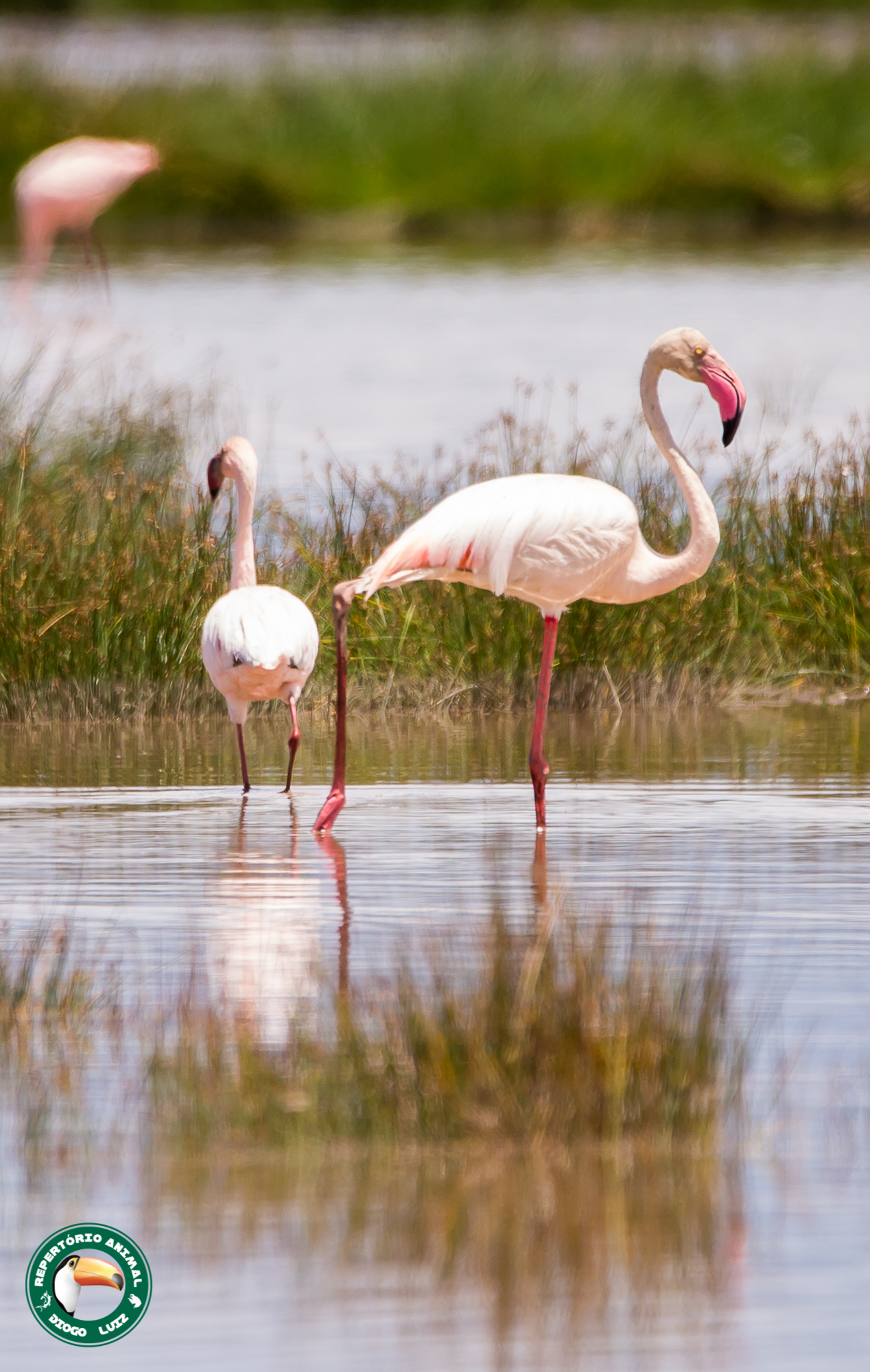
Greater Flamingo (Phoenicopterus roseus) Greater Flamingo
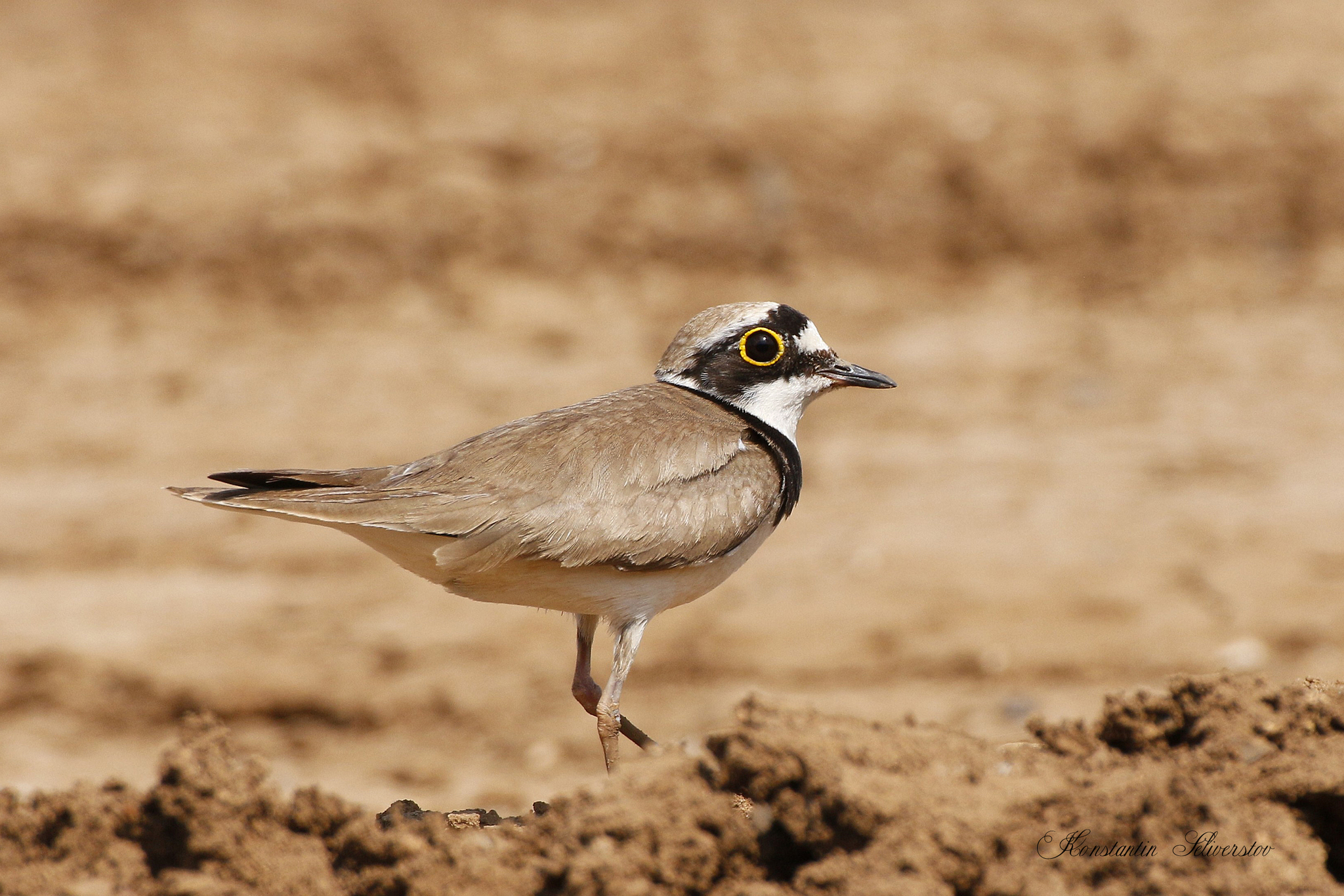
Little Ringed Plover (Thinornis dubius) Little Ringed Plover

Media

Loading…

In short

The Greater Flamingo and Little Ringed Plover are easily distinguished by their size and habitat preferences. Greater Flamingos are large, pink birds often found in wetlands, while Little Ringed Plovers are small, brown and white shorebirds typically seen near freshwater bodies.

Identification tips

Look for the size difference first; Greater Flamingos are unmistakably larger. Check the habitat: flamingos in wetlands, plovers on sandy shores. Note the plumage: pink and white for flamingos, brown and white with a black head pattern for plovers. Listen for the calls: Greater Flamingos are mostly silent, Little Ringed Plovers have a high-pitched 'peep'.

Size

Greater Flamingos are significantly larger than Little Ringed Plovers, with long legs and necks, standing out in any mixed group.

Plumage

Greater Flamingos have pinkish-white plumage with black-tipped wings, while Little Ringed Plovers have brown upperparts, white underparts, and a distinctive black head pattern with a white supercilium and a black breast band.

Behaviour

Greater Flamingos often feed by wading and filtering water through their bills, while Little Ringed Plovers are more likely to be seen running along the ground, stopping to peck at insects.

Habitat

Greater Flamingos are typically found in large saline or alkaline lakes and lagoons, whereas Little Ringed Plovers prefer sandy or muddy shores of freshwater lakes and rivers.

Voice

Greater Flamingos are generally silent but may produce low honking sounds, while Little Ringed Plovers have a distinctive, high-pitched 'peep' call.

Submit a better description

Use the same sections as the comparison. Your text is published immediately.

The Greater Flamingo and Little Ringed Plover are easily distinguished by their size and habitat preferences. Greater Flamingos are large, pink birds often found in wetlands, while Little Ringed Plovers are small, brown and white shorebirds typically seen near freshwater bodies.

Look for the size difference first; Greater Flamingos are unmistakably larger. Check the habitat: flamingos in wetlands, plovers on sandy shores. Note the plumage: pink and white for flamingos, brown and white with a black head pattern for plovers. Listen for the calls: Greater Flamingos are mostly silent, Little Ringed Plovers have a high-pitched 'peep'.

Greater Flamingos are significantly larger than Little Ringed Plovers, with long legs and necks, standing out in any mixed group.

Greater Flamingos have pinkish-white plumage with black-tipped wings, while Little Ringed Plovers have brown upperparts, white underparts, and a distinctive black head pattern with a white supercilium and a black breast band.

Greater Flamingos often feed by wading and filtering water through their bills, while Little Ringed Plovers are more likely to be seen running along the ground, stopping to peck at insects.

Greater Flamingos are typically found in large saline or alkaline lakes and lagoons, whereas Little Ringed Plovers prefer sandy or muddy shores of freshwater lakes and rivers.

Greater Flamingos are generally silent but may produce low honking sounds, while Little Ringed Plovers have a distinctive, high-pitched 'peep' call.

Discard your changes?

You have unsaved edits. If you leave now, those changes will be lost.

Greater Flamingo · Little Ringed Plover · My Tricky Birds