Birdr

Greater Hoopoe-Lark vs Fieldfare

Alaemon alaudipes versus Turdus pilaris

Play a quiz with Greater Hoopoe-Lark and Fieldfare
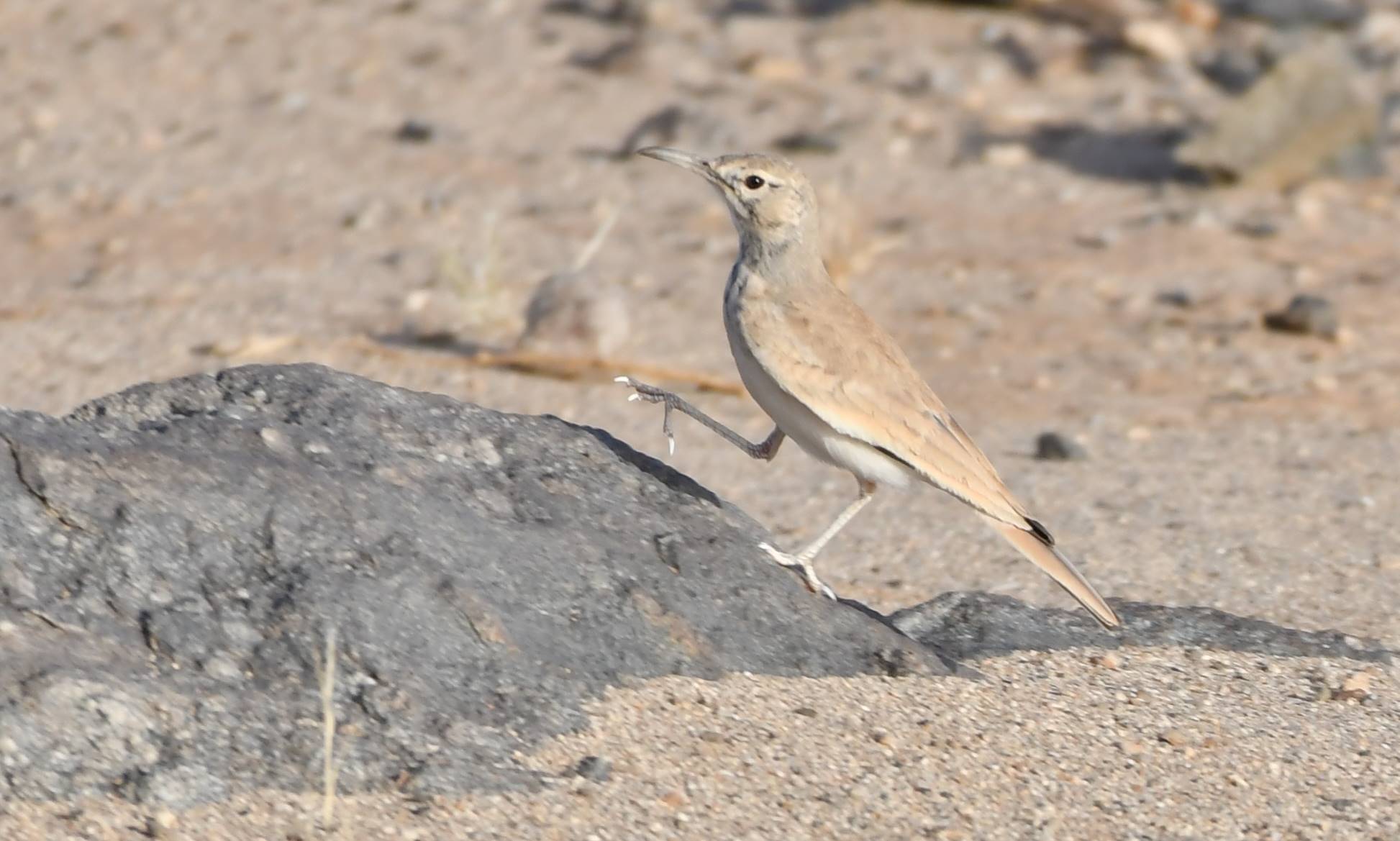
Greater Hoopoe-Lark (Alaemon alaudipes) Greater Hoopoe-Lark
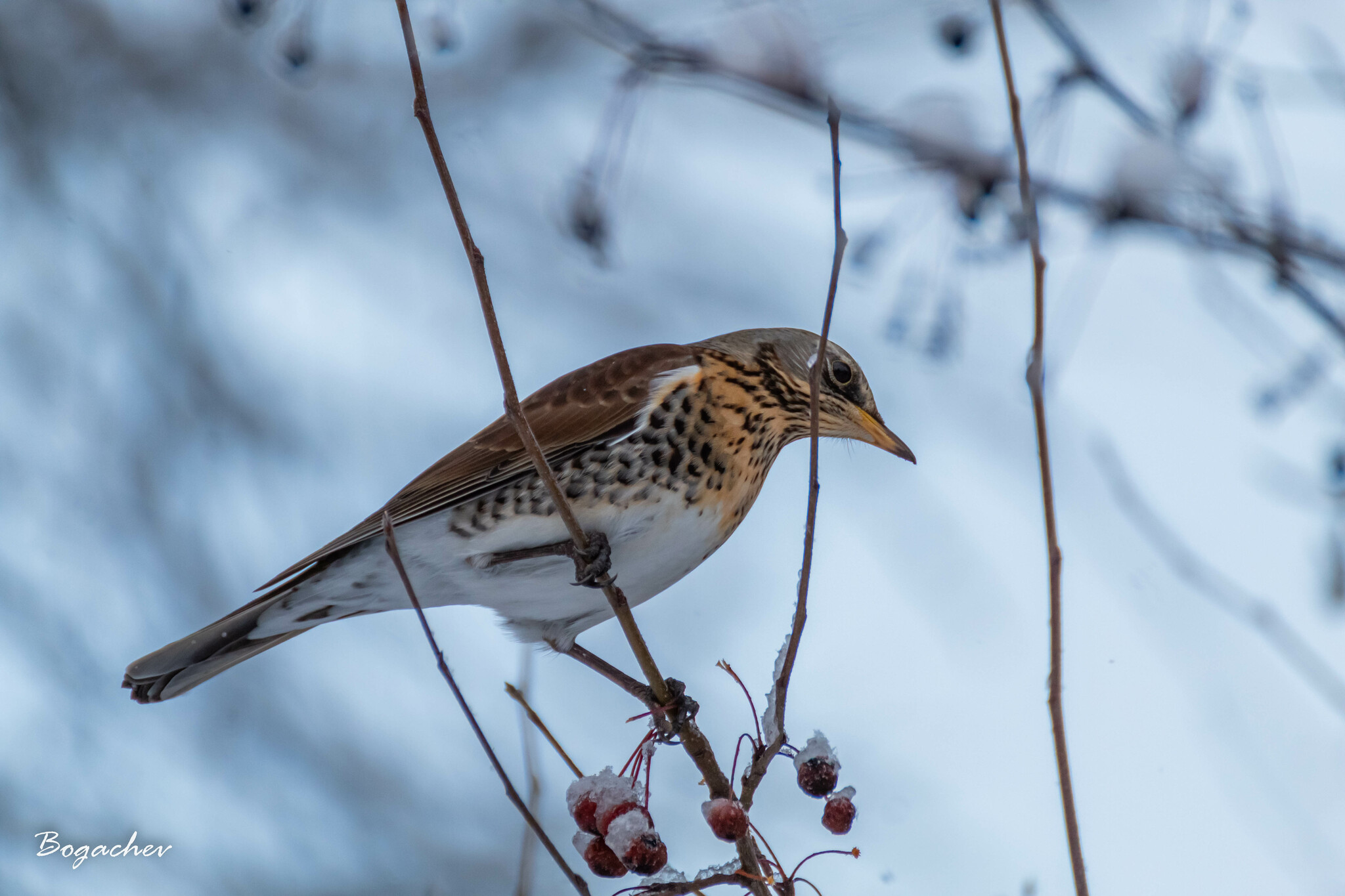
Fieldfare (Turdus pilaris) Fieldfare

Media

Loading…

In short

The Greater Hoopoe-Lark and Fieldfare are distinct in both appearance and behavior. The Greater Hoopoe-Lark is adapted to arid environments with a long, decurved bill and sandy plumage, while the Fieldfare is a thrush with a more typical thrush shape and distinctive gray head and rump.

Identification tips

Look for the long, decurved bill and sandy plumage of the Greater Hoopoe-Lark in desert habitats. In contrast, the Fieldfare's gray head and rump with a spotted breast are key features, often seen in more temperate regions. Note the running behavior of the lark versus the flocking and foraging behavior of the Fieldfare.

Size

The Greater Hoopoe-Lark is slightly larger and more elongated than the Fieldfare, with a longer bill and legs.

Plumage

The Greater Hoopoe-Lark has sandy brown plumage with a white belly, while the Fieldfare has a gray head and rump, brown back, and spotted breast.

Behaviour

Greater Hoopoe-Larks are often seen running on the ground in open desert areas, while Fieldfares are more arboreal, often seen in flocks feeding on berries or foraging on the ground in open fields.

Habitat

Greater Hoopoe-Larks inhabit arid deserts and semi-deserts, whereas Fieldfares are found in open woodlands, fields, and gardens, often in colder climates.

Voice

The Greater Hoopoe-Lark has a varied song with whistles and trills, often delivered in flight, while the Fieldfare has a distinctive 'chack-chack' call and a simple, repetitive song.

Submit a better description

Use the same sections as the comparison. Your text is published immediately.

The Greater Hoopoe-Lark and Fieldfare are distinct in both appearance and behavior. The Greater Hoopoe-Lark is adapted to arid environments with a long, decurved bill and sandy plumage, while the Fieldfare is a thrush with a more typical thrush shape and distinctive gray head and rump.

Look for the long, decurved bill and sandy plumage of the Greater Hoopoe-Lark in desert habitats. In contrast, the Fieldfare's gray head and rump with a spotted breast are key features, often seen in more temperate regions. Note the running behavior of the lark versus the flocking and foraging behavior of the Fieldfare.

The Greater Hoopoe-Lark is slightly larger and more elongated than the Fieldfare, with a longer bill and legs.

The Greater Hoopoe-Lark has sandy brown plumage with a white belly, while the Fieldfare has a gray head and rump, brown back, and spotted breast.

Greater Hoopoe-Larks are often seen running on the ground in open desert areas, while Fieldfares are more arboreal, often seen in flocks feeding on berries or foraging on the ground in open fields.

Greater Hoopoe-Larks inhabit arid deserts and semi-deserts, whereas Fieldfares are found in open woodlands, fields, and gardens, often in colder climates.

The Greater Hoopoe-Lark has a varied song with whistles and trills, often delivered in flight, while the Fieldfare has a distinctive 'chack-chack' call and a simple, repetitive song.

Discard your changes?

You have unsaved edits. If you leave now, those changes will be lost.

Greater Hoopoe-Lark · Fieldfare · My Tricky Birds