Birdr

Greater Rhea vs Eskimo Curlew

Rhea americana versus Numenius borealis

Play a quiz with Greater Rhea and Eskimo Curlew

Greater Rhea (Rhea americana) Greater Rhea
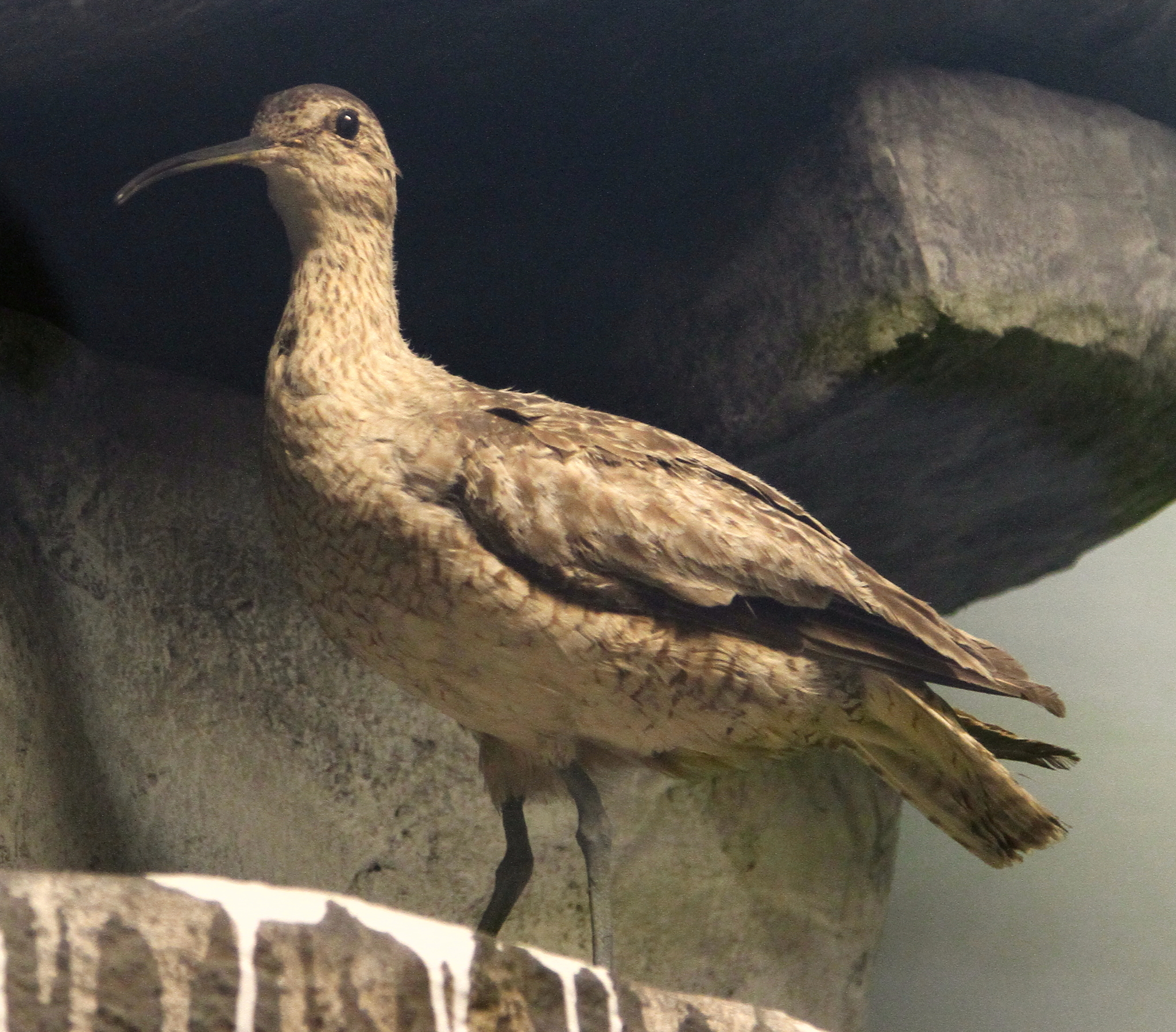
Eskimo Curlew (Numenius borealis) Eskimo Curlew

Media

Loading…

In short

The Greater Rhea and Eskimo Curlew are vastly different in appearance and habitat, making them distinguishable with a few key observations. The Greater Rhea is a large, flightless bird resembling an ostrich, while the Eskimo Curlew is a small, migratory shorebird. Observing their size, structure, and habitat should quickly differentiate these species.

Identification tips

  1. Size and Structure: Greater Rhea is large and flightless; Eskimo Curlew is small and capable of flight. 2. Habitat: Look for Greater Rhea in open grasslands; Eskimo Curlew in coastal or wetland areas. 3. Plumage: Note the plain grayish-brown of the Rhea versus the patterned plumage of the Curlew. 4. Behavior: Greater Rhea is terrestrial; Eskimo Curlew is migratory and often seen in flight.

Size

The Greater Rhea is much larger, standing over 1.5 meters tall, while the Eskimo Curlew is a small bird, about 32-37 cm in length.

Plumage

Greater Rhea has grayish-brown plumage with a fluffy appearance, lacking the intricate patterns of the Eskimo Curlew, which has sooty black to grayish brown upperparts with cinnamon underparts and a faint superciliary stripe.

Behaviour

Greater Rheas are terrestrial and flightless, often seen walking in open fields, while Eskimo Curlews are migratory and capable of flight, typically seen in coastal or open wetland areas.

Habitat

Greater Rheas inhabit open grasslands and savannas in South America, while Eskimo Curlews are found in North American tundra during breeding and migrate to South American grasslands.

Voice

No specific vocalizations are noted for Greater Rhea in the field, while Eskimo Curlew's calls are rarely documented due to its rarity.

Submit a better description

Use the same sections as the comparison. Your text is published immediately.

The Greater Rhea and Eskimo Curlew are vastly different in appearance and habitat, making them distinguishable with a few key observations. The Greater Rhea is a large, flightless bird resembling an ostrich, while the Eskimo Curlew is a small, migratory shorebird. Observing their size, structure, and habitat should quickly differentiate these species.

  1. Size and Structure: Greater Rhea is large and flightless; Eskimo Curlew is small and capable of flight. 2. Habitat: Look for Greater Rhea in open grasslands; Eskimo Curlew in coastal or wetland areas. 3. Plumage: Note the plain grayish-brown of the Rhea versus the patterned plumage of the Curlew. 4. Behavior: Greater Rhea is terrestrial; Eskimo Curlew is migratory and often seen in flight.

The Greater Rhea is much larger, standing over 1.5 meters tall, while the Eskimo Curlew is a small bird, about 32-37 cm in length.

Greater Rhea has grayish-brown plumage with a fluffy appearance, lacking the intricate patterns of the Eskimo Curlew, which has sooty black to grayish brown upperparts with cinnamon underparts and a faint superciliary stripe.

Greater Rheas are terrestrial and flightless, often seen walking in open fields, while Eskimo Curlews are migratory and capable of flight, typically seen in coastal or open wetland areas.

Greater Rheas inhabit open grasslands and savannas in South America, while Eskimo Curlews are found in North American tundra during breeding and migrate to South American grasslands.

No specific vocalizations are noted for Greater Rhea in the field, while Eskimo Curlew's calls are rarely documented due to its rarity.

Discard your changes?

You have unsaved edits. If you leave now, those changes will be lost.

Greater Rhea · Eskimo Curlew · My Tricky Birds