
Greater Scaup vs Black-tailed Godwit
Aythya marila versus Limosa limosa
Play a quiz with Greater Scaup and Black-tailed Godwit
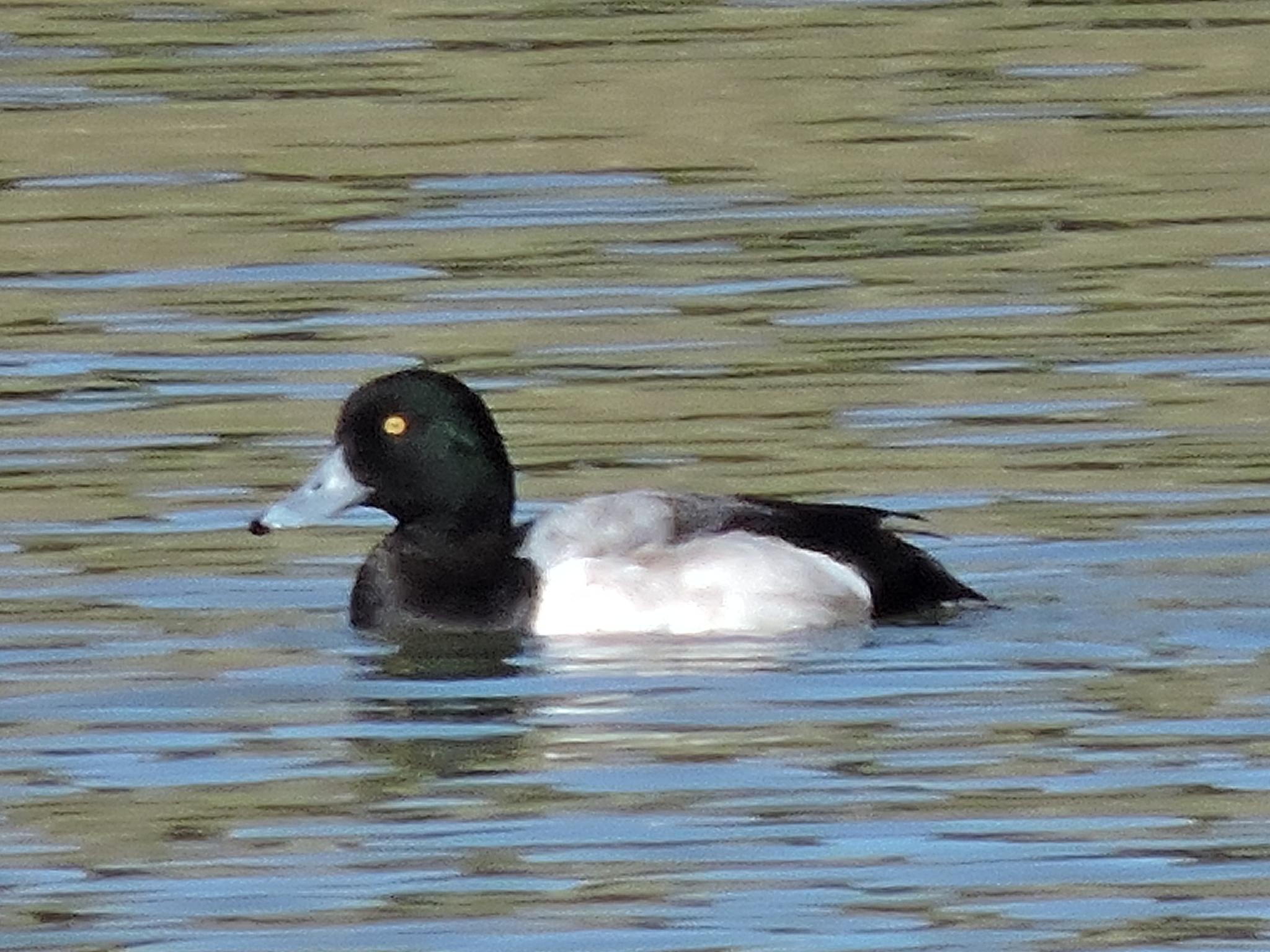 Greater Scaup
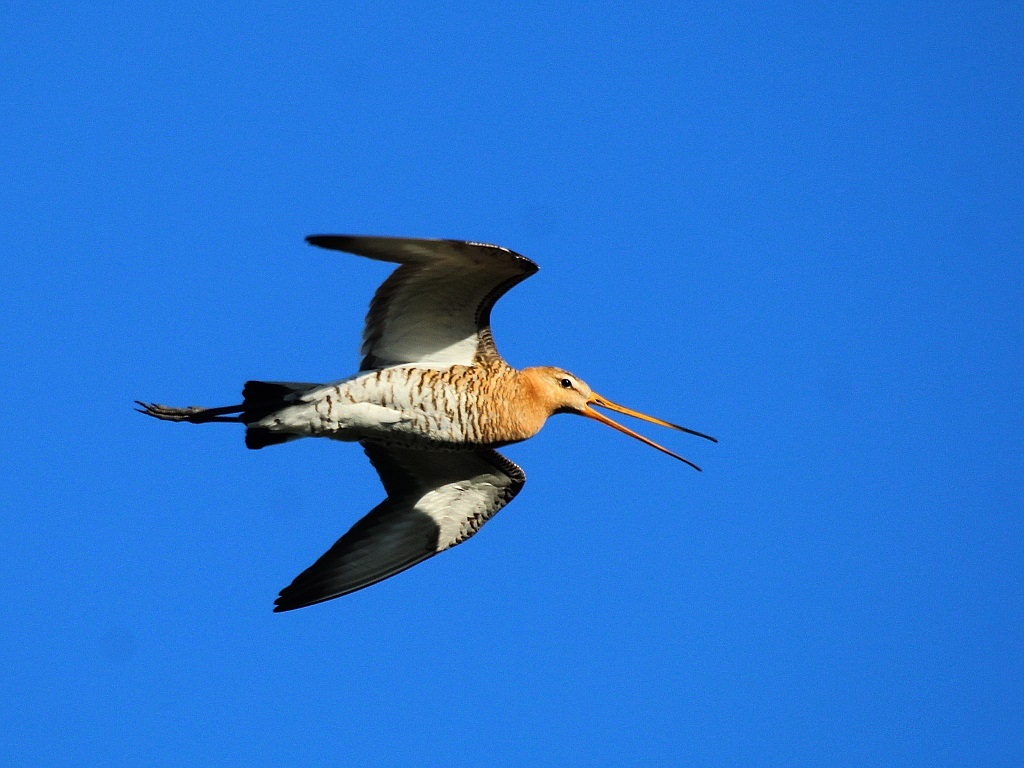 Black-tailed Godwit
In short
The Greater Scaup (Aythya marila) and the Black-tailed Godwit (Limosa limosa) are both distinctive bird species, but they belong to different families and exhibit notable differences in size, plumage, habitat preferences, and behavior. The Greater Scaup is a diving duck found primarily in freshwater and coastal habitats, while the Black-tailed Godwit is a shorebird known for its long legs and distinctive bill, typically found in wet grasslands and coastal wetlands.
Identification tips
- Birds of the World Similar-Species Diagnostics:
-
In the Similar Species section, it is noted that Greater Scaup can be confused with Lesser Scaup, but they can be distinguished by their larger size, rounder head, and the male's greenish sheen on the head. The Black-tailed Godwit, being a shorebird, can be differentiated by its long legs and bill, as well as its distinct black tail.
-
AI Field Diagnostics:
- Size and Shape: Look for the Greater Scaup's more robust body and shorter neck compared to the long-legged and long-billed Black-tailed Godwit. The overall shape is a key identifier; scaups are more rounded while godwits are elongated.
- Plumage Patterns: Pay attention to the plumage colors; the Greater Scaup has a black and white color scheme with greenish hues in the male, while the Black-tailed Godwit has reddish-brown plumage in breeding season and a unique black tail.
- Behavioral Observations: Scaup are often seen diving and foraging in water, whereas Black-tailed Godwits are primarily seen probing mudflats or wet fields. If you see a bird actively foraging in water, it's likely a Greater Scaup.
- Habitat Preferences: Note the environment; if you're near a wetland or coastal area, observe the leg length—long legs and a straight bill point to a Black-tailed Godwit, while a shorter, more compact bird indicates a Greater Scaup.
- Vocal Characteristics: Listen for calls; the Greater Scaup has a hooting sound, while the Black-tailed Godwit produces sharper, more varied notes.
By focusing on these distinguishing features, birdwatchers can effectively identify and differentiate between Greater Scaup and Black-tailed Godwit in the field.
Size
- Greater Scaup: Typically measures about 14-16 inches in length with a wingspan of approximately 28-32 inches. They have a robust body and a relatively short neck.
- Black-tailed Godwit: Measures around 14-16 inches in length as well, but has a longer wingspan of about 30-34 inches. They have long legs and a notably long, straight bill.
Plumage
- Greater Scaup: Males exhibit a distinctive black head with a green sheen, white sides, and a blackish back. Females are mottled brown with a lighter brown face and a darker crown.
- Black-tailed Godwit: Breeding adults have a striking rufous-brown plumage with a long, straight bill and a black tail. In non-breeding plumage, they appear more grayish-brown but still retain their characteristic long legs and bill.
Behaviour
- Greater Scaup: They are diving ducks, often seen foraging underwater for aquatic plants, mollusks, and crustaceans. Their social behavior includes forming large flocks during migration and wintering.
- Black-tailed Godwit: These birds are primarily foragers on mudflats and wetlands, probing the ground with their long bills to find invertebrates. They often exhibit a more solitary or small-group behavior compared to scaups.
Habitat
- Greater Scaup: Prefer freshwater lakes, ponds, and coastal bays, often migrating to coastal regions during winter. They are found in North America and parts of Eurasia.
- Black-tailed Godwit: Typically inhabit wet grasslands, marshes, and mudflats, especially during the breeding season. They are found in Europe and parts of Asia.
Voice
- Greater Scaup: Their calls are often a series of low, hooting sounds and are less varied than those of shorebirds.
- Black-tailed Godwit: Known for their distinctive, sharp calls that include a series of rapid notes, especially during flight or when disturbed.