
Greater Short-toed Lark vs Oriental Skylark
Calandrella brachydactyla versus Alauda gulgula
Play a quiz with Greater Short-toed Lark and Oriental Skylark
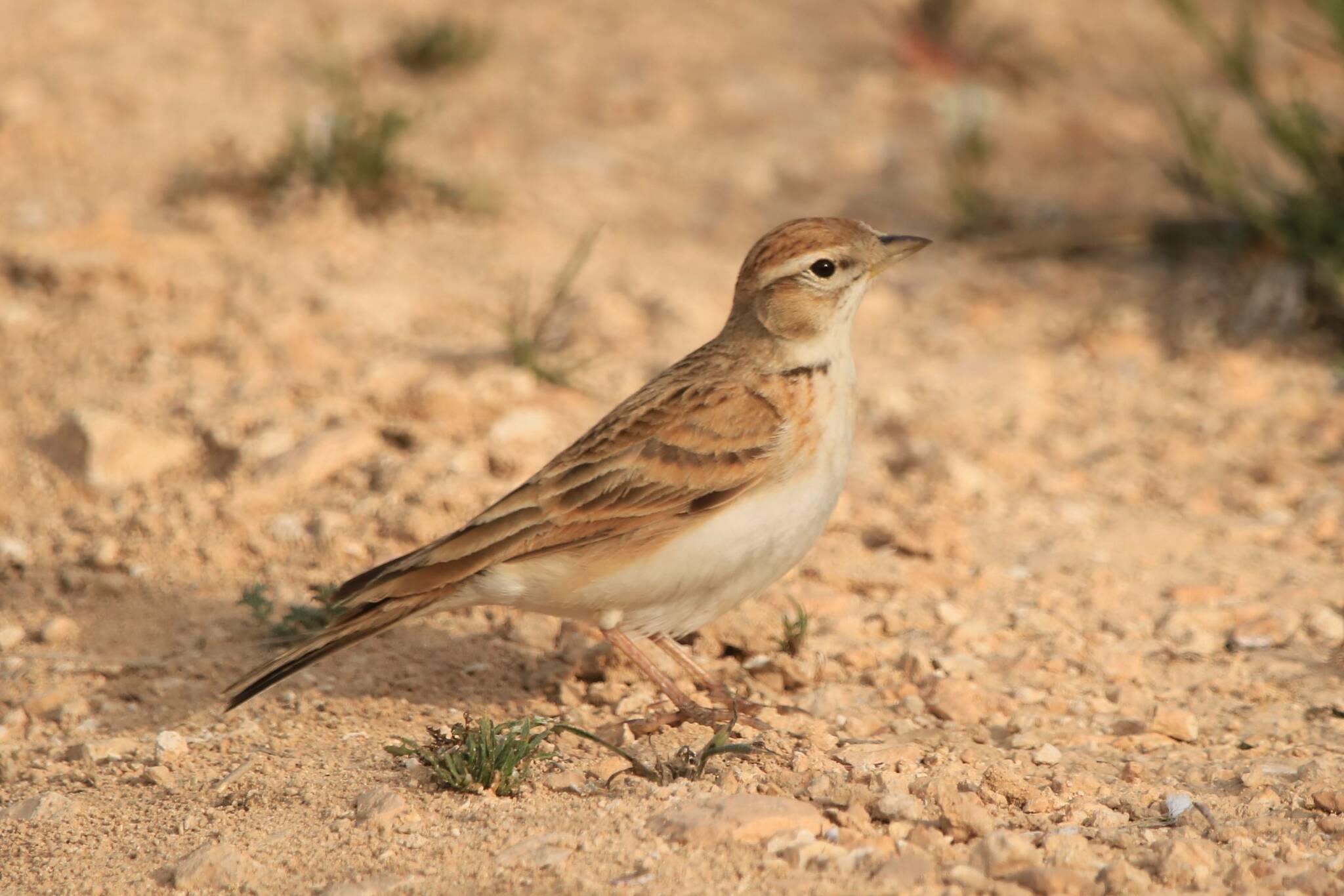 Greater Short-toed Lark
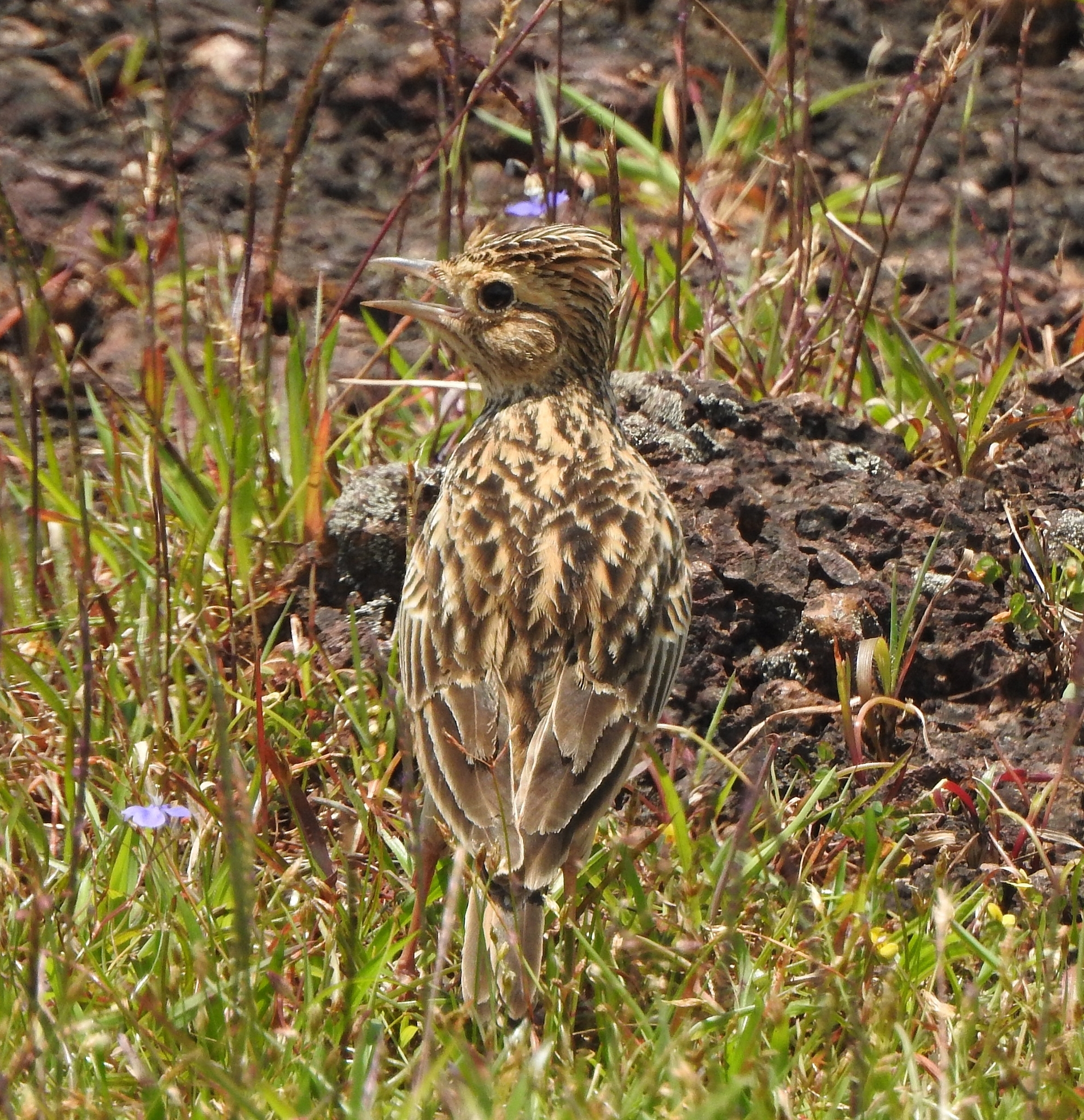 Oriental Skylark
In short
The Greater Short-toed Lark and Oriental Skylark can be distinguished by their structure and vocalizations. The Greater Short-toed Lark has a shorter bill and tail, while the Oriental Skylark is generally more robust with a longer tail. Vocalizations differ significantly, aiding in identification.
Identification tips
1. Bill and Tail: Look for the shorter bill and tail of the Greater Short-toed Lark. 2. Vocalizations: Listen for the simpler song of the Greater Short-toed Lark compared to the more complex song of the Oriental Skylark. 3. Habitat: Consider the habitat; Greater Short-toed Larks prefer drier areas. 4. Flight Display: Observe for display flights, more common in Oriental Skylarks.
Size
The Greater Short-toed Lark is slightly smaller and more compact than the Oriental Skylark.
Plumage
Both species have streaked brown plumage, but the Greater Short-toed Lark often appears paler with less distinct streaking on the breast. The Oriental Skylark may show a more pronounced supercilium and richer brown tones.
Behaviour
Both species exhibit similar ground-feeding behavior, but the Oriental Skylark is more likely to be seen performing display flights.
Habitat
The Greater Short-toed Lark prefers open, dry habitats such as steppes and semi-deserts, while the Oriental Skylark is more adaptable, found in grasslands and agricultural areas.
Voice
The Greater Short-toed Lark's song is a series of short, repetitive phrases, while the Oriental Skylark has a more varied and melodious song, often delivered in flight.
Greater Short-toed Lark · Oriental Skylark · My Tricky Birds