Birdr

Greater White-fronted Goose vs White Ibis

Anser albifrons versus Eudocimus albus

Play a quiz with Greater White-fronted Goose and White Ibis

Greater White-fronted Goose (Anser albifrons) Greater White-fronted Goose
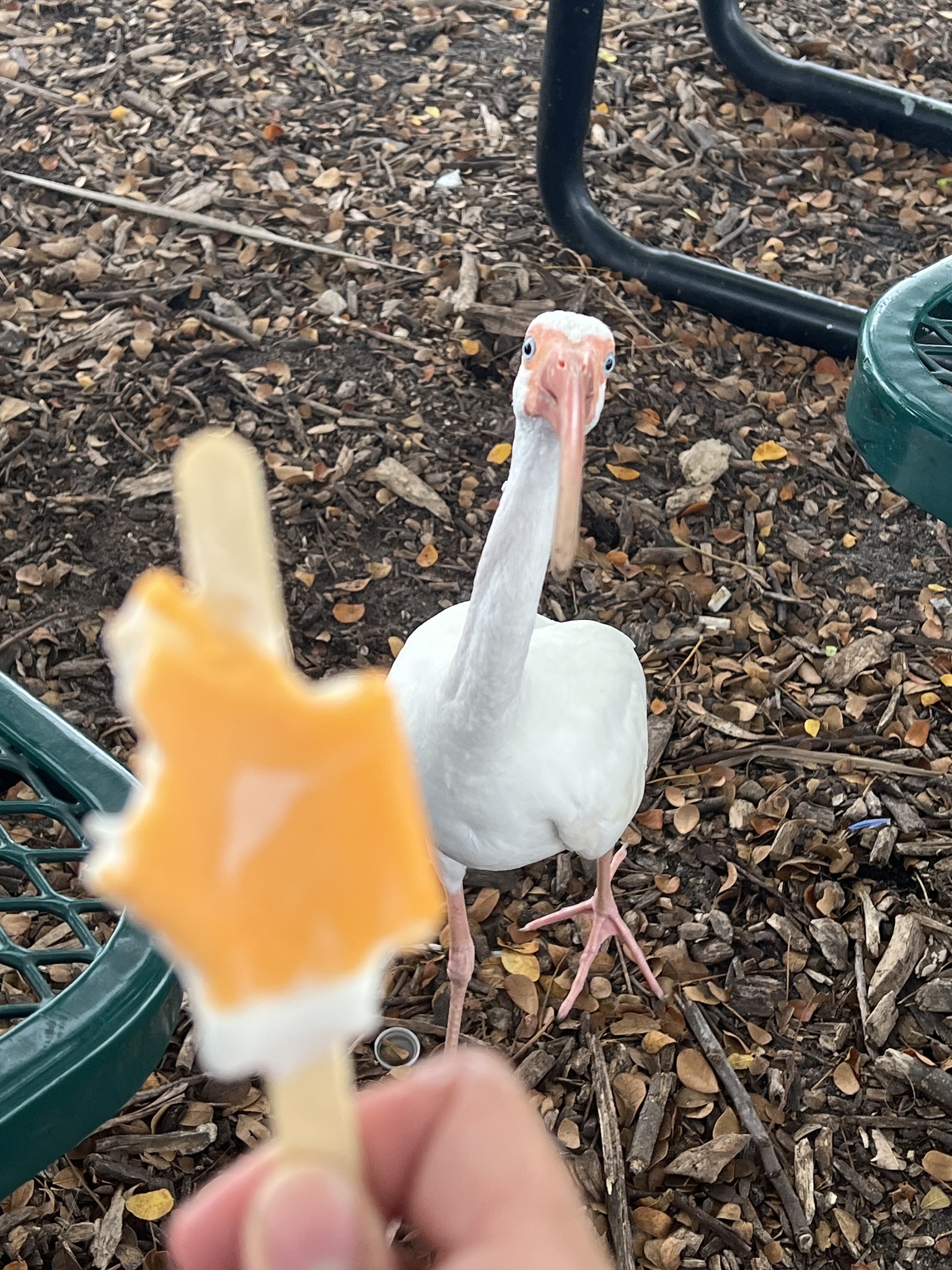
White Ibis (Eudocimus albus) White Ibis

Media

Loading…

In short

The Greater White-fronted Goose and the White Ibis are easily distinguished by their structure and habitat preferences. The goose is a large, brownish waterfowl with a white face patch and orange legs, while the ibis is a white wading bird with a long, decurved bill and pink legs. They occupy different habitats, with the goose favoring grasslands and wetlands, and the ibis frequenting freshwater and estuarine wetlands.

Identification tips

  1. Bill Shape: Look for the goose's short, stout bill versus the ibis's long, decurved bill. 2. Leg Color: The goose has orange legs, while the ibis has pink legs. 3. Habitat: Note the habitat; geese are in open fields and wetlands, ibises in marshes and swamps. 4. Plumage: The goose has a white face patch, while the ibis is entirely white. 5. Flock Behavior: Geese form flocks on land or in flight, ibises wade in water or fly in large flocks.

Size

The Greater White-fronted Goose is generally bulkier and heavier than the more slender White Ibis.

Plumage

The goose has a brown body with a distinctive white patch on the forehead and orange legs, while the ibis is entirely white with a pink face and legs.

Behaviour

Greater White-fronted Geese are often seen in flocks on the ground or in flight, while White Ibises are typically observed wading in shallow waters or flying in large flocks.

Habitat

The goose prefers grasslands, wetlands, and agricultural fields, especially during migration and winter. In contrast, the ibis is found in freshwater and estuarine wetlands, including swamps and marshes.

Voice

The Greater White-fronted Goose is known for its high-pitched, laughing calls, while the White Ibis is generally silent but may produce low grunts or croaks.

Submit a better description

Use the same sections as the comparison. Your text is published immediately.

The Greater White-fronted Goose and the White Ibis are easily distinguished by their structure and habitat preferences. The goose is a large, brownish waterfowl with a white face patch and orange legs, while the ibis is a white wading bird with a long, decurved bill and pink legs. They occupy different habitats, with the goose favoring grasslands and wetlands, and the ibis frequenting freshwater and estuarine wetlands.

  1. Bill Shape: Look for the goose's short, stout bill versus the ibis's long, decurved bill. 2. Leg Color: The goose has orange legs, while the ibis has pink legs. 3. Habitat: Note the habitat; geese are in open fields and wetlands, ibises in marshes and swamps. 4. Plumage: The goose has a white face patch, while the ibis is entirely white. 5. Flock Behavior: Geese form flocks on land or in flight, ibises wade in water or fly in large flocks.

The Greater White-fronted Goose is generally bulkier and heavier than the more slender White Ibis.

The goose has a brown body with a distinctive white patch on the forehead and orange legs, while the ibis is entirely white with a pink face and legs.

Greater White-fronted Geese are often seen in flocks on the ground or in flight, while White Ibises are typically observed wading in shallow waters or flying in large flocks.

The goose prefers grasslands, wetlands, and agricultural fields, especially during migration and winter. In contrast, the ibis is found in freshwater and estuarine wetlands, including swamps and marshes.

The Greater White-fronted Goose is known for its high-pitched, laughing calls, while the White Ibis is generally silent but may produce low grunts or croaks.

Discard your changes?

You have unsaved edits. If you leave now, those changes will be lost.

Greater White-fronted Goose · White Ibis · My Tricky Birds