Birdr

Grey-cheeked Thrush vs Virginia's Warbler

Catharus minimus versus Leiothlypis virginiae

Play a quiz with Grey-cheeked Thrush and Virginia's Warbler
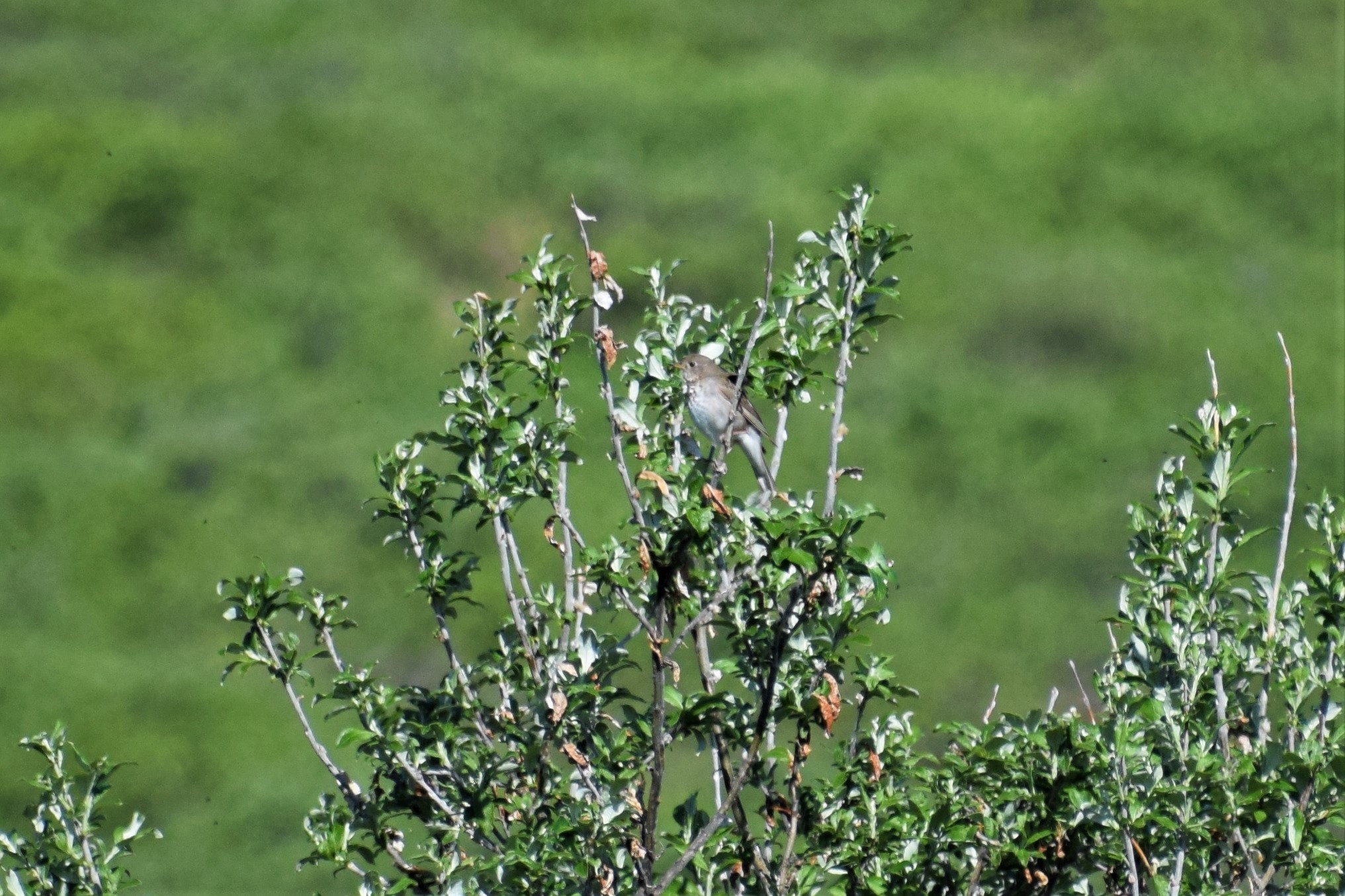
Grey-cheeked Thrush (Catharus minimus) Grey-cheeked Thrush
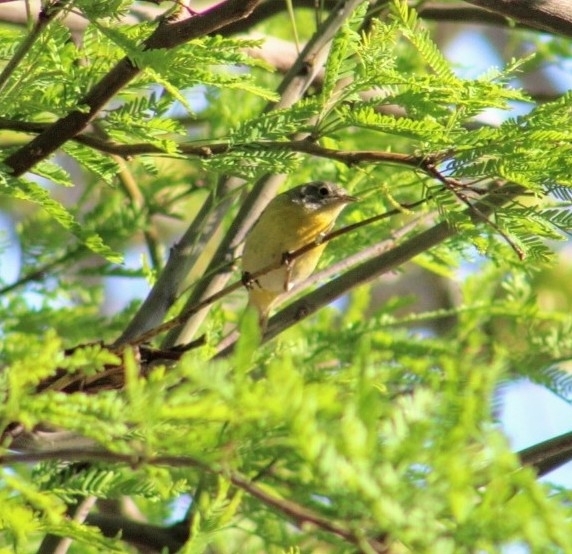
Virginia's Warbler (Leiothlypis virginiae) Virginia's Warbler

Media

Loading…

In short

Grey-cheeked Thrush and Virginia's Warbler are distinct in both appearance and habitat. The thrush is a medium-sized bird with a more muted color palette, while the warbler is smaller and more colorful. Their habitats rarely overlap, with the thrush favoring northern forests and the warbler preferring more arid regions.

Identification tips

1. Size and Shape: Look for the larger, more robust shape of the Grey-cheeked Thrush compared to the smaller Virginia's Warbler. 2. Plumage: Note the greyish face and spotted breast of the thrush versus the warbler's grey head and yellow throat. 3. Habitat: Consider the environment; thrushes are in northern forests, warblers in arid woodlands. 4. Behavior: Observe foraging habits; thrushes are ground feeders, warblers are more active in trees. 5. Song: Listen for the thrush's fluty song versus the warbler's rapid notes.

Size

Grey-cheeked Thrush is larger and more robust compared to the smaller, more delicate Virginia's Warbler.

Plumage

Grey-cheeked Thrush has a brownish-olive back with a greyish face and spotted breast, while Virginia's Warbler is more colorful with a grey head, yellow throat, and a subtle rufous crown patch.

Behaviour

Grey-cheeked Thrush is often seen foraging on the ground or low in vegetation, whereas Virginia's Warbler is more active, flitting through branches and foliage.

Habitat

Grey-cheeked Thrush inhabits dense northern forests and thickets, while Virginia's Warbler prefers dry, open woodlands and scrub in the southwestern United States.

Voice

Grey-cheeked Thrush has a fluty, melodious song, while Virginia's Warbler's song is a rapid series of high-pitched notes. Their calls are distinct, with the thrush having a more mellow tone.

Submit a better description

Use the same sections as the comparison. Your text is published immediately.

Grey-cheeked Thrush and Virginia's Warbler are distinct in both appearance and habitat. The thrush is a medium-sized bird with a more muted color palette, while the warbler is smaller and more colorful. Their habitats rarely overlap, with the thrush favoring northern forests and the warbler preferring more arid regions.

1. Size and Shape: Look for the larger, more robust shape of the Grey-cheeked Thrush compared to the smaller Virginia's Warbler. 2. Plumage: Note the greyish face and spotted breast of the thrush versus the warbler's grey head and yellow throat. 3. Habitat: Consider the environment; thrushes are in northern forests, warblers in arid woodlands. 4. Behavior: Observe foraging habits; thrushes are ground feeders, warblers are more active in trees. 5. Song: Listen for the thrush's fluty song versus the warbler's rapid notes.

Grey-cheeked Thrush is larger and more robust compared to the smaller, more delicate Virginia's Warbler.

Grey-cheeked Thrush has a brownish-olive back with a greyish face and spotted breast, while Virginia's Warbler is more colorful with a grey head, yellow throat, and a subtle rufous crown patch.

Grey-cheeked Thrush is often seen foraging on the ground or low in vegetation, whereas Virginia's Warbler is more active, flitting through branches and foliage.

Grey-cheeked Thrush inhabits dense northern forests and thickets, while Virginia's Warbler prefers dry, open woodlands and scrub in the southwestern United States.

Grey-cheeked Thrush has a fluty, melodious song, while Virginia's Warbler's song is a rapid series of high-pitched notes. Their calls are distinct, with the thrush having a more mellow tone.

Discard your changes?

You have unsaved edits. If you leave now, those changes will be lost.

Grey-cheeked Thrush · Virginia's Warbler · My Tricky Birds