Birdr

Grey-faced Buzzard vs Japanese Sparrowhawk

Butastur indicus versus Tachyspiza gularis

Play a quiz with Grey-faced Buzzard and Japanese Sparrowhawk
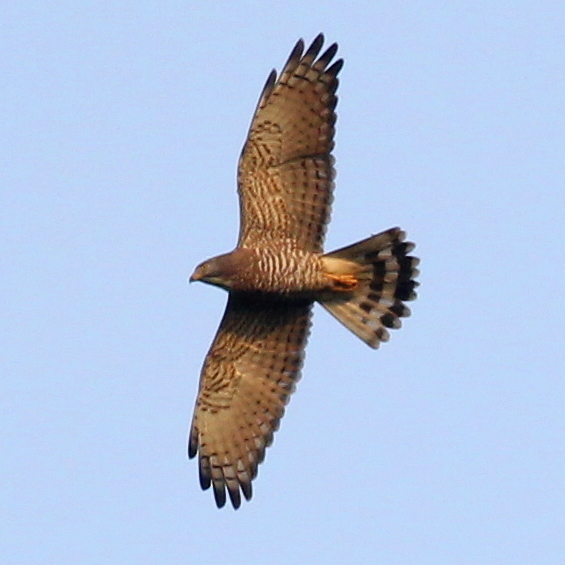
Grey-faced Buzzard (Butastur indicus) Grey-faced Buzzard
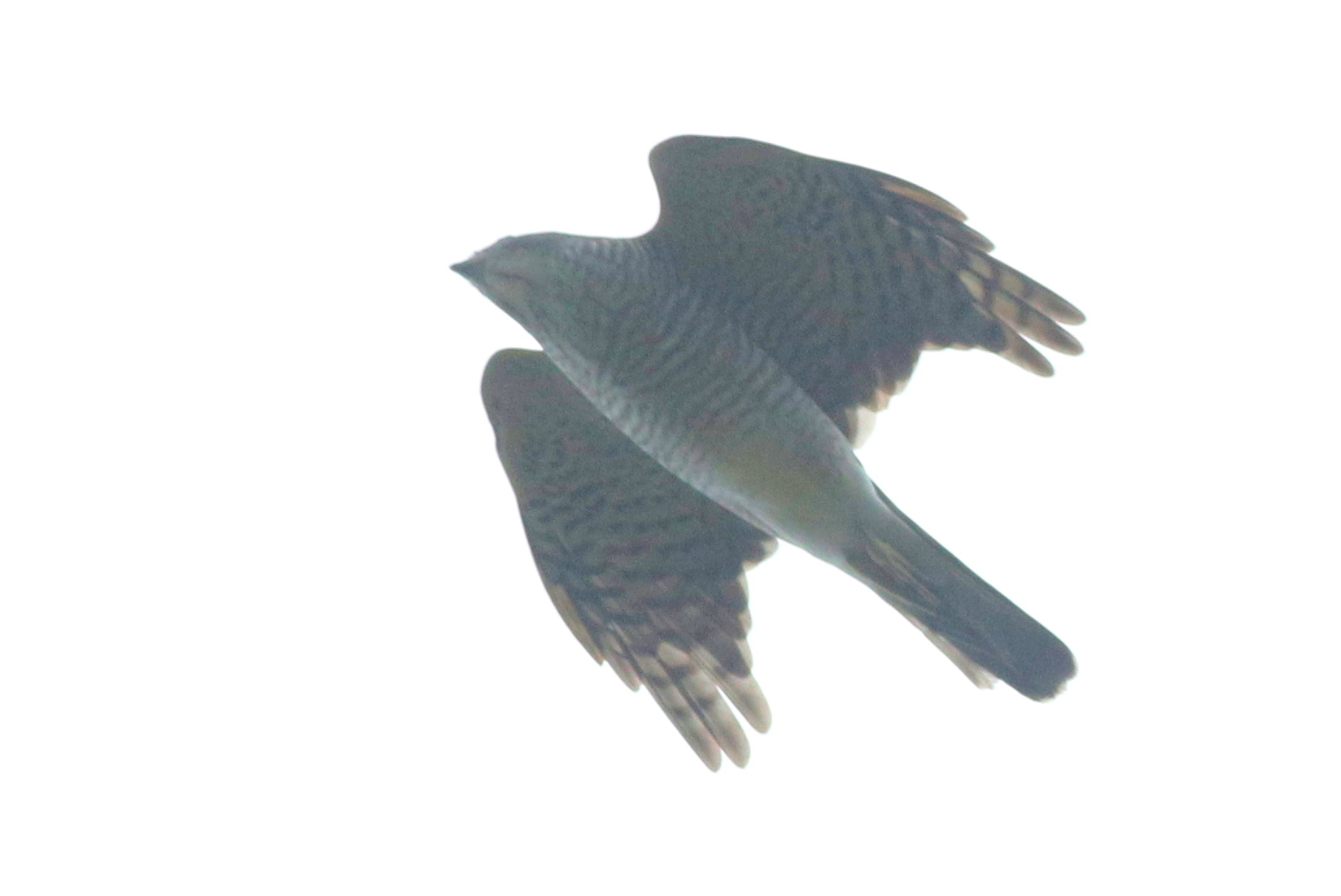
Japanese Sparrowhawk (Tachyspiza gularis) Japanese Sparrowhawk

Media

Loading…

In short

The Grey-faced Buzzard and Japanese Sparrowhawk can be differentiated primarily by size and structure. The Grey-faced Buzzard is larger and more robust, while the Japanese Sparrowhawk is smaller and more agile. Both species have similar plumage tones, but their flight patterns and habitats can help in identification.

Identification tips

  1. Size and Structure: Note the larger size and bulkier build of the Grey-faced Buzzard. 2. Flight Pattern: Observe the soaring, steady flight of the Grey-faced Buzzard versus the agile, rapid flight of the Japanese Sparrowhawk. 3. Habitat: Consider the surrounding habitat; open areas suggest Grey-faced Buzzard, while dense forests suggest Japanese Sparrowhawk. 4. Facial Markings: Look for the more pronounced grey face of the Grey-faced Buzzard.

Size

The Grey-faced Buzzard is noticeably larger and bulkier compared to the smaller, more slender Japanese Sparrowhawk.

Plumage

Both species exhibit similar grey and brown tones, but the Grey-faced Buzzard has a more pronounced grey face and a broader, more rounded wing shape in flight.

Behaviour

The Grey-faced Buzzard tends to soar with steady wingbeats, whereas the Japanese Sparrowhawk is more likely to exhibit rapid, agile flight and quick turns.

Habitat

Grey-faced Buzzards are often found in open woodlands and fields, while Japanese Sparrowhawks prefer dense forests and wooded areas.

Voice

Vocalizations are not a primary distinguishing feature in the field, but the Japanese Sparrowhawk may have a sharper, more rapid call compared to the Grey-faced Buzzard.

Submit a better description

Use the same sections as the comparison. Your text is published immediately.

The Grey-faced Buzzard and Japanese Sparrowhawk can be differentiated primarily by size and structure. The Grey-faced Buzzard is larger and more robust, while the Japanese Sparrowhawk is smaller and more agile. Both species have similar plumage tones, but their flight patterns and habitats can help in identification.

  1. Size and Structure: Note the larger size and bulkier build of the Grey-faced Buzzard. 2. Flight Pattern: Observe the soaring, steady flight of the Grey-faced Buzzard versus the agile, rapid flight of the Japanese Sparrowhawk. 3. Habitat: Consider the surrounding habitat; open areas suggest Grey-faced Buzzard, while dense forests suggest Japanese Sparrowhawk. 4. Facial Markings: Look for the more pronounced grey face of the Grey-faced Buzzard.

The Grey-faced Buzzard is noticeably larger and bulkier compared to the smaller, more slender Japanese Sparrowhawk.

Both species exhibit similar grey and brown tones, but the Grey-faced Buzzard has a more pronounced grey face and a broader, more rounded wing shape in flight.

The Grey-faced Buzzard tends to soar with steady wingbeats, whereas the Japanese Sparrowhawk is more likely to exhibit rapid, agile flight and quick turns.

Grey-faced Buzzards are often found in open woodlands and fields, while Japanese Sparrowhawks prefer dense forests and wooded areas.

Vocalizations are not a primary distinguishing feature in the field, but the Japanese Sparrowhawk may have a sharper, more rapid call compared to the Grey-faced Buzzard.

Discard your changes?

You have unsaved edits. If you leave now, those changes will be lost.

Grey-faced Buzzard · Japanese Sparrowhawk · My Tricky Birds