Birdr

Grey Heron vs Glossy Ibis

Ardea cinerea versus Plegadis falcinellus

Play a quiz with Grey Heron and Glossy Ibis
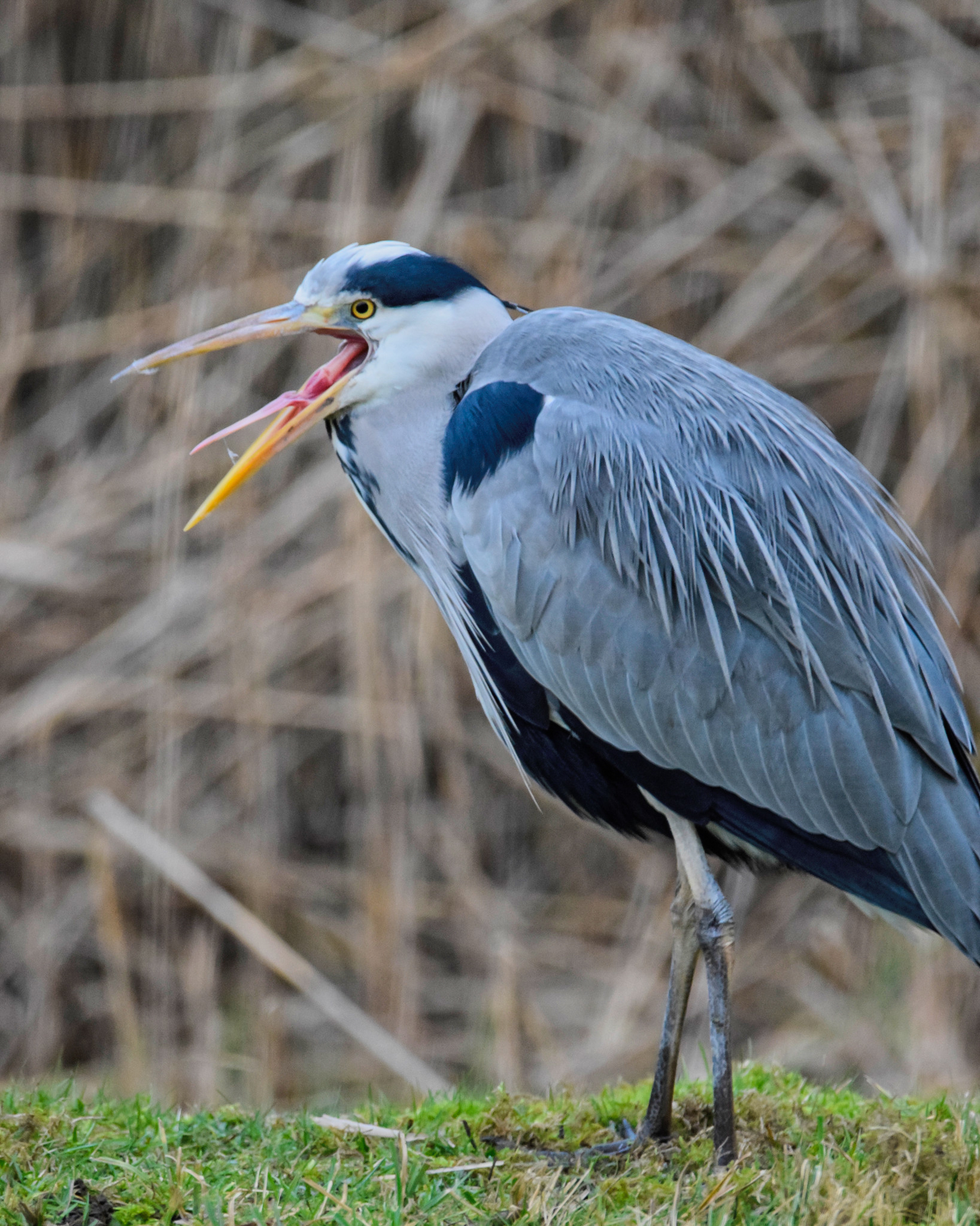
Grey Heron (Ardea cinerea) Grey Heron
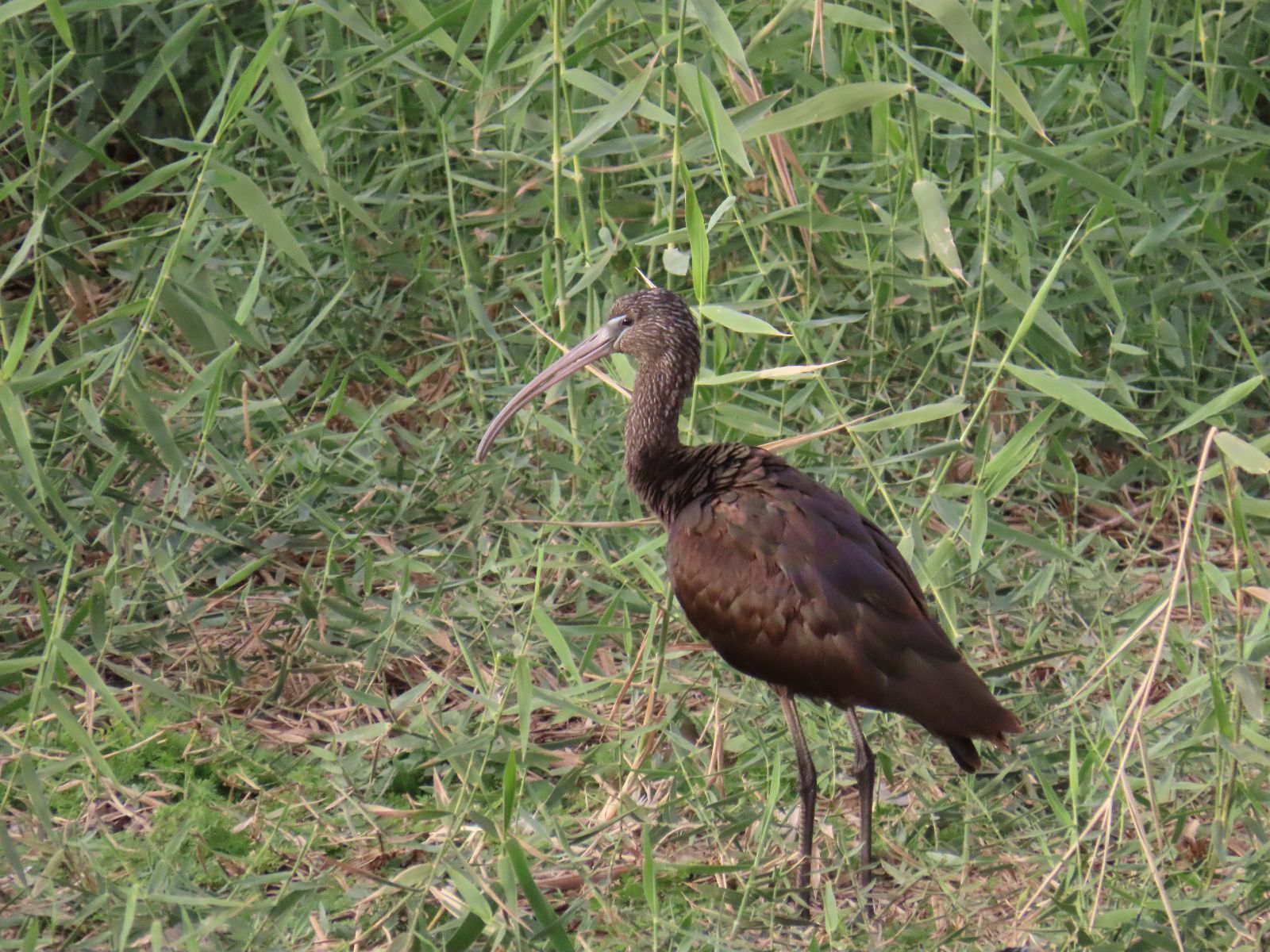
Glossy Ibis (Plegadis falcinellus) Glossy Ibis

Media

Loading…

In short

The Grey Heron (Ardea cinerea) and Glossy Ibis (Plegadis falcinellus) can be distinguished primarily by their bill shape and plumage. The Grey Heron has a long, straight, dagger-like bill, while the Glossy Ibis features a long, decurved bill. In terms of plumage, the Grey Heron is predominantly gray with a white head and black supercilium, whereas the Glossy Ibis has a metallic bronze plumage with a green tinge.

Identification tips

  1. Bill Shape: Look for the straight, dagger-like bill of the Grey Heron versus the decurved bill of the Glossy Ibis. 2. Size: Note the larger size and bulkier appearance of the Grey Heron. 3. Plumage: Observe the gray and white plumage with black supercilium on the Grey Heron compared to the metallic bronze and green sheen of the Glossy Ibis. 4. Behavior: Watch for the Grey Heron's motionless hunting stance versus the probing behavior of the Glossy Ibis.

Size

The Grey Heron is significantly larger than the Glossy Ibis, with a more robust build and longer legs.

Plumage

The Grey Heron exhibits slate gray to blue dorsal plumage with a white head and neck, featuring a black supercilium, while the Glossy Ibis is metallic bronze with a green tinge, lacking the contrasting head pattern.

Behaviour

The Grey Heron is an ambush predator, often standing motionless at the water's edge, whereas the Glossy Ibis is a tactile forager, probing the substrate with its bill.

Habitat

Both species can be found in wetland habitats, but the Grey Heron is more versatile, inhabiting a range of environments from urban areas to marine zones. The Glossy Ibis prefers inland wetlands and occasionally coastal lagoons.

Submit a better description

Use the same sections as the comparison. Your text is published immediately.

The Grey Heron (Ardea cinerea) and Glossy Ibis (Plegadis falcinellus) can be distinguished primarily by their bill shape and plumage. The Grey Heron has a long, straight, dagger-like bill, while the Glossy Ibis features a long, decurved bill. In terms of plumage, the Grey Heron is predominantly gray with a white head and black supercilium, whereas the Glossy Ibis has a metallic bronze plumage with a green tinge.

  1. Bill Shape: Look for the straight, dagger-like bill of the Grey Heron versus the decurved bill of the Glossy Ibis. 2. Size: Note the larger size and bulkier appearance of the Grey Heron. 3. Plumage: Observe the gray and white plumage with black supercilium on the Grey Heron compared to the metallic bronze and green sheen of the Glossy Ibis. 4. Behavior: Watch for the Grey Heron's motionless hunting stance versus the probing behavior of the Glossy Ibis.

The Grey Heron is significantly larger than the Glossy Ibis, with a more robust build and longer legs.

The Grey Heron exhibits slate gray to blue dorsal plumage with a white head and neck, featuring a black supercilium, while the Glossy Ibis is metallic bronze with a green tinge, lacking the contrasting head pattern.

The Grey Heron is an ambush predator, often standing motionless at the water's edge, whereas the Glossy Ibis is a tactile forager, probing the substrate with its bill.

Both species can be found in wetland habitats, but the Grey Heron is more versatile, inhabiting a range of environments from urban areas to marine zones. The Glossy Ibis prefers inland wetlands and occasionally coastal lagoons.

Discard your changes?

You have unsaved edits. If you leave now, those changes will be lost.

Grey Heron · Glossy Ibis · My Tricky Birds