Birdr

Grey Junglefowl vs Pallas's Sandgrouse

Gallus sonneratii versus Syrrhaptes paradoxus

Play a quiz with Grey Junglefowl and Pallas's Sandgrouse
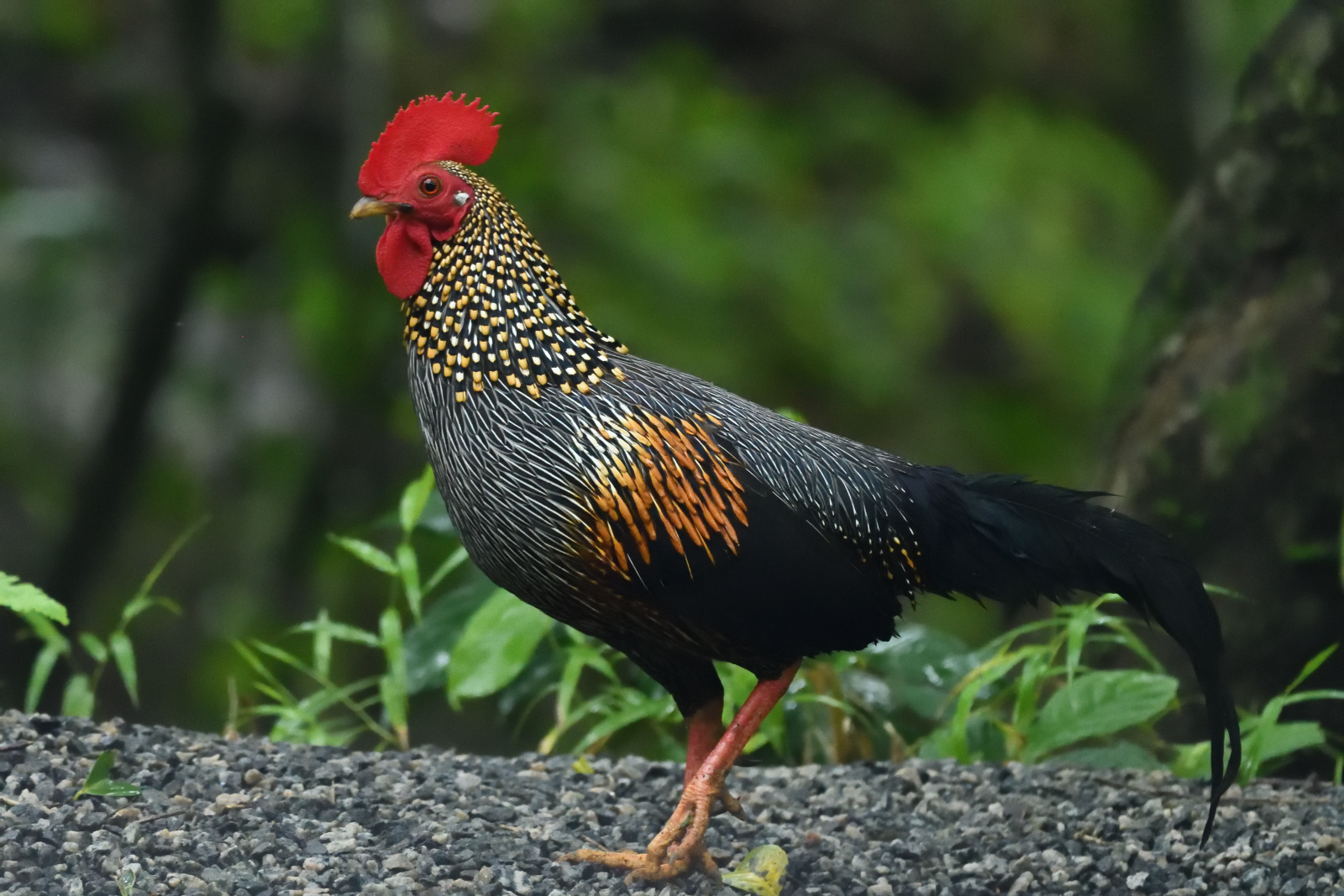
Grey Junglefowl (Gallus sonneratii) Grey Junglefowl
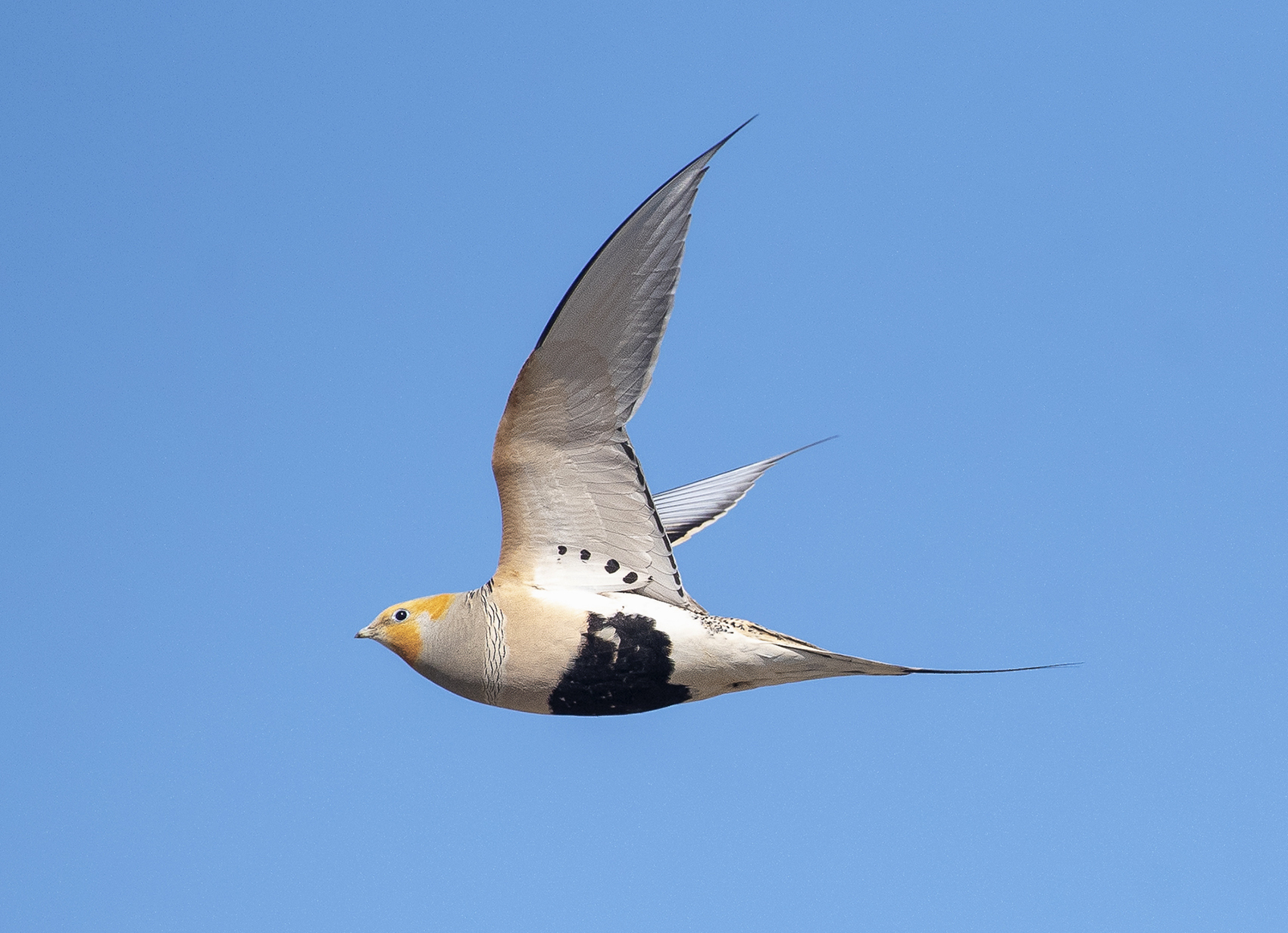
Pallas's Sandgrouse (Syrrhaptes paradoxus) Pallas's Sandgrouse

Media

Loading…

In short

The Grey Junglefowl and Pallas's Sandgrouse are easily distinguished by their habitat preferences and body structure. Grey Junglefowl are ground-dwelling birds found in forested areas, while Pallas's Sandgrouse inhabit open, arid regions. Their plumage and behavior also differ significantly.

Identification tips

1. Habitat: Observe the environment; Grey Junglefowl are in forests, Pallas's Sandgrouse in open, arid areas. 2. Structure: Note body shape; Junglefowl are chicken-like, Sandgrouse are more streamlined. 3. Plumage: Look for bright colors and red facial features in Junglefowl, versus sandy, camouflaged tones in Sandgrouse. 4. Behavior: Watch for ground foraging in Junglefowl and long flights in Sandgrouse. 5. Calls: Listen for crowing in Junglefowl and soft cooing in Sandgrouse.

Size

Grey Junglefowl are larger and more robust, resembling domestic chickens, whereas Pallas's Sandgrouse are more compact and streamlined.

Plumage

Grey Junglefowl have striking, colorful plumage with a mix of grey, black, and orange, and a distinctive red comb and wattles. Pallas's Sandgrouse have more muted, sandy tones with intricate patterns that provide camouflage in their desert habitats.

Behaviour

Grey Junglefowl are often seen foraging on the forest floor, while Pallas's Sandgrouse are known for their long-distance flights to water sources and their unique drinking behavior.

Habitat

Grey Junglefowl inhabit dense forests and scrublands in India, while Pallas's Sandgrouse are found in open, arid steppes and deserts across Central Asia.

Voice

Grey Junglefowl have a loud, crowing call similar to domestic chickens, whereas Pallas's Sandgrouse produce soft, cooing calls, often heard during flight.

Submit a better description

Use the same sections as the comparison. Your text is published immediately.

The Grey Junglefowl and Pallas's Sandgrouse are easily distinguished by their habitat preferences and body structure. Grey Junglefowl are ground-dwelling birds found in forested areas, while Pallas's Sandgrouse inhabit open, arid regions. Their plumage and behavior also differ significantly.

1. Habitat: Observe the environment; Grey Junglefowl are in forests, Pallas's Sandgrouse in open, arid areas. 2. Structure: Note body shape; Junglefowl are chicken-like, Sandgrouse are more streamlined. 3. Plumage: Look for bright colors and red facial features in Junglefowl, versus sandy, camouflaged tones in Sandgrouse. 4. Behavior: Watch for ground foraging in Junglefowl and long flights in Sandgrouse. 5. Calls: Listen for crowing in Junglefowl and soft cooing in Sandgrouse.

Grey Junglefowl are larger and more robust, resembling domestic chickens, whereas Pallas's Sandgrouse are more compact and streamlined.

Grey Junglefowl have striking, colorful plumage with a mix of grey, black, and orange, and a distinctive red comb and wattles. Pallas's Sandgrouse have more muted, sandy tones with intricate patterns that provide camouflage in their desert habitats.

Grey Junglefowl are often seen foraging on the forest floor, while Pallas's Sandgrouse are known for their long-distance flights to water sources and their unique drinking behavior.

Grey Junglefowl inhabit dense forests and scrublands in India, while Pallas's Sandgrouse are found in open, arid steppes and deserts across Central Asia.

Grey Junglefowl have a loud, crowing call similar to domestic chickens, whereas Pallas's Sandgrouse produce soft, cooing calls, often heard during flight.

Discard your changes?

You have unsaved edits. If you leave now, those changes will be lost.

Grey Junglefowl · Pallas's Sandgrouse · My Tricky Birds