Birdr

Grey Partridge vs Upland Sandpiper

Perdix perdix versus Bartramia longicauda

Play a quiz with Grey Partridge and Upland Sandpiper
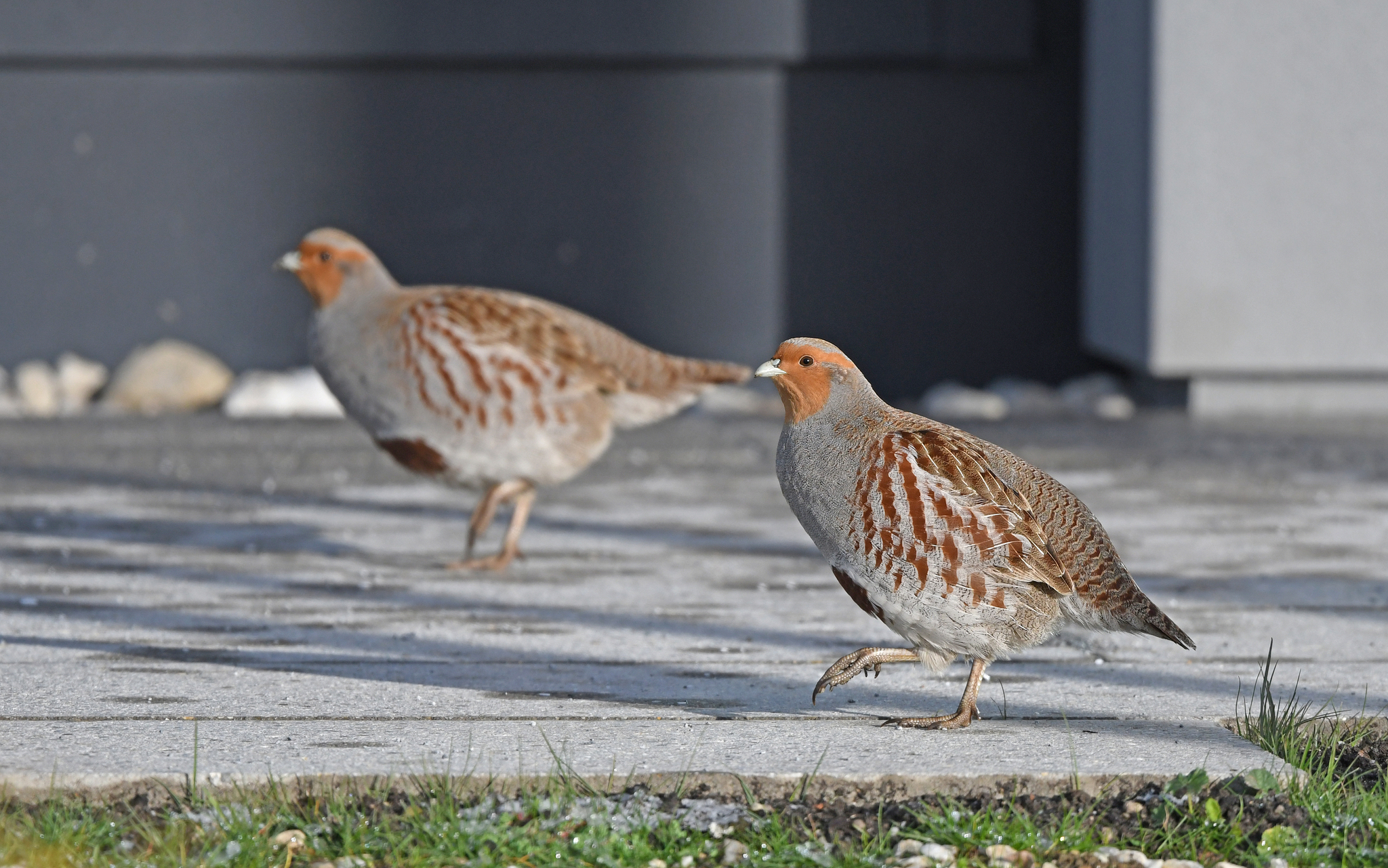
Grey Partridge (Perdix perdix) Grey Partridge
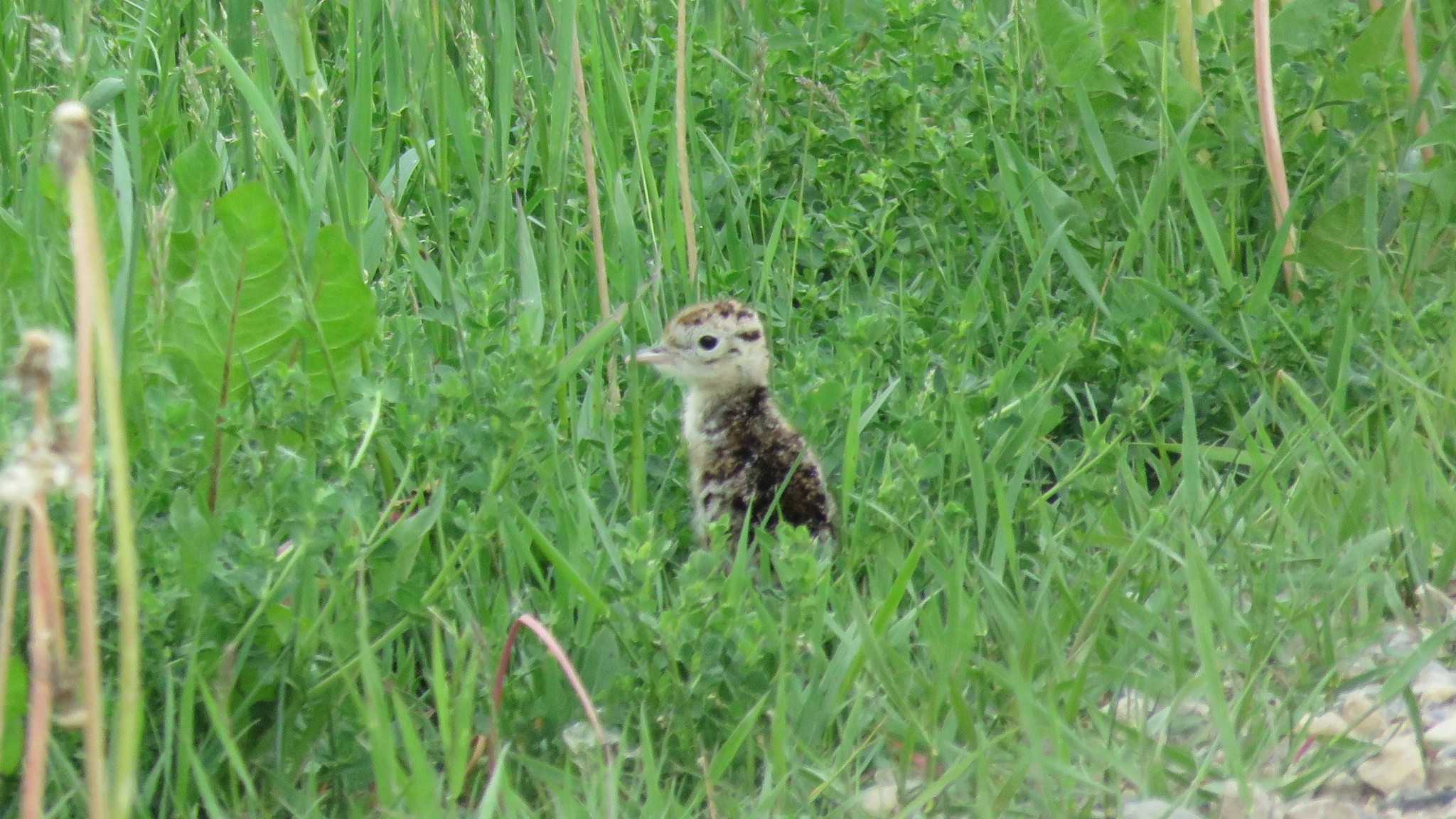
Upland Sandpiper (Bartramia longicauda) Upland Sandpiper

Media

Loading…

In short

The Grey Partridge and Upland Sandpiper are easily distinguished by their structure and habitat preferences. The Grey Partridge is a stocky, ground-dwelling bird typical of open farmlands, while the Upland Sandpiper is a slender, long-legged shorebird often found in grasslands and open fields.

Identification tips

  1. Structure: Look for the Grey Partridge's compact body and short legs versus the Upland Sandpiper's long legs and slender build. 2. Habitat: Grey Partridge is more likely in agricultural fields, while Upland Sandpiper prefers open grasslands. 3. Vocalization: Listen for the Grey Partridge's harsh call or the Upland Sandpiper's melodious whistle. 4. Plumage: Note the chestnut face of the Grey Partridge compared to the streaked appearance and pale face of the Upland Sandpiper.

Size

The Grey Partridge is more compact and robust, while the Upland Sandpiper is taller and more slender with longer legs.

Plumage

Grey Partridge has a mottled brown and grey plumage with a distinctive chestnut face and throat. Upland Sandpiper is brown with a streaked appearance, and has a pale face with a white eye-ring.

Behaviour

Grey Partridge is often seen in small groups on the ground, while Upland Sandpiper is more solitary and may be seen perched on fence posts or flying with a distinctive fluttering flight.

Habitat

Grey Partridge prefers open farmlands and grasslands, whereas Upland Sandpiper is found in grasslands, fields, and occasionally on airfields.

Voice

The Grey Partridge has a harsh, grating call, while the Upland Sandpiper is known for its distinctive, melodious 'wolf-whistle' call.

Submit a better description

Use the same sections as the comparison. Your text is published immediately.

The Grey Partridge and Upland Sandpiper are easily distinguished by their structure and habitat preferences. The Grey Partridge is a stocky, ground-dwelling bird typical of open farmlands, while the Upland Sandpiper is a slender, long-legged shorebird often found in grasslands and open fields.

  1. Structure: Look for the Grey Partridge's compact body and short legs versus the Upland Sandpiper's long legs and slender build. 2. Habitat: Grey Partridge is more likely in agricultural fields, while Upland Sandpiper prefers open grasslands. 3. Vocalization: Listen for the Grey Partridge's harsh call or the Upland Sandpiper's melodious whistle. 4. Plumage: Note the chestnut face of the Grey Partridge compared to the streaked appearance and pale face of the Upland Sandpiper.

The Grey Partridge is more compact and robust, while the Upland Sandpiper is taller and more slender with longer legs.

Grey Partridge has a mottled brown and grey plumage with a distinctive chestnut face and throat. Upland Sandpiper is brown with a streaked appearance, and has a pale face with a white eye-ring.

Grey Partridge is often seen in small groups on the ground, while Upland Sandpiper is more solitary and may be seen perched on fence posts or flying with a distinctive fluttering flight.

Grey Partridge prefers open farmlands and grasslands, whereas Upland Sandpiper is found in grasslands, fields, and occasionally on airfields.

The Grey Partridge has a harsh, grating call, while the Upland Sandpiper is known for its distinctive, melodious 'wolf-whistle' call.

Discard your changes?

You have unsaved edits. If you leave now, those changes will be lost.

Grey Partridge · Upland Sandpiper · My Tricky Birds