Birdr

Greylag Goose vs White Stork

Anser anser versus Ciconia ciconia

Play a quiz with Greylag Goose and White Stork
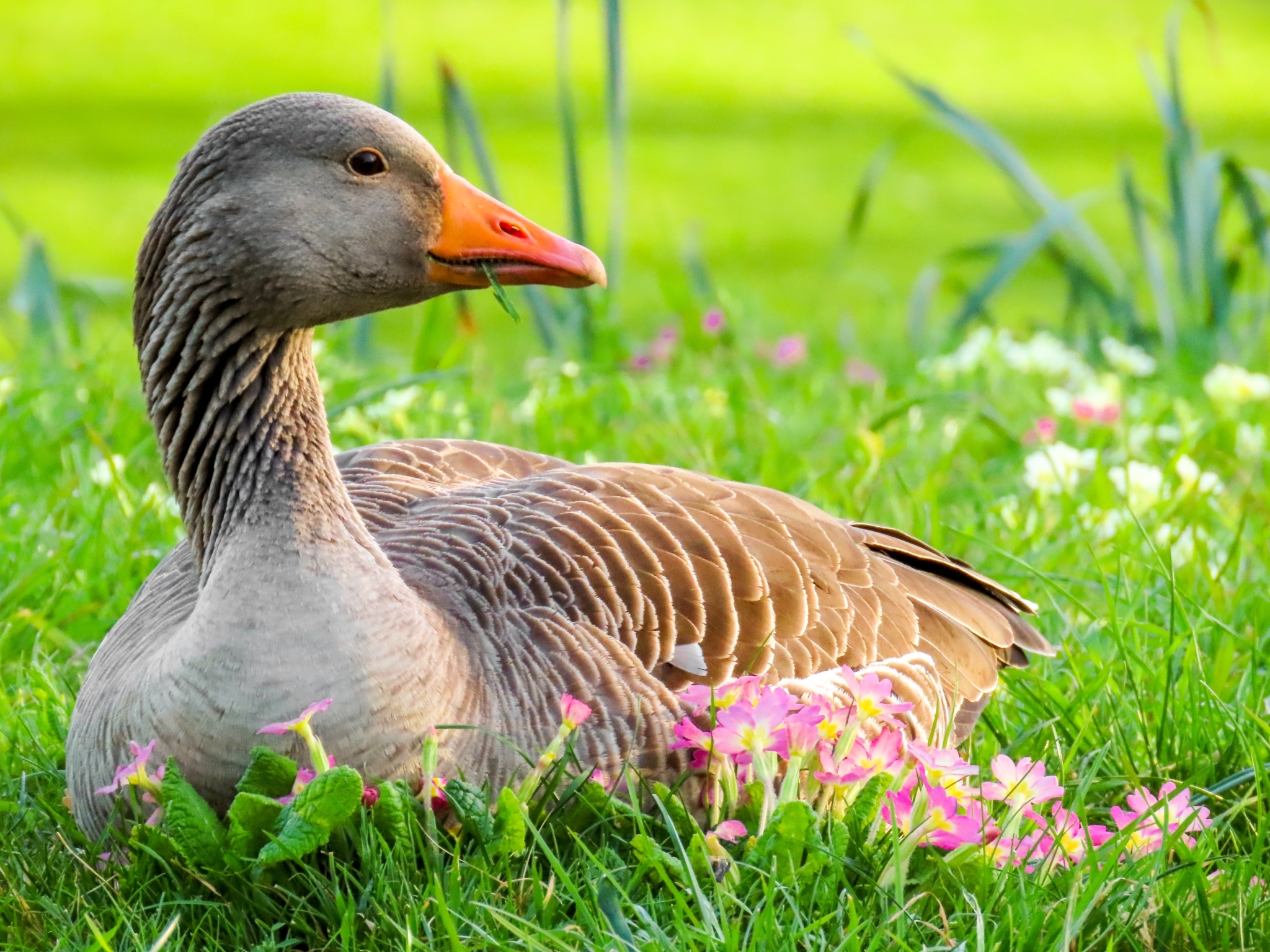
Greylag Goose (Anser anser) Greylag Goose
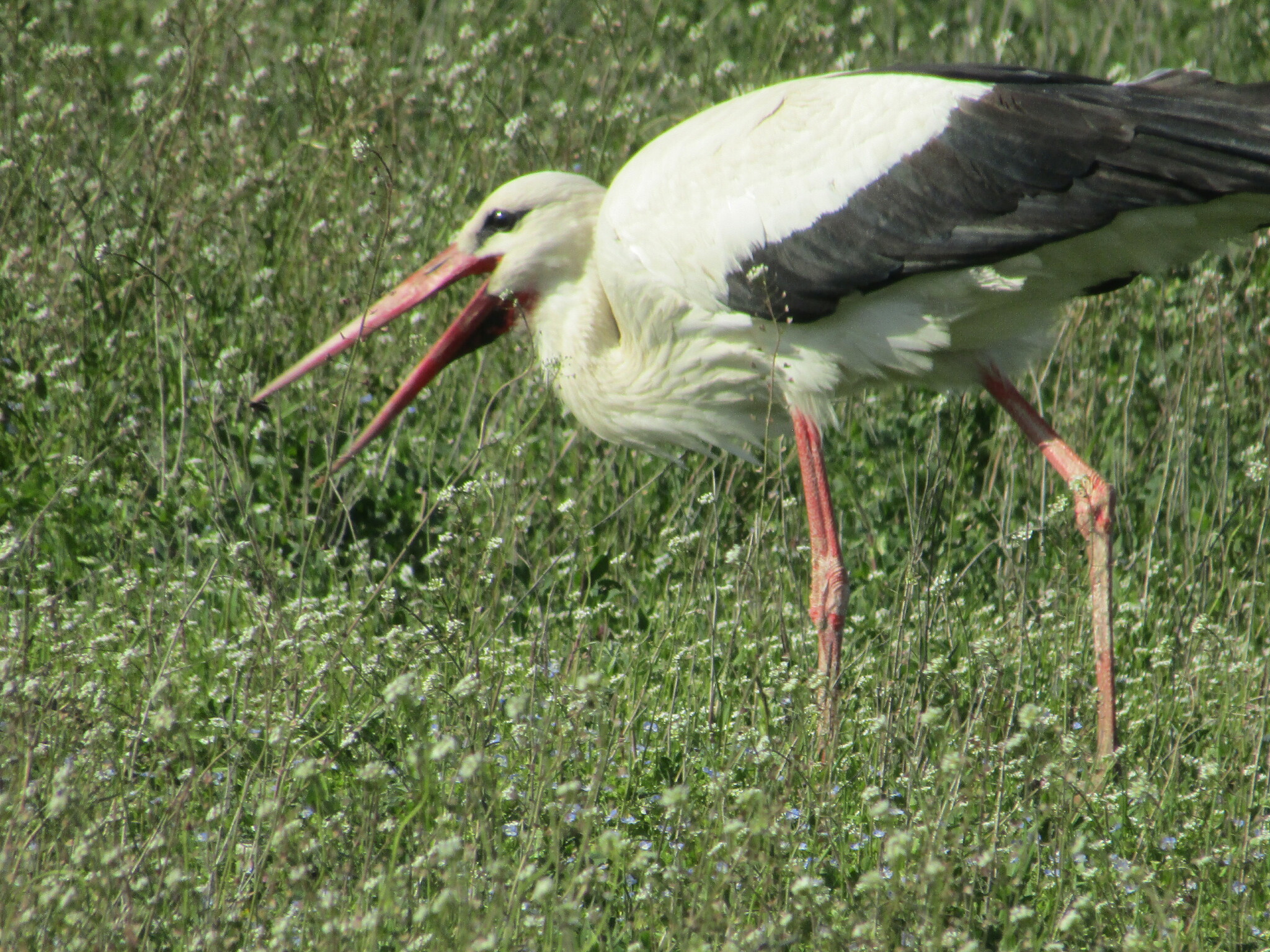
White Stork (Ciconia ciconia) White Stork

Media

Loading…

In short

The Greylag Goose and White Stork are easily distinguished by size and structure: the goose is a bulky waterfowl with a stout bill, while the stork is a tall, slender bird with a long neck and legs. They differ greatly in habitat preference, with geese favoring wetlands and storks often seen in open fields or near water bodies.

Identification tips

1. Structure: Look for the goose's stout body and short neck versus the stork's long legs and neck. 2. Bill: The goose has a pinkish-orange bill, while the stork's bill is long and red. 3. Plumage: Note the gray body of the goose compared to the stork's white body with black wings. 4. Habitat: Observe the surroundings; geese are more likely in wetland areas, storks in open fields. 5. Behavior: Geese are often in groups, storks more solitary or in pairs.

Size

The Greylag Goose is smaller and more compact, whereas the White Stork is larger, taller, and more slender.

Plumage

Greylag Geese have a mostly gray body with a pinkish-orange bill, while White Storks are predominantly white with black flight feathers and a long red bill.

Behaviour

Greylag Geese are often seen in flocks on water or grazing on land, while White Storks are typically solitary or in pairs, often seen walking in fields or standing in shallow water.

Habitat

Greylag Geese prefer freshwater wetlands, lakes, and marshes. White Storks are found in open fields, meadows, and near water bodies, often nesting on tall structures.

Voice

Greylag Geese are vocal, with loud honking calls. White Storks are generally silent but known for bill-clattering during courtship.

Submit a better description

Use the same sections as the comparison. Your text is published immediately.

The Greylag Goose and White Stork are easily distinguished by size and structure: the goose is a bulky waterfowl with a stout bill, while the stork is a tall, slender bird with a long neck and legs. They differ greatly in habitat preference, with geese favoring wetlands and storks often seen in open fields or near water bodies.

1. Structure: Look for the goose's stout body and short neck versus the stork's long legs and neck. 2. Bill: The goose has a pinkish-orange bill, while the stork's bill is long and red. 3. Plumage: Note the gray body of the goose compared to the stork's white body with black wings. 4. Habitat: Observe the surroundings; geese are more likely in wetland areas, storks in open fields. 5. Behavior: Geese are often in groups, storks more solitary or in pairs.

The Greylag Goose is smaller and more compact, whereas the White Stork is larger, taller, and more slender.

Greylag Geese have a mostly gray body with a pinkish-orange bill, while White Storks are predominantly white with black flight feathers and a long red bill.

Greylag Geese are often seen in flocks on water or grazing on land, while White Storks are typically solitary or in pairs, often seen walking in fields or standing in shallow water.

Greylag Geese prefer freshwater wetlands, lakes, and marshes. White Storks are found in open fields, meadows, and near water bodies, often nesting on tall structures.

Greylag Geese are vocal, with loud honking calls. White Storks are generally silent but known for bill-clattering during courtship.

Discard your changes?

You have unsaved edits. If you leave now, those changes will be lost.

Greylag Goose · White Stork · My Tricky Birds