Birdr

Hooded Pitohui vs Purple-throated Sunbird

Pitohui dichrous versus Leptocoma sperata

Play a quiz with Hooded Pitohui and Purple-throated Sunbird
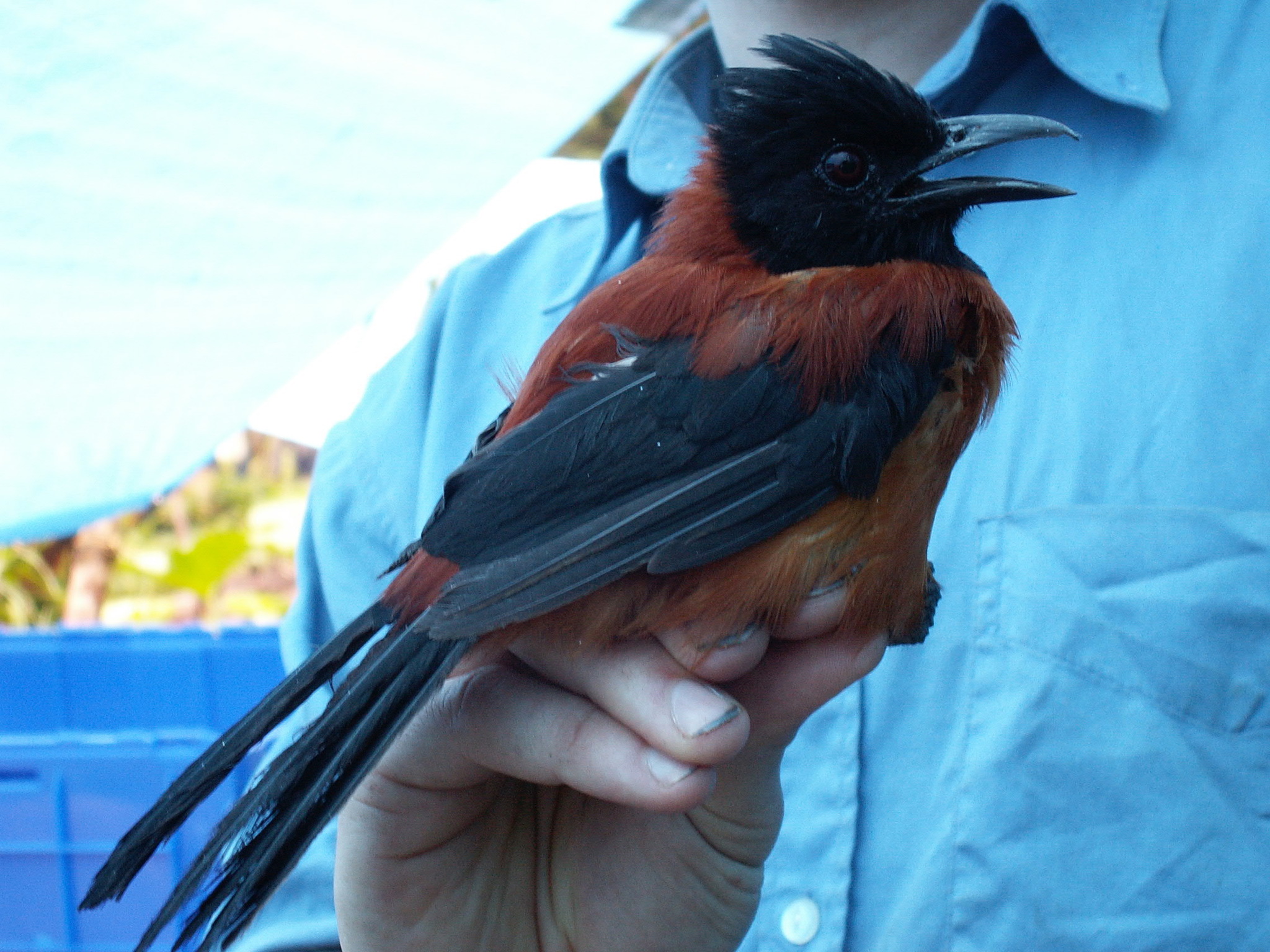
Hooded Pitohui (Pitohui dichrous) Hooded Pitohui
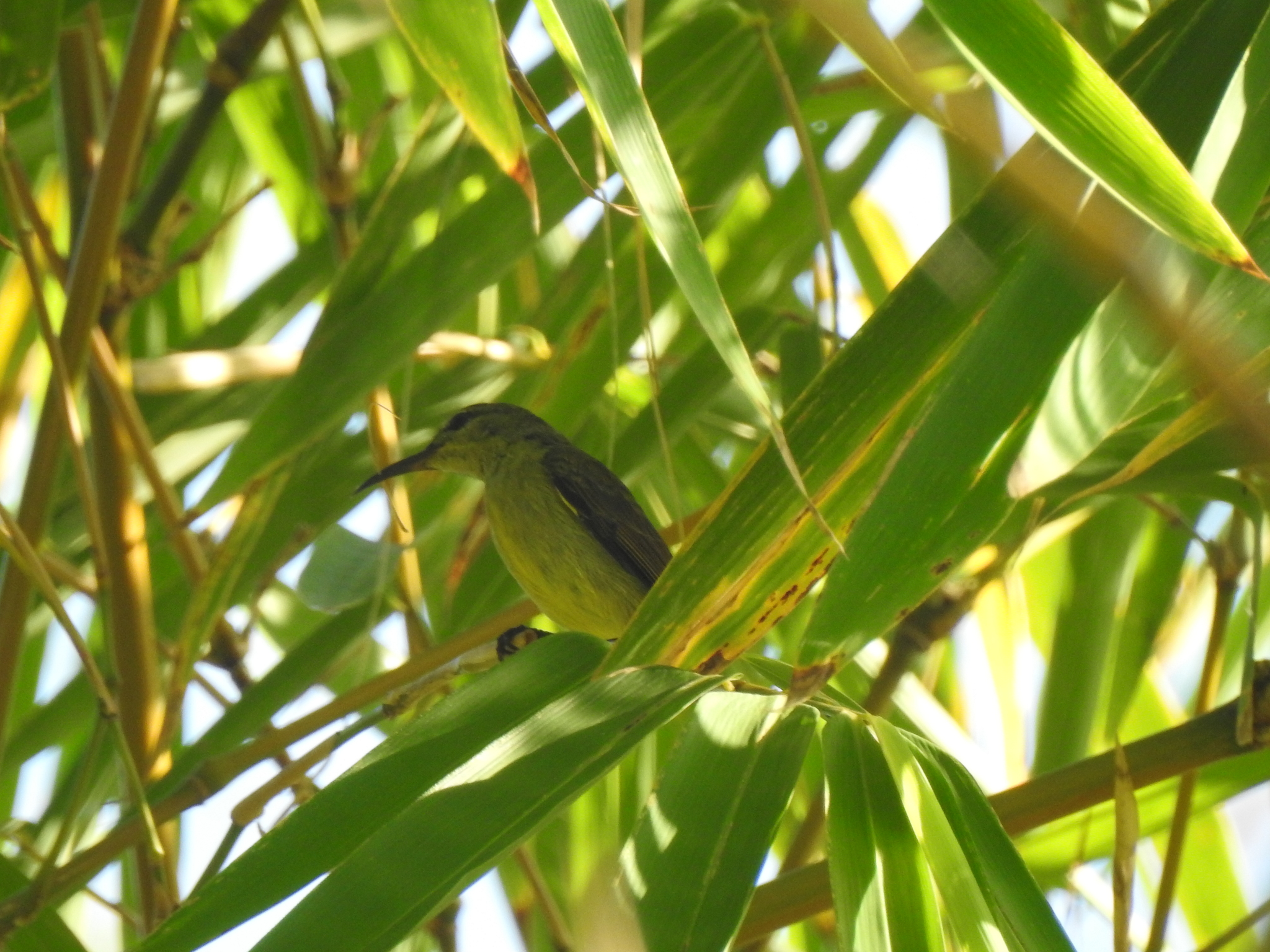
Purple-throated Sunbird (Leptocoma sperata) Purple-throated Sunbird

Media

Loading…

In short

The Hooded Pitohui and Purple-throated Sunbird are distinct in both appearance and habitat. The Pitohui is a larger, toxic bird with a striking orange and black plumage, while the Sunbird is smaller, with iridescent colors and a preference for nectar-rich environments.

Identification tips

  1. Size: Look for the larger size of the Hooded Pitohui. 2. Plumage: Note the orange and black colors of the Pitohui versus the iridescent, often purple-throated Sunbird. 3. Behavior: Observe feeding behavior; Sunbirds hover around flowers, while Pitohuis are more terrestrial. 4. Habitat: Consider the environment; Pitohuis are forest dwellers, while Sunbirds are more versatile in habitat choice.

Size

The Hooded Pitohui is larger than the Purple-throated Sunbird.

Plumage

The Hooded Pitohui has a distinctive orange and black plumage, while the Purple-throated Sunbird features iridescent colors, with males often showing a purple throat.

Behaviour

Hooded Pitohuis are known for their toxic skin and feathers, a defense mechanism against predators, while Purple-throated Sunbirds are active nectar feeders, often seen hovering around flowers.

Habitat

Hooded Pitohuis are typically found in lowland and hill forests of New Guinea, whereas Purple-throated Sunbirds inhabit a variety of habitats including gardens, forests, and mangroves in Southeast Asia.

Voice

The vocalizations of these species differ, with the Hooded Pitohui having a series of whistles and the Purple-throated Sunbird producing high-pitched, rapid calls.

Submit a better description

Use the same sections as the comparison. Your text is published immediately.

The Hooded Pitohui and Purple-throated Sunbird are distinct in both appearance and habitat. The Pitohui is a larger, toxic bird with a striking orange and black plumage, while the Sunbird is smaller, with iridescent colors and a preference for nectar-rich environments.

  1. Size: Look for the larger size of the Hooded Pitohui. 2. Plumage: Note the orange and black colors of the Pitohui versus the iridescent, often purple-throated Sunbird. 3. Behavior: Observe feeding behavior; Sunbirds hover around flowers, while Pitohuis are more terrestrial. 4. Habitat: Consider the environment; Pitohuis are forest dwellers, while Sunbirds are more versatile in habitat choice.

The Hooded Pitohui is larger than the Purple-throated Sunbird.

The Hooded Pitohui has a distinctive orange and black plumage, while the Purple-throated Sunbird features iridescent colors, with males often showing a purple throat.

Hooded Pitohuis are known for their toxic skin and feathers, a defense mechanism against predators, while Purple-throated Sunbirds are active nectar feeders, often seen hovering around flowers.

Hooded Pitohuis are typically found in lowland and hill forests of New Guinea, whereas Purple-throated Sunbirds inhabit a variety of habitats including gardens, forests, and mangroves in Southeast Asia.

The vocalizations of these species differ, with the Hooded Pitohui having a series of whistles and the Purple-throated Sunbird producing high-pitched, rapid calls.

Discard your changes?

You have unsaved edits. If you leave now, those changes will be lost.

Hooded Pitohui · Purple-throated Sunbird · My Tricky Birds