Birdr

Imperial Eagle vs White-eyed Buzzard

Aquila heliaca versus Butastur teesa

Play a quiz with Imperial Eagle and White-eyed Buzzard
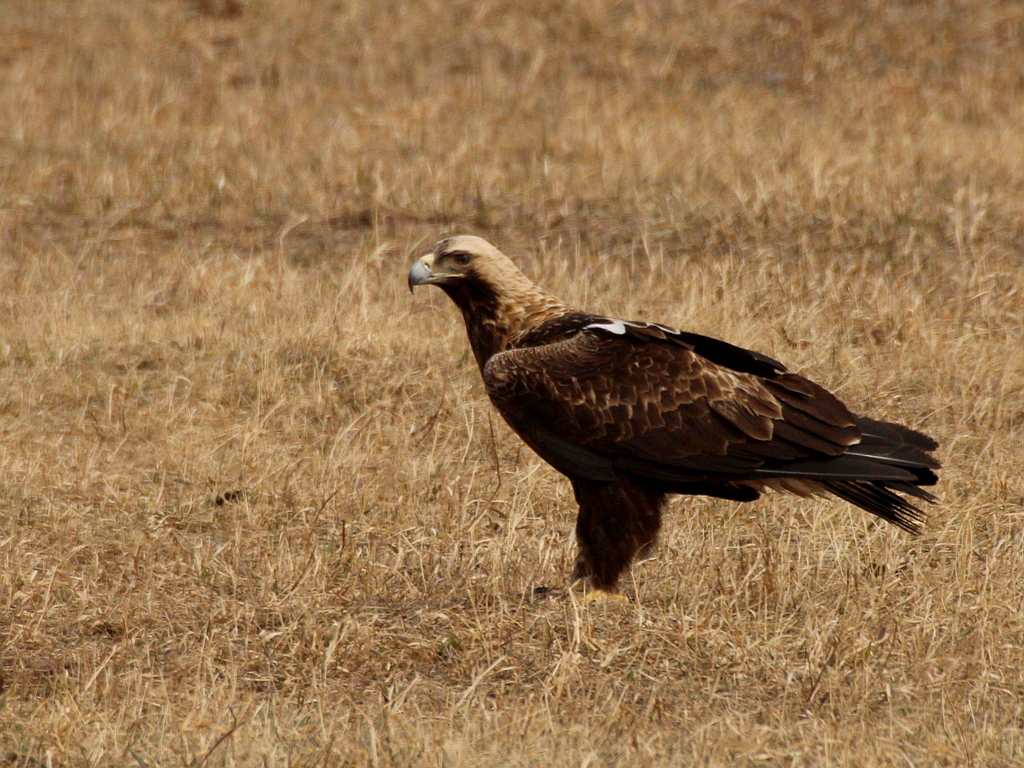
Imperial Eagle (Aquila heliaca) Imperial Eagle
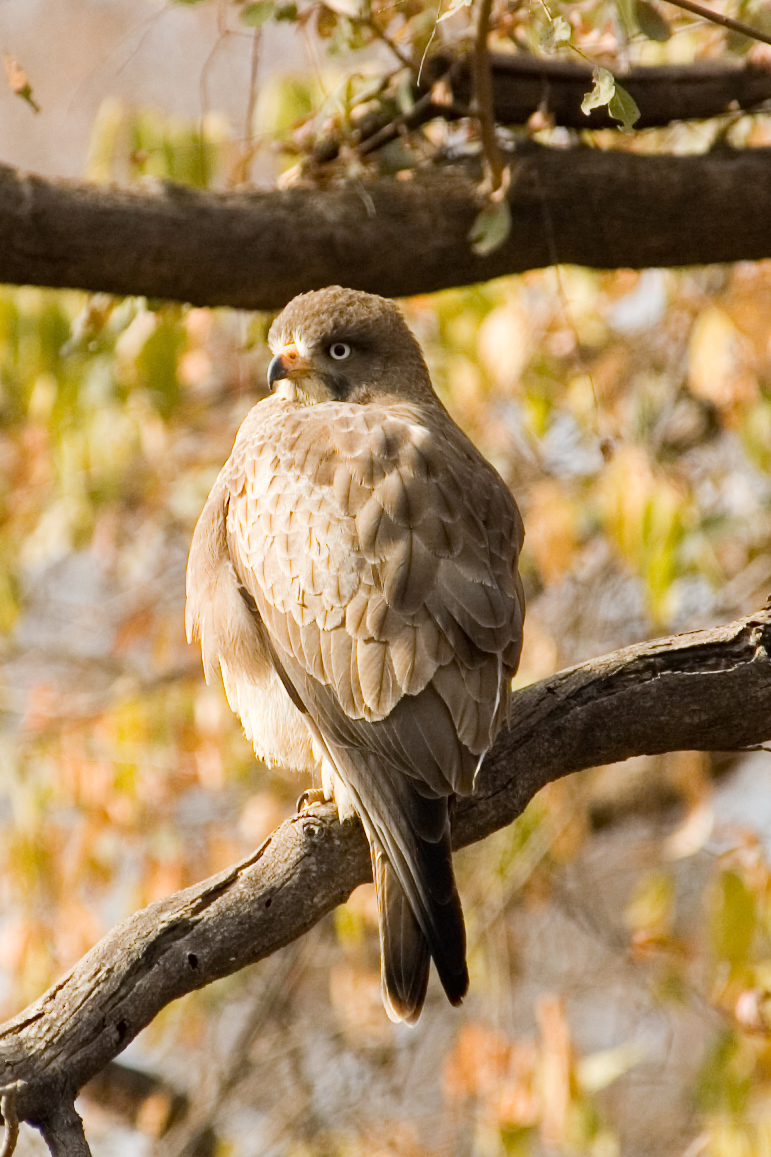
White-eyed Buzzard (Butastur teesa) White-eyed Buzzard

Media

Loading…

In short

The Imperial Eagle and White-eyed Buzzard can be distinguished primarily by size and structure. The Imperial Eagle is significantly larger and more robust, while the White-eyed Buzzard is smaller and more compact. Both species have different habitats and behaviors that can aid in identification.

Identification tips

1. Size and Structure: Look for the larger size and more robust build of the Imperial Eagle. 2. Plumage: Note the golden nape of the Imperial Eagle versus the white throat and rufous tail of the White-eyed Buzzard. 3. Eye Color: The White-eyed Buzzard's white iris is a distinctive feature. 4. Habitat: Consider the habitat; Imperial Eagles in open woodlands, White-eyed Buzzards in grasslands. 5. Behavior: Observe the soaring behavior of the eagle versus the perching behavior of the buzzard.

Size

The Imperial Eagle is much larger, with a wingspan that can reach up to 2 meters, whereas the White-eyed Buzzard is smaller, with a wingspan around 1 meter.

Plumage

Imperial Eagles have a dark brown plumage with a distinctive golden nape, while White-eyed Buzzards are generally lighter with a rufous tail and a white throat. The buzzard also has a characteristic white iris, which is a key distinguishing feature.

Behaviour

Imperial Eagles often soar at higher altitudes and are more likely to be seen in open landscapes. White-eyed Buzzards are more likely to be seen perched on trees or poles in open country.

Habitat

Imperial Eagles prefer open woodlands and steppe regions, while White-eyed Buzzards are typically found in open grasslands and agricultural areas.

Voice

Imperial Eagles have a high-pitched, whistling call, whereas White-eyed Buzzards have a more varied vocalization, often described as a plaintive whistle.

Submit a better description

Use the same sections as the comparison. Your text is published immediately.

The Imperial Eagle and White-eyed Buzzard can be distinguished primarily by size and structure. The Imperial Eagle is significantly larger and more robust, while the White-eyed Buzzard is smaller and more compact. Both species have different habitats and behaviors that can aid in identification.

1. Size and Structure: Look for the larger size and more robust build of the Imperial Eagle. 2. Plumage: Note the golden nape of the Imperial Eagle versus the white throat and rufous tail of the White-eyed Buzzard. 3. Eye Color: The White-eyed Buzzard's white iris is a distinctive feature. 4. Habitat: Consider the habitat; Imperial Eagles in open woodlands, White-eyed Buzzards in grasslands. 5. Behavior: Observe the soaring behavior of the eagle versus the perching behavior of the buzzard.

The Imperial Eagle is much larger, with a wingspan that can reach up to 2 meters, whereas the White-eyed Buzzard is smaller, with a wingspan around 1 meter.

Imperial Eagles have a dark brown plumage with a distinctive golden nape, while White-eyed Buzzards are generally lighter with a rufous tail and a white throat. The buzzard also has a characteristic white iris, which is a key distinguishing feature.

Imperial Eagles often soar at higher altitudes and are more likely to be seen in open landscapes. White-eyed Buzzards are more likely to be seen perched on trees or poles in open country.

Imperial Eagles prefer open woodlands and steppe regions, while White-eyed Buzzards are typically found in open grasslands and agricultural areas.

Imperial Eagles have a high-pitched, whistling call, whereas White-eyed Buzzards have a more varied vocalization, often described as a plaintive whistle.

Discard your changes?

You have unsaved edits. If you leave now, those changes will be lost.

Imperial Eagle · White-eyed Buzzard · My Tricky Birds