Birdr

Indian Grey Hornbill vs Zitting Cisticola

Ocyceros birostris versus Cisticola juncidis

Play a quiz with Indian Grey Hornbill and Zitting Cisticola
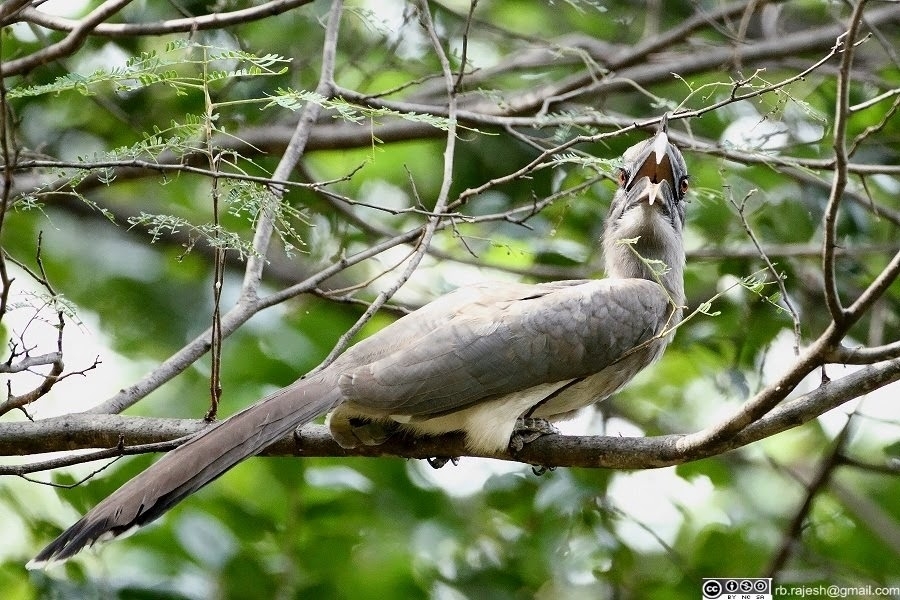
Indian Grey Hornbill (Ocyceros birostris) Indian Grey Hornbill
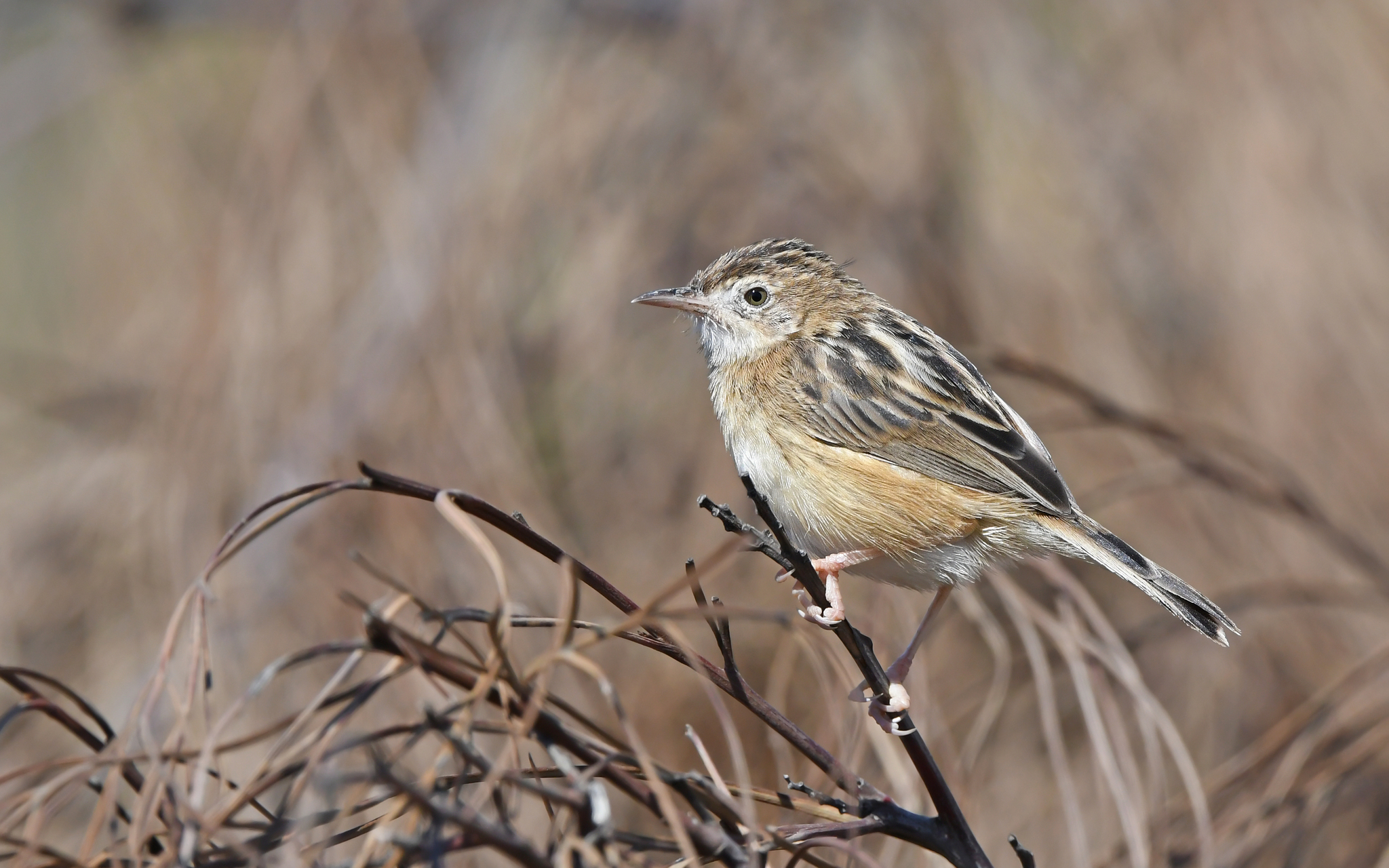
Zitting Cisticola (Cisticola juncidis) Zitting Cisticola

Media

Loading…

In short

The Indian Grey Hornbill and the Zitting Cisticola are vastly different in appearance and behavior, making them easy to distinguish. The hornbill is a large, grey bird with a prominent casque on its bill, while the cisticola is a small, streaked brown bird often found in grasslands. Their habitats and vocalizations also differ significantly.

Identification tips

  1. Size and Shape: Look for the large size and distinctive casque of the hornbill versus the small, sparrow-like size of the cisticola. 2. Habitat: Note the environment; hornbills are in wooded areas, cisticolas in grasslands. 3. Behavior: Observe the flight pattern; hornbills fly between trees, cisticolas hover over grass. 4. Vocalization: Listen for the hornbill's cackling versus the cisticola's 'zitting' song.

Size

The Indian Grey Hornbill is much larger, typically around 45-50 cm in length, whereas the Zitting Cisticola is a small bird, about 10-12 cm long.

Plumage

The hornbill has a grey body with a large, curved bill featuring a casque, while the cisticola is brown with streaked upperparts and a paler underside. The cisticola's plumage is more suited to camouflage in grasslands.

Behaviour

Hornbills are often seen flying between trees or perched high, while cisticolas are more likely to be observed flitting low over grasslands or perched on grass stems.

Habitat

Indian Grey Hornbills are typically found in urban areas, forests, and woodlands, whereas Zitting Cisticolas prefer open grasslands and fields.

Voice

The hornbill's call is a loud, cackling sound, while the cisticola is known for its repetitive, insect-like 'zitting' song, often given in flight.

Submit a better description

Use the same sections as the comparison. Your text is published immediately.

The Indian Grey Hornbill and the Zitting Cisticola are vastly different in appearance and behavior, making them easy to distinguish. The hornbill is a large, grey bird with a prominent casque on its bill, while the cisticola is a small, streaked brown bird often found in grasslands. Their habitats and vocalizations also differ significantly.

  1. Size and Shape: Look for the large size and distinctive casque of the hornbill versus the small, sparrow-like size of the cisticola. 2. Habitat: Note the environment; hornbills are in wooded areas, cisticolas in grasslands. 3. Behavior: Observe the flight pattern; hornbills fly between trees, cisticolas hover over grass. 4. Vocalization: Listen for the hornbill's cackling versus the cisticola's 'zitting' song.

The Indian Grey Hornbill is much larger, typically around 45-50 cm in length, whereas the Zitting Cisticola is a small bird, about 10-12 cm long.

The hornbill has a grey body with a large, curved bill featuring a casque, while the cisticola is brown with streaked upperparts and a paler underside. The cisticola's plumage is more suited to camouflage in grasslands.

Hornbills are often seen flying between trees or perched high, while cisticolas are more likely to be observed flitting low over grasslands or perched on grass stems.

Indian Grey Hornbills are typically found in urban areas, forests, and woodlands, whereas Zitting Cisticolas prefer open grasslands and fields.

The hornbill's call is a loud, cackling sound, while the cisticola is known for its repetitive, insect-like 'zitting' song, often given in flight.

Discard your changes?

You have unsaved edits. If you leave now, those changes will be lost.

Indian Grey Hornbill · Zitting Cisticola · My Tricky Birds