Birdr

Indian Pond Heron vs Two-barred Warbler

Ardeola grayii versus Phylloscopus plumbeitarsus

Play a quiz with Indian Pond Heron and Two-barred Warbler
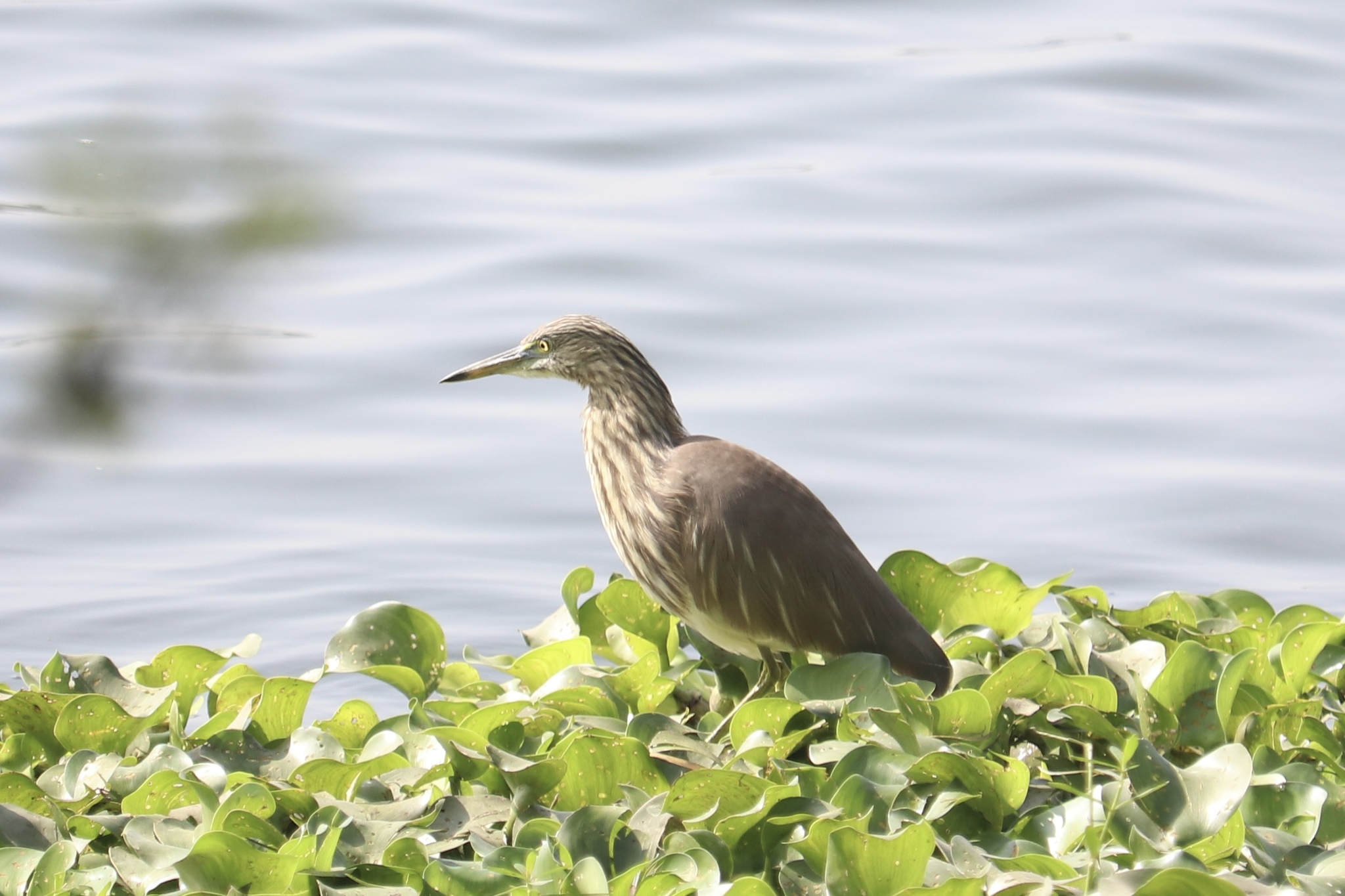
Indian Pond Heron (Ardeola grayii) Indian Pond Heron
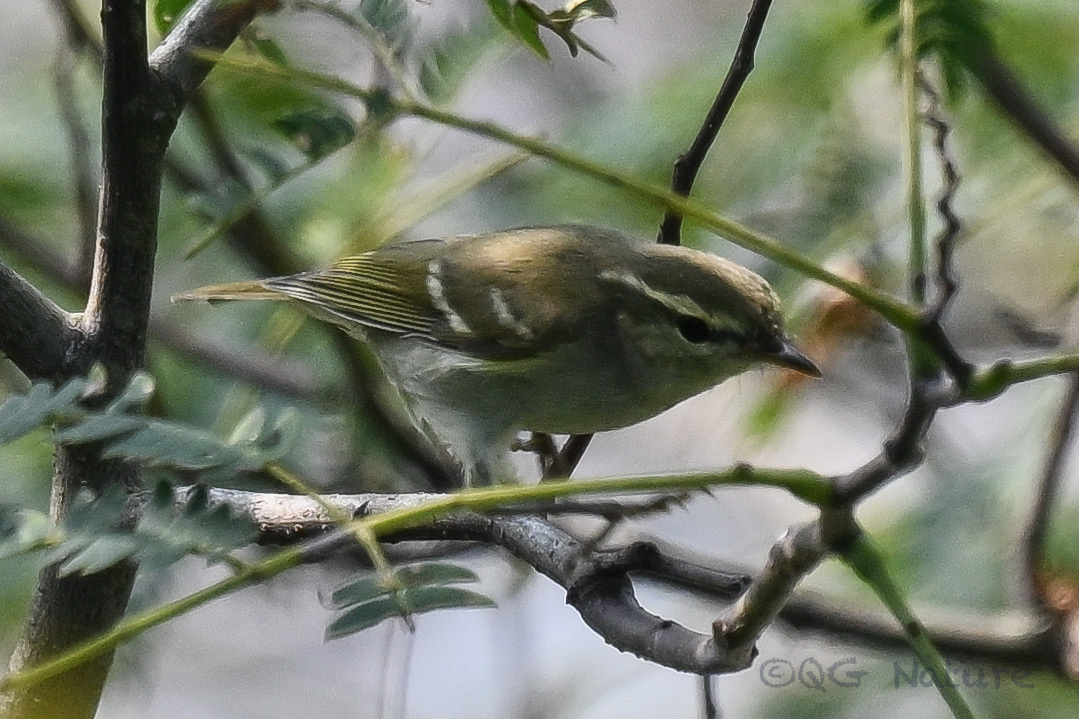
Two-barred Warbler (Phylloscopus plumbeitarsus) Two-barred Warbler

Media

Loading…

In short

The Indian Pond Heron and the Two-barred Warbler are easily distinguished by their size and habitat preferences. The heron is a larger, stocky waterbird, while the warbler is a small, agile songbird typically found in trees. Observing their behavior and habitat will quickly clarify any confusion.

Identification tips

1. Size and Shape: Look for the heron's larger size and stocky build compared to the small, delicate warbler. 2. Habitat: Check the surroundings; herons are near water, warblers in trees. 3. Behavior: Note the heron's slow, deliberate movements versus the warbler's quick, agile flitting. 4. Plumage: In breeding season, the heron's white wings contrast with its brown body, while the warbler shows two white wing bars year-round. 5. Vocalizations: Listen for the warbler's high-pitched calls if unsure.

Size

The Indian Pond Heron is significantly larger, about the size of a crow, whereas the Two-barred Warbler is small, similar in size to a sparrow.

Plumage

The Indian Pond Heron has a distinctive breeding plumage with white wings and a brown body, while the Two-barred Warbler is greenish with two white wing bars and a prominent supercilium. The heron's plumage changes seasonally, becoming more uniform brown in non-breeding periods.

Behaviour

Indian Pond Herons are often seen standing still or stalking prey in shallow water, while Two-barred Warblers are active, flitting through foliage in search of insects.

Habitat

Indian Pond Herons are found near water bodies like ponds and marshes, whereas Two-barred Warblers prefer forested areas, often in mixed or coniferous forests.

Voice

The Indian Pond Heron is generally silent, occasionally making harsh croaks, while the Two-barred Warbler has a distinctive, high-pitched song and calls, typical of leaf warblers.

Submit a better description

Use the same sections as the comparison. Your text is published immediately.

The Indian Pond Heron and the Two-barred Warbler are easily distinguished by their size and habitat preferences. The heron is a larger, stocky waterbird, while the warbler is a small, agile songbird typically found in trees. Observing their behavior and habitat will quickly clarify any confusion.

1. Size and Shape: Look for the heron's larger size and stocky build compared to the small, delicate warbler. 2. Habitat: Check the surroundings; herons are near water, warblers in trees. 3. Behavior: Note the heron's slow, deliberate movements versus the warbler's quick, agile flitting. 4. Plumage: In breeding season, the heron's white wings contrast with its brown body, while the warbler shows two white wing bars year-round. 5. Vocalizations: Listen for the warbler's high-pitched calls if unsure.

The Indian Pond Heron is significantly larger, about the size of a crow, whereas the Two-barred Warbler is small, similar in size to a sparrow.

The Indian Pond Heron has a distinctive breeding plumage with white wings and a brown body, while the Two-barred Warbler is greenish with two white wing bars and a prominent supercilium. The heron's plumage changes seasonally, becoming more uniform brown in non-breeding periods.

Indian Pond Herons are often seen standing still or stalking prey in shallow water, while Two-barred Warblers are active, flitting through foliage in search of insects.

Indian Pond Herons are found near water bodies like ponds and marshes, whereas Two-barred Warblers prefer forested areas, often in mixed or coniferous forests.

The Indian Pond Heron is generally silent, occasionally making harsh croaks, while the Two-barred Warbler has a distinctive, high-pitched song and calls, typical of leaf warblers.

Discard your changes?

You have unsaved edits. If you leave now, those changes will be lost.

Indian Pond Heron · Two-barred Warbler · My Tricky Birds