Birdr

Indian Scops Owl vs Oriental Scops Owl

Otus bakkamoena versus Otus sunia

Play a quiz with Indian Scops Owl and Oriental Scops Owl
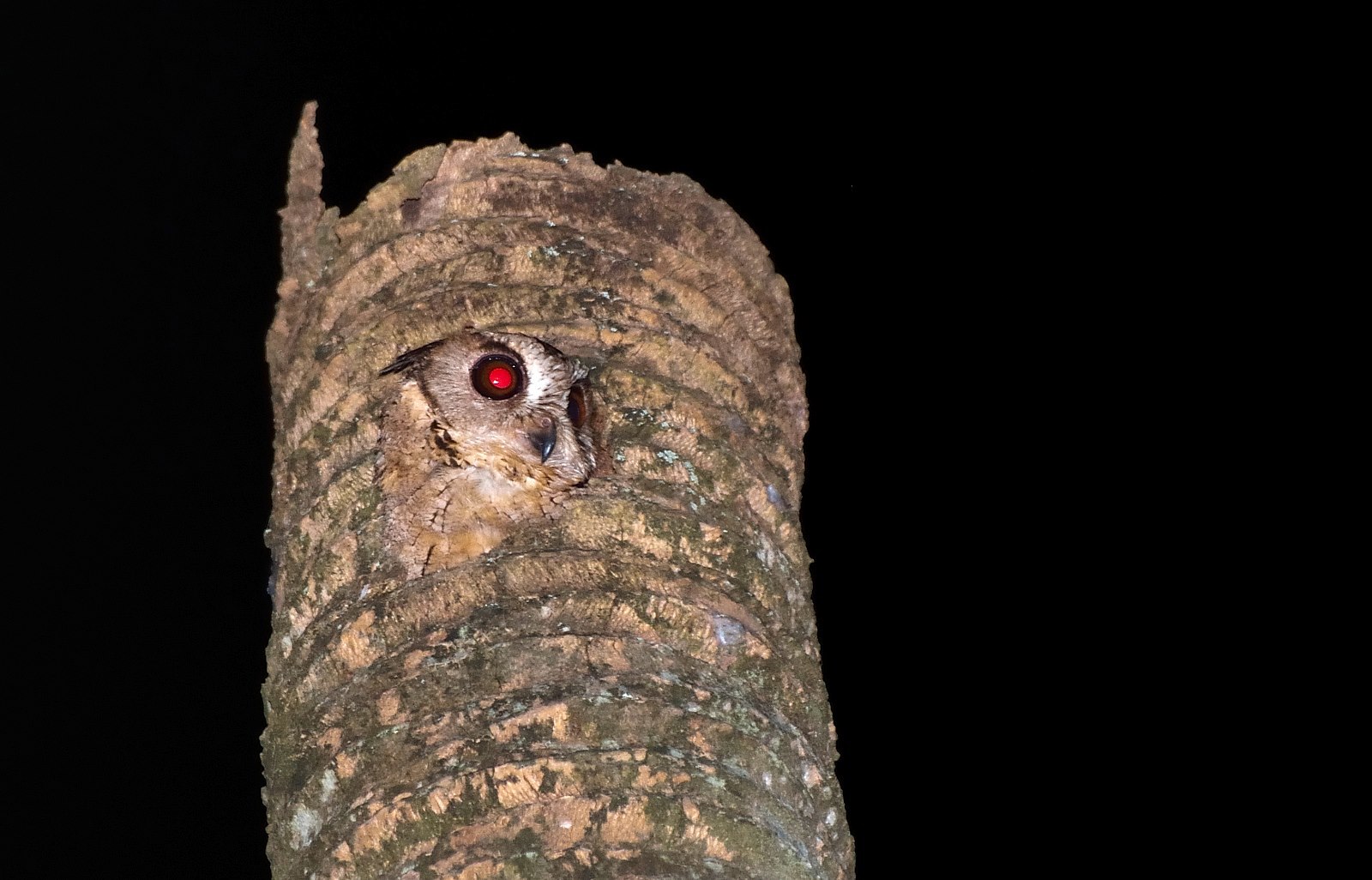
Indian Scops Owl (Otus bakkamoena) Indian Scops Owl
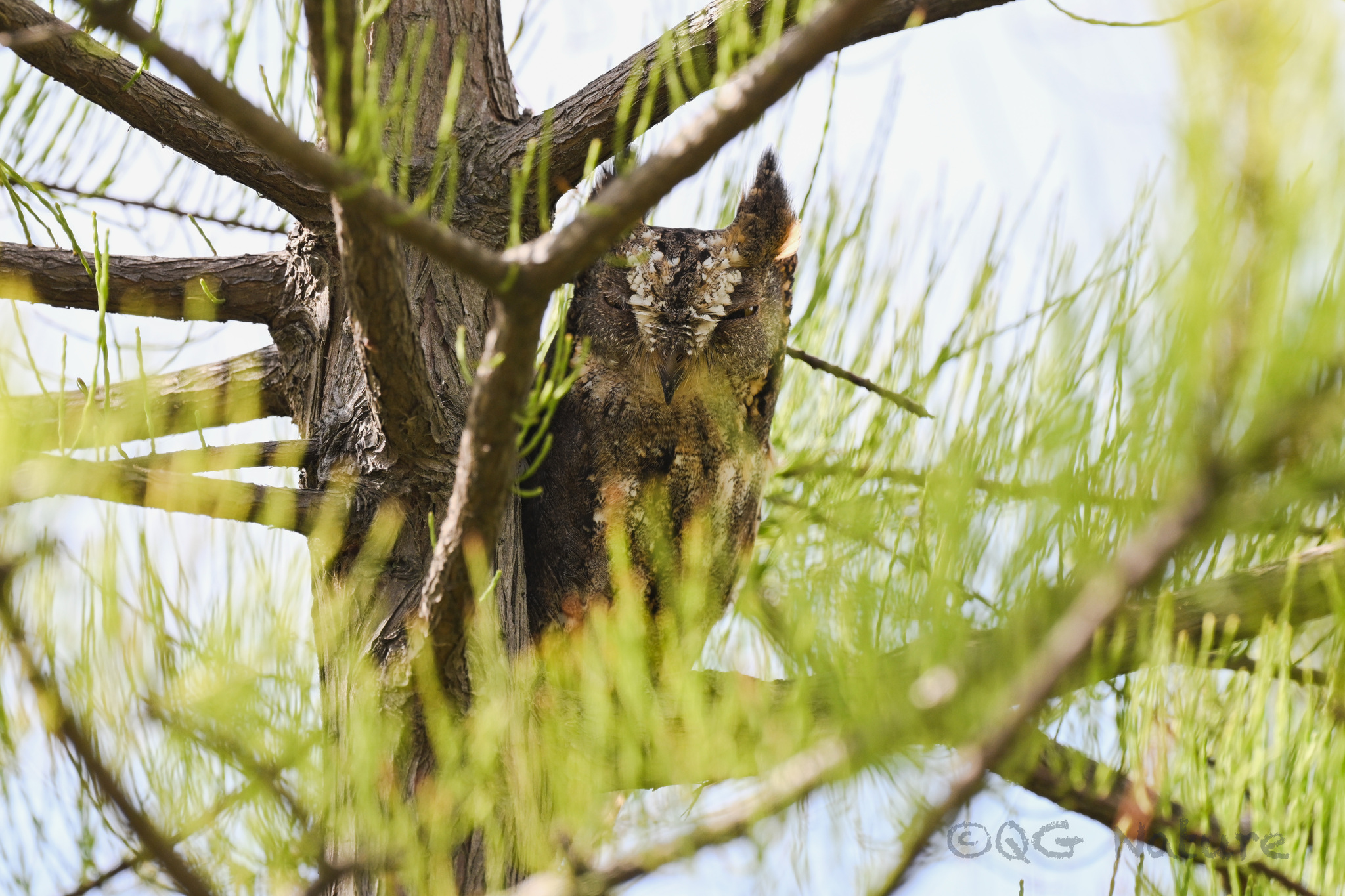
Oriental Scops Owl (Otus sunia) Oriental Scops Owl

Media

Loading…

In short

The Indian Scops Owl and Oriental Scops Owl are similar small owls, but they can be distinguished by their vocalizations and subtle plumage differences. The Indian Scops Owl typically has a more uniform brown plumage, while the Oriental Scops Owl often shows more contrasting patterns. Vocalizations are a key differentiator, with each species having distinct calls.

Identification tips

  1. Listen for calls: The Indian Scops Owl has a series of soft hoots, whereas the Oriental Scops Owl has a rapid series of notes. 2. Examine plumage: Look for the more uniform brown of the Indian Scops Owl versus the contrasting patterns of the Oriental Scops Owl. 3. Consider habitat: The Indian Scops Owl is often found in drier areas, which may help in identification.

Size

Both species are small owls of similar size, making size an unreliable distinguishing feature.

Plumage

The Indian Scops Owl generally has a more uniform brown plumage, while the Oriental Scops Owl often displays more contrasting patterns, including a more defined facial disk and sometimes a paler belly.

Behaviour

Both species exhibit similar behaviors, being primarily nocturnal and roosting during the day in dense foliage.

Habitat

Both species occupy similar habitats, including forests and wooded areas, but the Indian Scops Owl is more commonly found in drier regions.

Voice

Vocalizations are a key difference: the Indian Scops Owl has a series of soft hoots, while the Oriental Scops Owl typically produces a more rapid series of notes.

Submit a better description

Use the same sections as the comparison. Your text is published immediately.

The Indian Scops Owl and Oriental Scops Owl are similar small owls, but they can be distinguished by their vocalizations and subtle plumage differences. The Indian Scops Owl typically has a more uniform brown plumage, while the Oriental Scops Owl often shows more contrasting patterns. Vocalizations are a key differentiator, with each species having distinct calls.

  1. Listen for calls: The Indian Scops Owl has a series of soft hoots, whereas the Oriental Scops Owl has a rapid series of notes. 2. Examine plumage: Look for the more uniform brown of the Indian Scops Owl versus the contrasting patterns of the Oriental Scops Owl. 3. Consider habitat: The Indian Scops Owl is often found in drier areas, which may help in identification.

Both species are small owls of similar size, making size an unreliable distinguishing feature.

The Indian Scops Owl generally has a more uniform brown plumage, while the Oriental Scops Owl often displays more contrasting patterns, including a more defined facial disk and sometimes a paler belly.

Both species exhibit similar behaviors, being primarily nocturnal and roosting during the day in dense foliage.

Both species occupy similar habitats, including forests and wooded areas, but the Indian Scops Owl is more commonly found in drier regions.

Vocalizations are a key difference: the Indian Scops Owl has a series of soft hoots, while the Oriental Scops Owl typically produces a more rapid series of notes.

Discard your changes?

You have unsaved edits. If you leave now, those changes will be lost.

Indian Scops Owl · Oriental Scops Owl · My Tricky Birds