
Isabelline Wheatear vs Golden-winged Warbler
Oenanthe isabellina versus Vermivora chrysoptera
Play a quiz with Isabelline Wheatear and Golden-winged Warbler
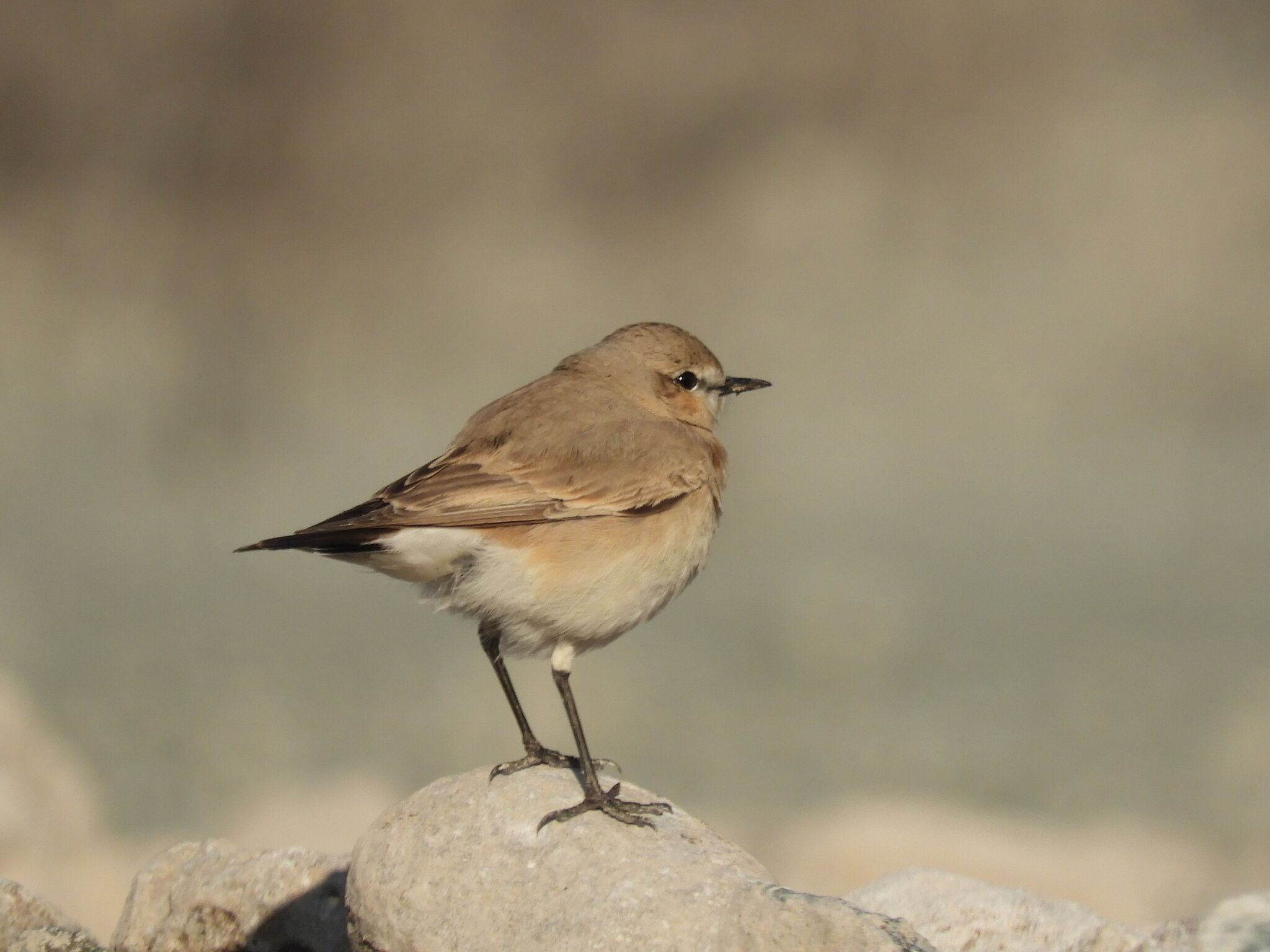 Isabelline Wheatear
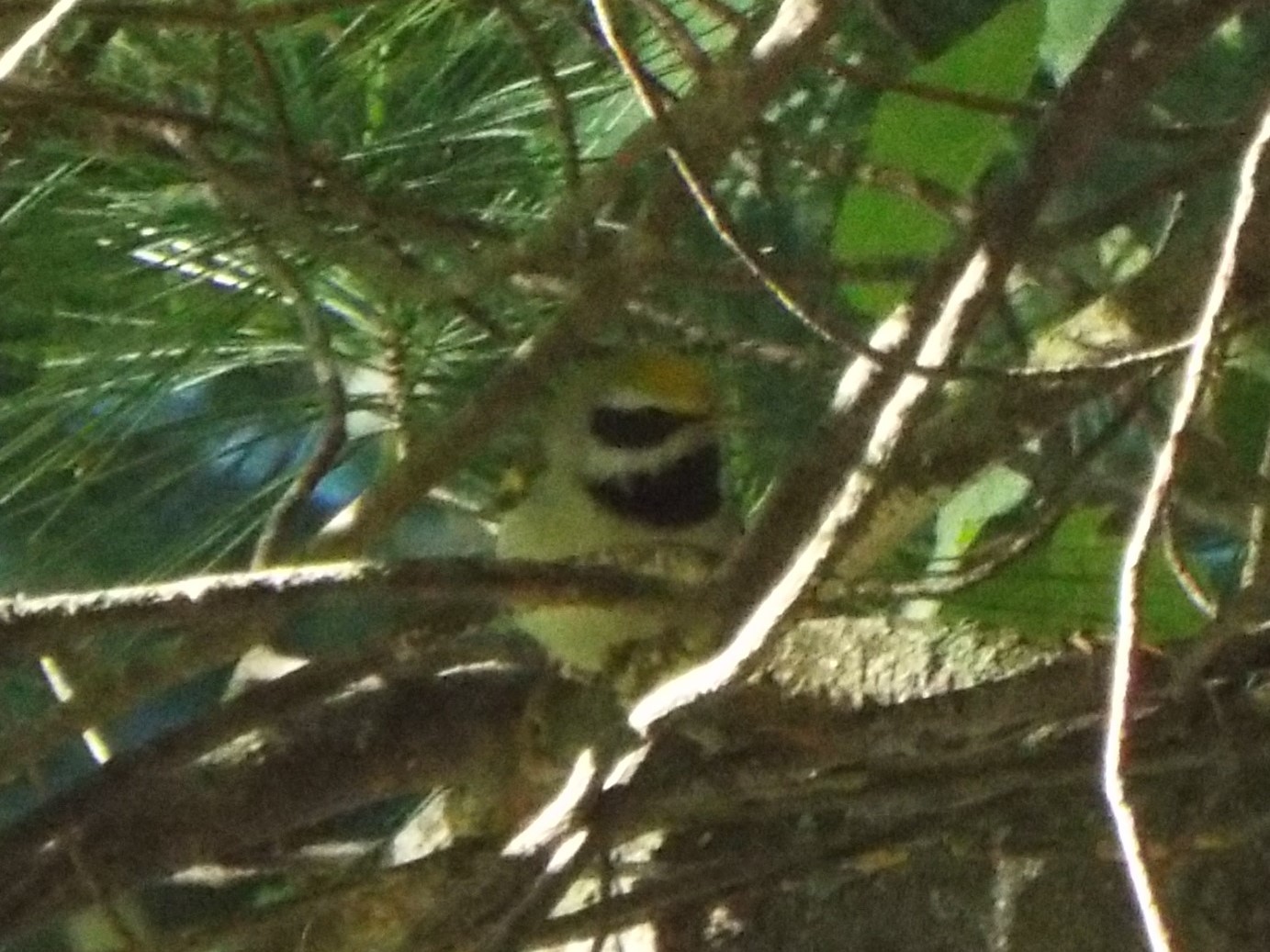 Golden-winged Warbler
In short
The Isabelline Wheatear and Golden-winged Warbler are distinct in appearance and habitat, making them unlikely to be confused in the field. The Isabelline Wheatear is a ground-dwelling bird of open habitats, while the Golden-winged Warbler is a canopy-dweller found in shrubby and forest edge habitats. Key differences include the wheatear's pale plumage with black tail band and the warbler's striking golden wing patches and black facial markings.
Identification tips
- Location: Consider the habitat; wheatears are in open, arid areas, while warblers are in shrubby, forested regions.
- Plumage: Look for the wheatear's pale coloration and black tail band versus the warbler's golden wing patches and black facial markings.
- Behavior: Note the ground-dwelling behavior of wheatears compared to the arboreal habits of warblers.
Size
The Isabelline Wheatear is larger and more robust compared to the smaller, more delicate Golden-winged Warbler.
Plumage
The Isabelline Wheatear has a pale sandy-brown plumage with a weak pale supercilium and a broad black terminal tail band. In contrast, the Golden-winged Warbler features bold black patches on the throat and face, with distinctive golden wing patches.
Behaviour
Isabelline Wheatears are often seen on the ground, running and perching on rocks or low shrubs. Golden-winged Warblers are more arboreal, flitting through shrubs and trees.
Habitat
Isabelline Wheatears inhabit open, arid regions such as steppes and semi-deserts. Golden-winged Warblers prefer dense herbaceous cover with shrubs, often near forest edges, and are found in higher elevations in the Appalachians.
Voice
Vocalizations are not mentioned in the sources, but generally, wheatears have a simple, repetitive song, while warblers have more complex and varied songs.
Isabelline Wheatear · Golden-winged Warbler · My Tricky Birds