
Japanese Wagtail vs Pied Wagtail/White Wagtail
Motacilla grandis versus Motacilla alba
Play a quiz with Japanese Wagtail and Pied Wagtail/White Wagtail
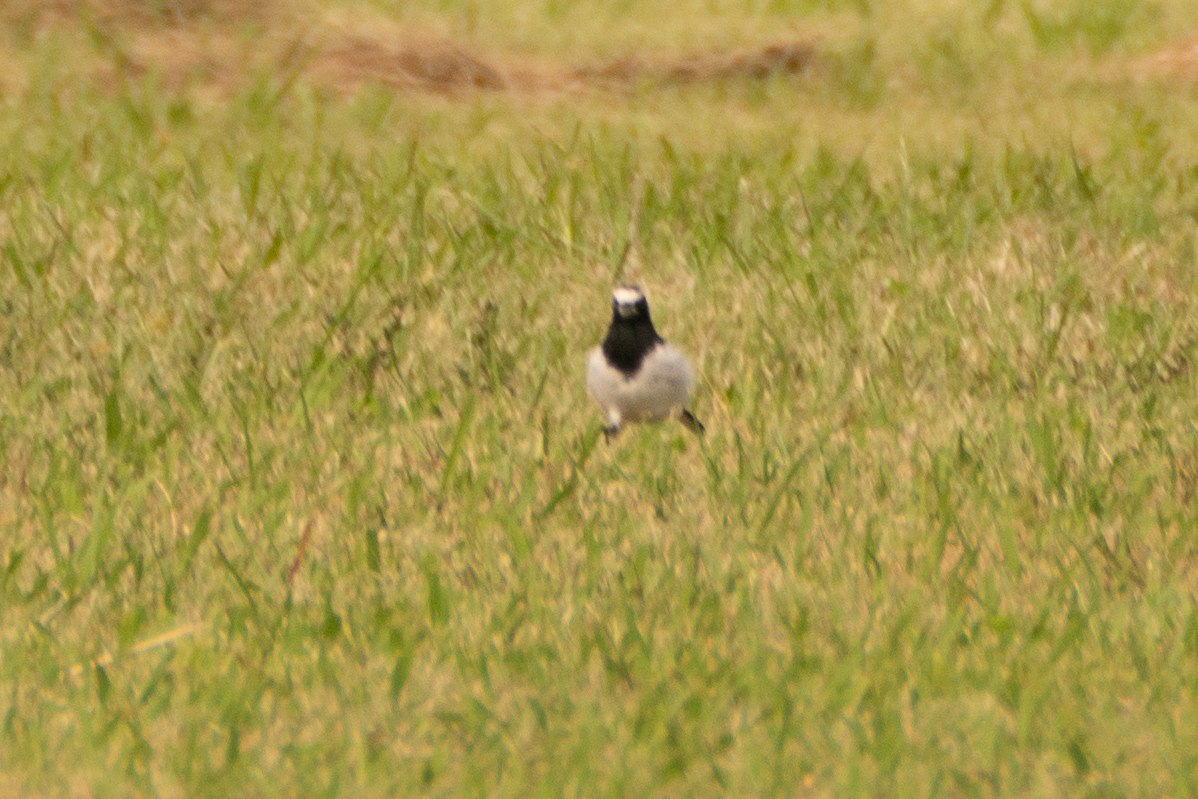 Japanese Wagtail
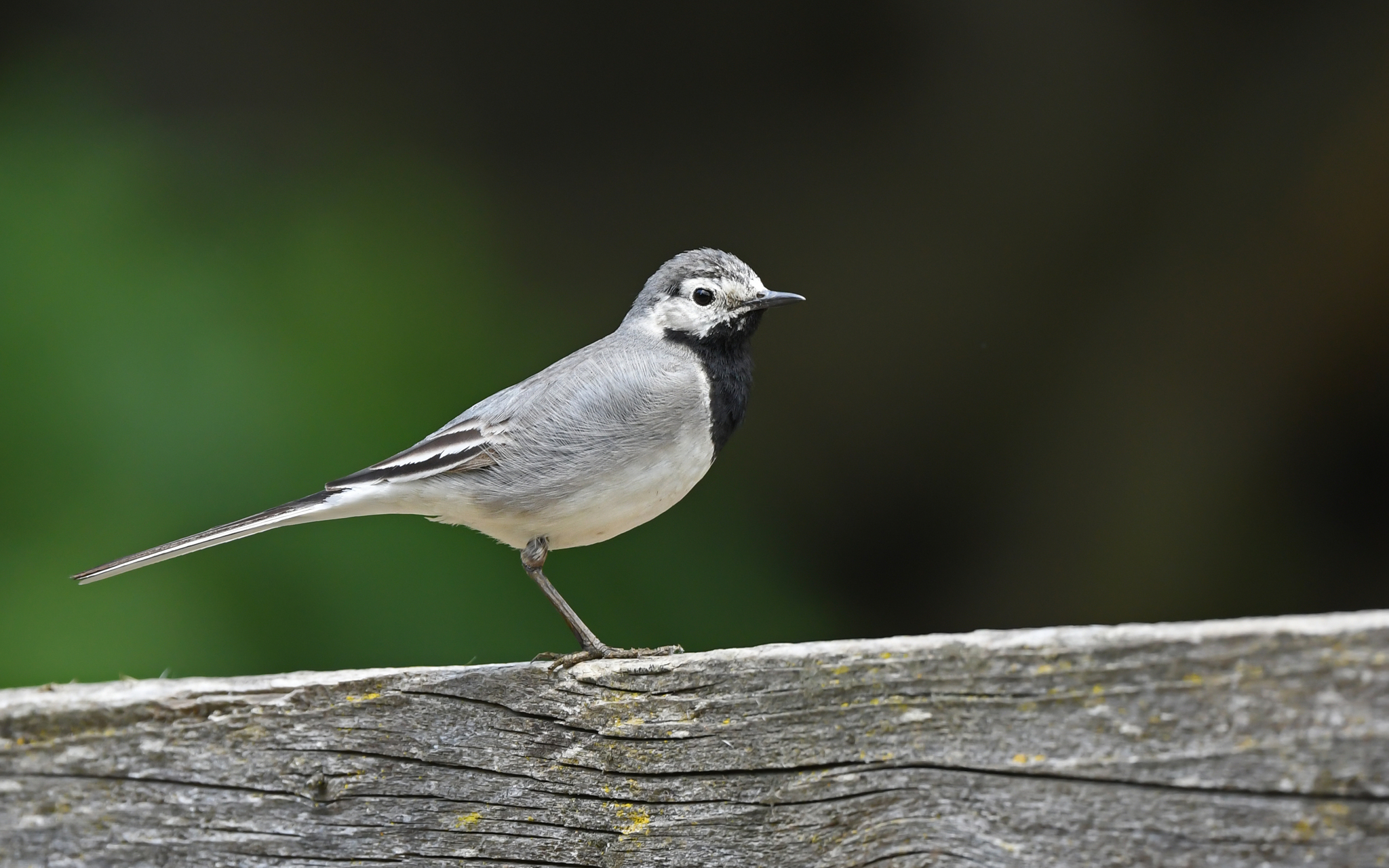 Pied Wagtail/White Wagtail
In short
The Japanese Wagtail (Motacilla grandis) and the White Wagtail (Motacilla alba) can be distinguished by their plumage and habitat preferences. The Japanese Wagtail has a more distinct black and white pattern, while the White Wagtail varies more across its subspecies. Both species frequent similar habitats but have subtle differences in their preferred environments.
Identification tips
- Plumage: Look for the solid black back and head of the Japanese Wagtail versus the more variable gray and black pattern of the White Wagtail.
- Habitat: Note the proximity to human settlements for Japanese Wagtails.
- Subspecies Variation: Be aware of the subspecies of White Wagtail, which can affect plumage appearance.
Size
Both species are similar in size, typical of wagtails, with slender bodies and long tails.
Plumage
The Japanese Wagtail has a striking black and white plumage with a solid black back and head, contrasting sharply with its white underparts. In contrast, the White Wagtail shows more variation depending on the subspecies, generally featuring a gray back and a black cap, but some subspecies may have more black or white in their plumage.
Behaviour
Both species exhibit typical wagtail behavior, such as tail wagging and ground foraging. They are often seen walking or running on the ground in search of insects.
Habitat
Both species are found near water, such as rivers and coasts. However, the Japanese Wagtail is more commonly associated with human settlements, while the White Wagtail can be found in a wider range of habitats, including more inland areas.
Voice
Vocalizations are similar, with both species producing a series of high-pitched calls. Specific differences in calls are subtle and not the most reliable field marks.
Japanese Wagtail · Pied Wagtail/White Wagtail · My Tricky Birds