Birdr

Juniper Titmouse vs Grey-breasted Martin

Baeolophus ridgwayi versus Progne chalybea

Play a quiz with Juniper Titmouse and Grey-breasted Martin
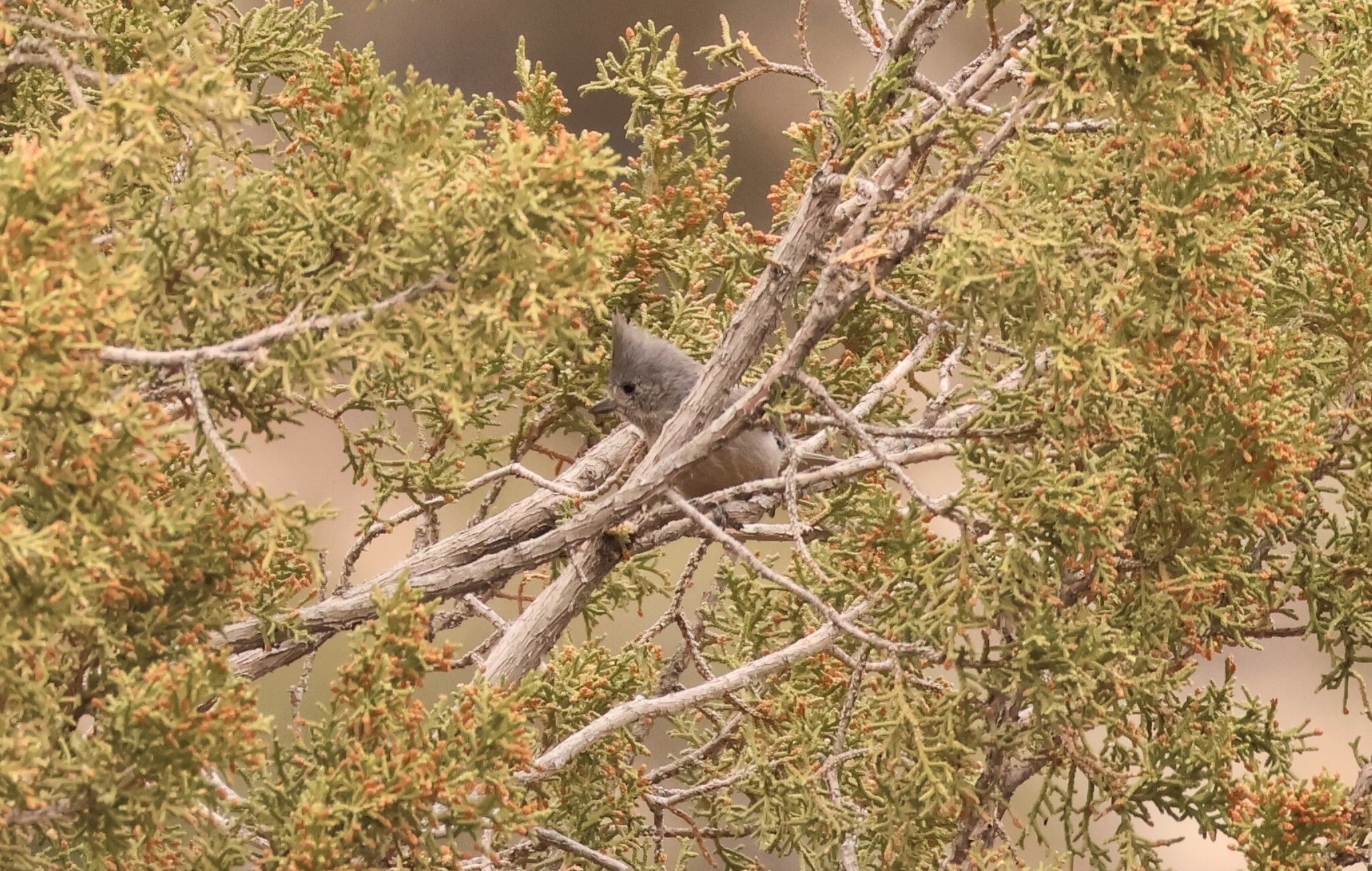
Juniper Titmouse (Baeolophus ridgwayi) Juniper Titmouse
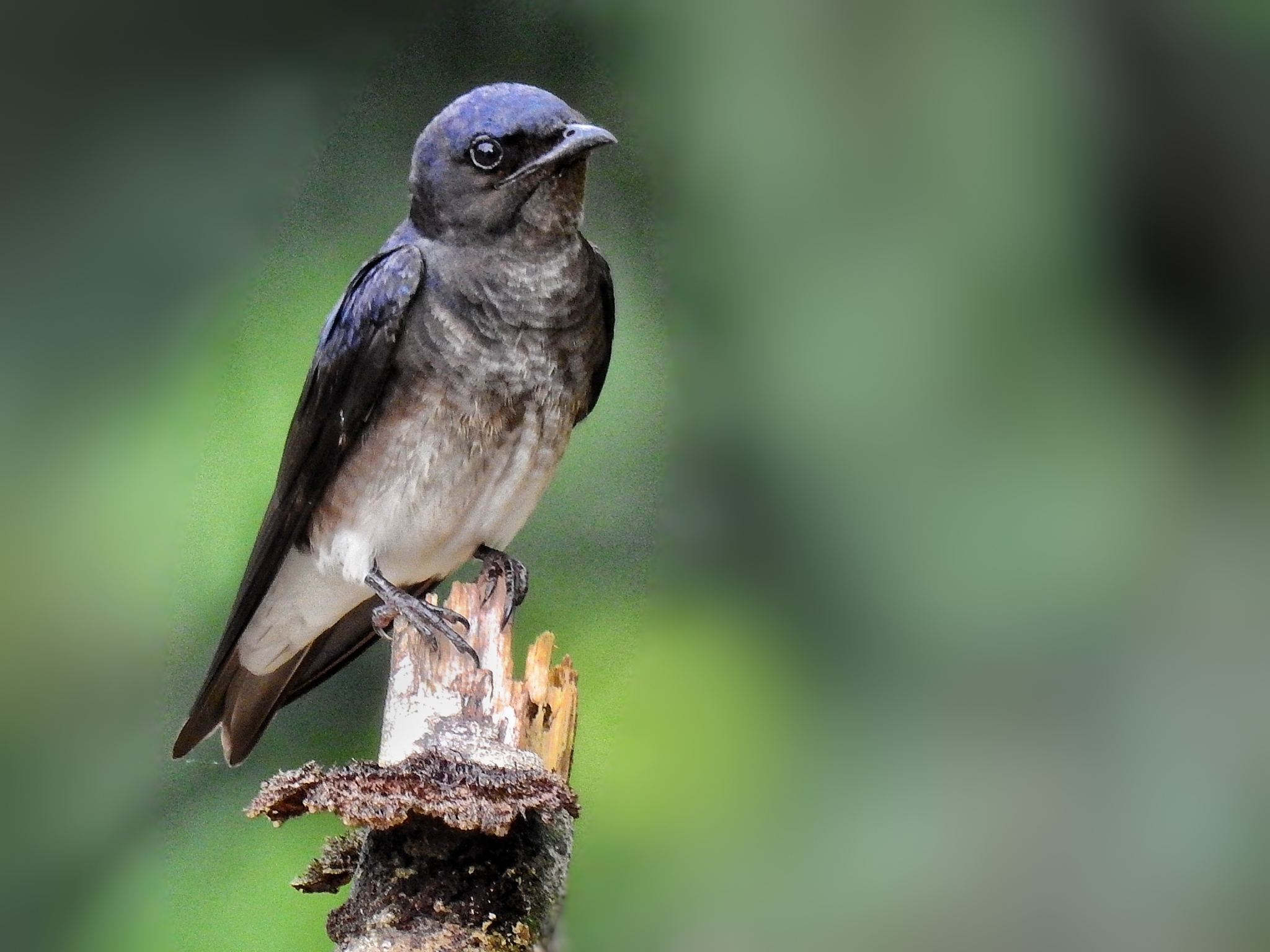
Grey-breasted Martin (Progne chalybea) Grey-breasted Martin

Media

Loading…

In short

The Juniper Titmouse and the Gray-breasted Martin are easily distinguished by their size, shape, and habitat preferences. The Juniper Titmouse is a small, crested songbird found in dry, wooded areas, while the Gray-breasted Martin is a larger, streamlined swallow often seen in open areas and urban settings.

Identification tips

  1. Look for the crest on the Juniper Titmouse, absent in the Gray-breasted Martin. 2. Note the habitat: wooded areas for titmice, open and urban areas for martins. 3. Observe the flight pattern: titmice flit among trees, martins soar in open skies. 4. Listen for vocal differences: titmice have harsher calls compared to the martin's chattering.

Size

The Juniper Titmouse is smaller and stockier, whereas the Gray-breasted Martin is larger and more streamlined.

Plumage

The Juniper Titmouse has a plain gray-brown plumage with a distinctive crest, while the Gray-breasted Martin has a glossy blue-black upperparts and pale gray underparts.

Behaviour

Juniper Titmice are often seen flitting through trees and shrubs, while Gray-breasted Martins are typically observed flying in open areas, catching insects on the wing.

Habitat

Juniper Titmice prefer dry, wooded habitats such as juniper and pinyon pine forests. In contrast, Gray-breasted Martins are found in open areas, often near water, and adapt well to urban environments.

Voice

Juniper Titmice have a variety of calls, including a harsh 'chick-a-dee' sound, while Gray-breasted Martins have a series of liquid, chattering calls.

Submit a better description

Use the same sections as the comparison. Your text is published immediately.

The Juniper Titmouse and the Gray-breasted Martin are easily distinguished by their size, shape, and habitat preferences. The Juniper Titmouse is a small, crested songbird found in dry, wooded areas, while the Gray-breasted Martin is a larger, streamlined swallow often seen in open areas and urban settings.

  1. Look for the crest on the Juniper Titmouse, absent in the Gray-breasted Martin. 2. Note the habitat: wooded areas for titmice, open and urban areas for martins. 3. Observe the flight pattern: titmice flit among trees, martins soar in open skies. 4. Listen for vocal differences: titmice have harsher calls compared to the martin's chattering.

The Juniper Titmouse is smaller and stockier, whereas the Gray-breasted Martin is larger and more streamlined.

The Juniper Titmouse has a plain gray-brown plumage with a distinctive crest, while the Gray-breasted Martin has a glossy blue-black upperparts and pale gray underparts.

Juniper Titmice are often seen flitting through trees and shrubs, while Gray-breasted Martins are typically observed flying in open areas, catching insects on the wing.

Juniper Titmice prefer dry, wooded habitats such as juniper and pinyon pine forests. In contrast, Gray-breasted Martins are found in open areas, often near water, and adapt well to urban environments.

Juniper Titmice have a variety of calls, including a harsh 'chick-a-dee' sound, while Gray-breasted Martins have a series of liquid, chattering calls.

Discard your changes?

You have unsaved edits. If you leave now, those changes will be lost.

Juniper Titmouse · Grey-breasted Martin · My Tricky Birds