Birdr

Juniper Titmouse vs Mangrove Swallow

Baeolophus ridgwayi versus Tachycineta albilinea

Play a quiz with Juniper Titmouse and Mangrove Swallow
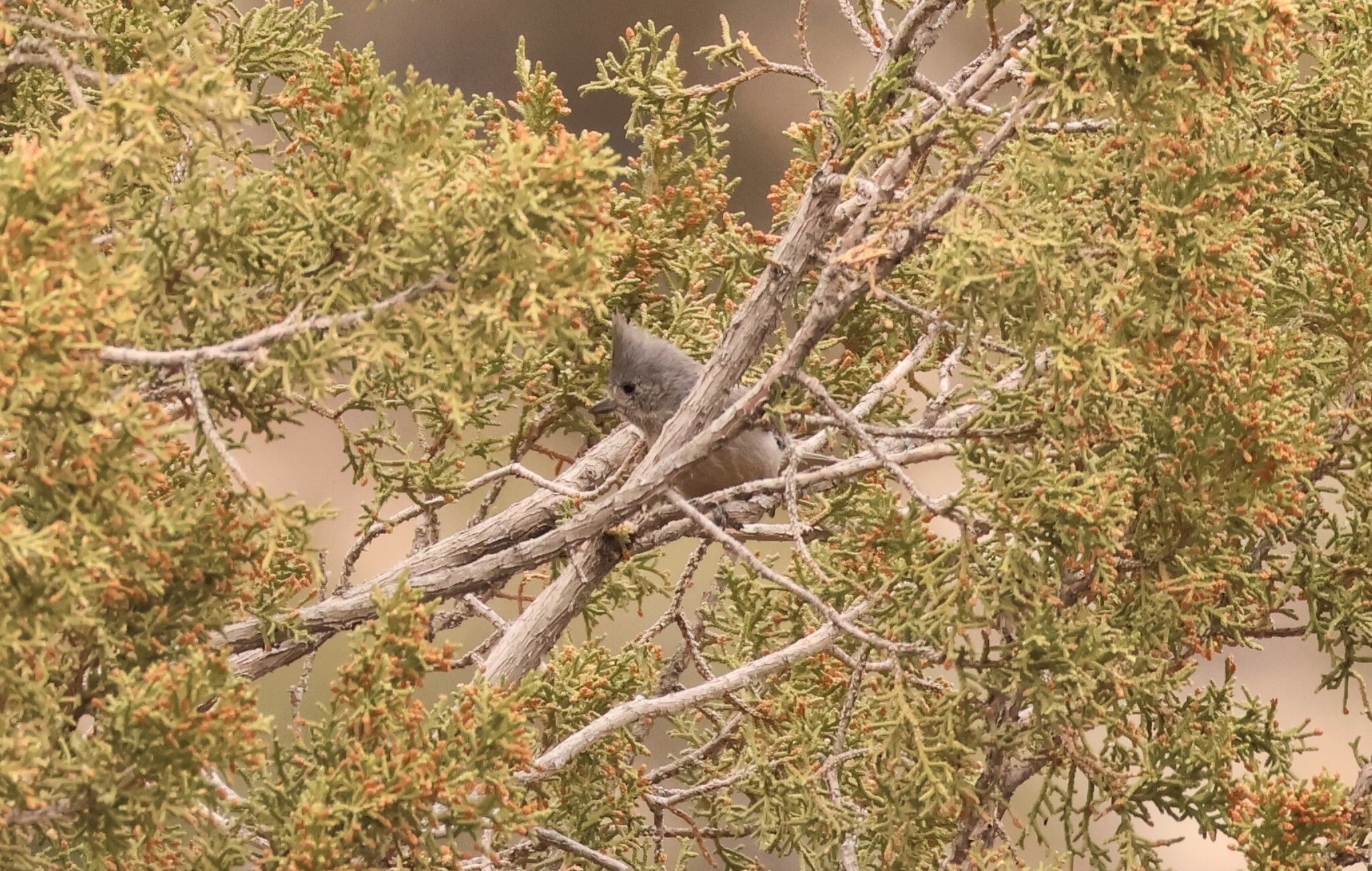
Juniper Titmouse (Baeolophus ridgwayi) Juniper Titmouse
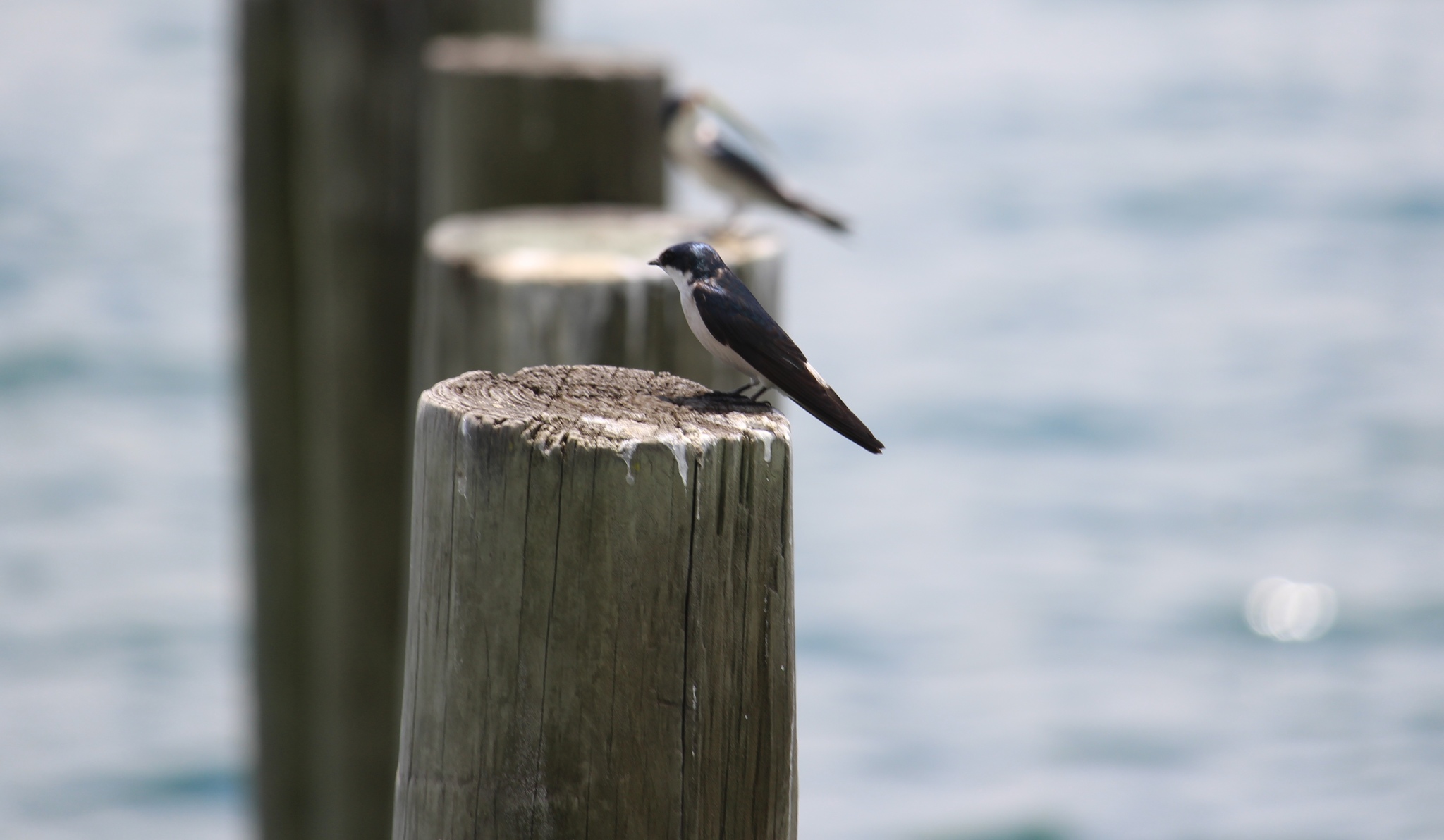
Mangrove Swallow (Tachycineta albilinea) Mangrove Swallow

Media

Loading…

In short

The Juniper Titmouse and Mangrove Swallow are easily distinguished by their habitat preferences and plumage. The Juniper Titmouse is a small, plain gray bird with a distinctive crest, while the Mangrove Swallow is glossy with a white underbelly and a notable white supraloral streak. These species are not closely related, making structural differences pronounced.

Identification tips

1. Habitat: Check the surroundings; Juniper Titmice are in dry woodlands, while Mangrove Swallows are near water. 2. Plumage: Look for the plain gray and crest of the titmouse versus the glossy, white-bellied swallow with a white supraloral streak. 3. Behavior: Note the foraging style; titmice are in trees, swallows in flight. 4. Vocalization: Listen for the titmouse's nasal calls.

Size

The Juniper Titmouse is a small songbird, similar in size to other titmice, while the Mangrove Swallow is slightly larger and more streamlined, typical of swallows.

Plumage

The Juniper Titmouse is uniformly gray with a small crest, lacking any striking color contrasts. In contrast, the Mangrove Swallow has a glossy green-blue or steel-blue upperparts and white underparts, with a distinctive white supraloral streak.

Behaviour

Juniper Titmice are often seen in small flocks or pairs, foraging in trees, while Mangrove Swallows are more likely to be observed in flight, catching insects over water.

Habitat

Juniper Titmice are found in dry, open woodlands, particularly those with junipers. Mangrove Swallows are typically associated with coastal areas, especially near mangroves and other water bodies.

Voice

Juniper Titmice have a variety of calls, often described as nasal or scratchy. Mangrove Swallows are less vocal, with calls that are less distinctive in the field.

Submit a better description

Use the same sections as the comparison. Your text is published immediately.

The Juniper Titmouse and Mangrove Swallow are easily distinguished by their habitat preferences and plumage. The Juniper Titmouse is a small, plain gray bird with a distinctive crest, while the Mangrove Swallow is glossy with a white underbelly and a notable white supraloral streak. These species are not closely related, making structural differences pronounced.

1. Habitat: Check the surroundings; Juniper Titmice are in dry woodlands, while Mangrove Swallows are near water. 2. Plumage: Look for the plain gray and crest of the titmouse versus the glossy, white-bellied swallow with a white supraloral streak. 3. Behavior: Note the foraging style; titmice are in trees, swallows in flight. 4. Vocalization: Listen for the titmouse's nasal calls.

The Juniper Titmouse is a small songbird, similar in size to other titmice, while the Mangrove Swallow is slightly larger and more streamlined, typical of swallows.

The Juniper Titmouse is uniformly gray with a small crest, lacking any striking color contrasts. In contrast, the Mangrove Swallow has a glossy green-blue or steel-blue upperparts and white underparts, with a distinctive white supraloral streak.

Juniper Titmice are often seen in small flocks or pairs, foraging in trees, while Mangrove Swallows are more likely to be observed in flight, catching insects over water.

Juniper Titmice are found in dry, open woodlands, particularly those with junipers. Mangrove Swallows are typically associated with coastal areas, especially near mangroves and other water bodies.

Juniper Titmice have a variety of calls, often described as nasal or scratchy. Mangrove Swallows are less vocal, with calls that are less distinctive in the field.

Discard your changes?

You have unsaved edits. If you leave now, those changes will be lost.

Juniper Titmouse · Mangrove Swallow · My Tricky Birds