Birdr

Killdeer vs Rose-breasted Grosbeak

Charadrius vociferus versus Pheucticus ludovicianus

Play a quiz with Killdeer and Rose-breasted Grosbeak

Killdeer (Charadrius vociferus) Killdeer
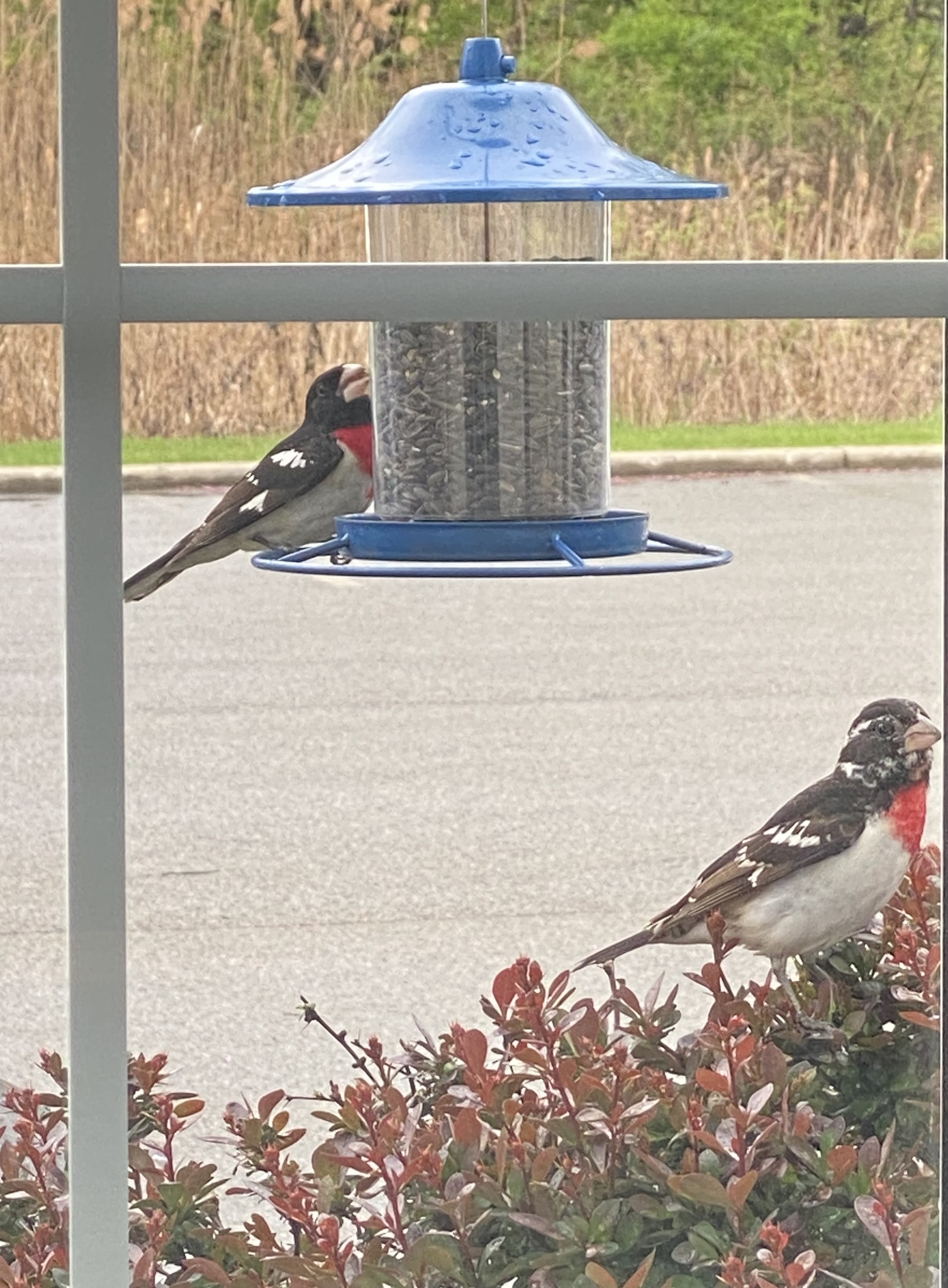
Rose-breasted Grosbeak (Pheucticus ludovicianus) Rose-breasted Grosbeak

Media

Loading…

In short

The Killdeer and Rose-breasted Grosbeak are easily distinguished by their habitat preferences and plumage. Killdeers are shorebirds with distinctive double black breast bands, while Rose-breasted Grosbeaks are forest dwellers with striking black, white, and rose-pink plumage in males. Their vocalizations and behaviors also differ significantly.

Identification tips

1. Location: Check the habitat; Killdeer are in open areas, while Rose-breasted Grosbeaks are in wooded areas. 2. Plumage: Look for the Killdeer's double black breast bands versus the male Grosbeak's rose-pink breast. 3. Behavior: Note the Killdeer's ground-dwelling behavior and distraction displays. 4. Vocalization: Listen for the Killdeer's loud calls compared to the Grosbeak's melodic song.

Size

Killdeer are medium-sized shorebirds, generally larger than the Rose-breasted Grosbeak, which is a medium-sized songbird.

Plumage

Killdeer have a brown back, white underparts, and two black breast bands. In contrast, male Rose-breasted Grosbeaks have black and white plumage with a rose-pink breast, while females are brown and streaked.

Behaviour

Killdeer often exhibit a running-stopping-bobbing gait and perform a broken-wing act to distract predators. Rose-breasted Grosbeaks are more arboreal, often seen in trees and shrubs, and both sexes share nesting duties.

Habitat

Killdeer are found in open areas like mudflats, gravel bars, and short-grass meadows, often near water. Rose-breasted Grosbeaks inhabit deciduous and mixed forests, thickets, and gardens.

Voice

Killdeer are very vocal, known for their loud, repetitive calls. Rose-breasted Grosbeaks have a song similar to the American Robin, but sweeter and more varied, with both sexes singing.

Submit a better description

Use the same sections as the comparison. Your text is published immediately.

The Killdeer and Rose-breasted Grosbeak are easily distinguished by their habitat preferences and plumage. Killdeers are shorebirds with distinctive double black breast bands, while Rose-breasted Grosbeaks are forest dwellers with striking black, white, and rose-pink plumage in males. Their vocalizations and behaviors also differ significantly.

1. Location: Check the habitat; Killdeer are in open areas, while Rose-breasted Grosbeaks are in wooded areas. 2. Plumage: Look for the Killdeer's double black breast bands versus the male Grosbeak's rose-pink breast. 3. Behavior: Note the Killdeer's ground-dwelling behavior and distraction displays. 4. Vocalization: Listen for the Killdeer's loud calls compared to the Grosbeak's melodic song.

Killdeer are medium-sized shorebirds, generally larger than the Rose-breasted Grosbeak, which is a medium-sized songbird.

Killdeer have a brown back, white underparts, and two black breast bands. In contrast, male Rose-breasted Grosbeaks have black and white plumage with a rose-pink breast, while females are brown and streaked.

Killdeer often exhibit a running-stopping-bobbing gait and perform a broken-wing act to distract predators. Rose-breasted Grosbeaks are more arboreal, often seen in trees and shrubs, and both sexes share nesting duties.

Killdeer are found in open areas like mudflats, gravel bars, and short-grass meadows, often near water. Rose-breasted Grosbeaks inhabit deciduous and mixed forests, thickets, and gardens.

Killdeer are very vocal, known for their loud, repetitive calls. Rose-breasted Grosbeaks have a song similar to the American Robin, but sweeter and more varied, with both sexes singing.

Discard your changes?

You have unsaved edits. If you leave now, those changes will be lost.

Killdeer · Rose-breasted Grosbeak · My Tricky Birds