
Lapland Bunting vs Chihuahuan Meadowlark
Calcarius lapponicus versus Sturnella lilianae
Play a quiz with Lapland Bunting and Chihuahuan Meadowlark
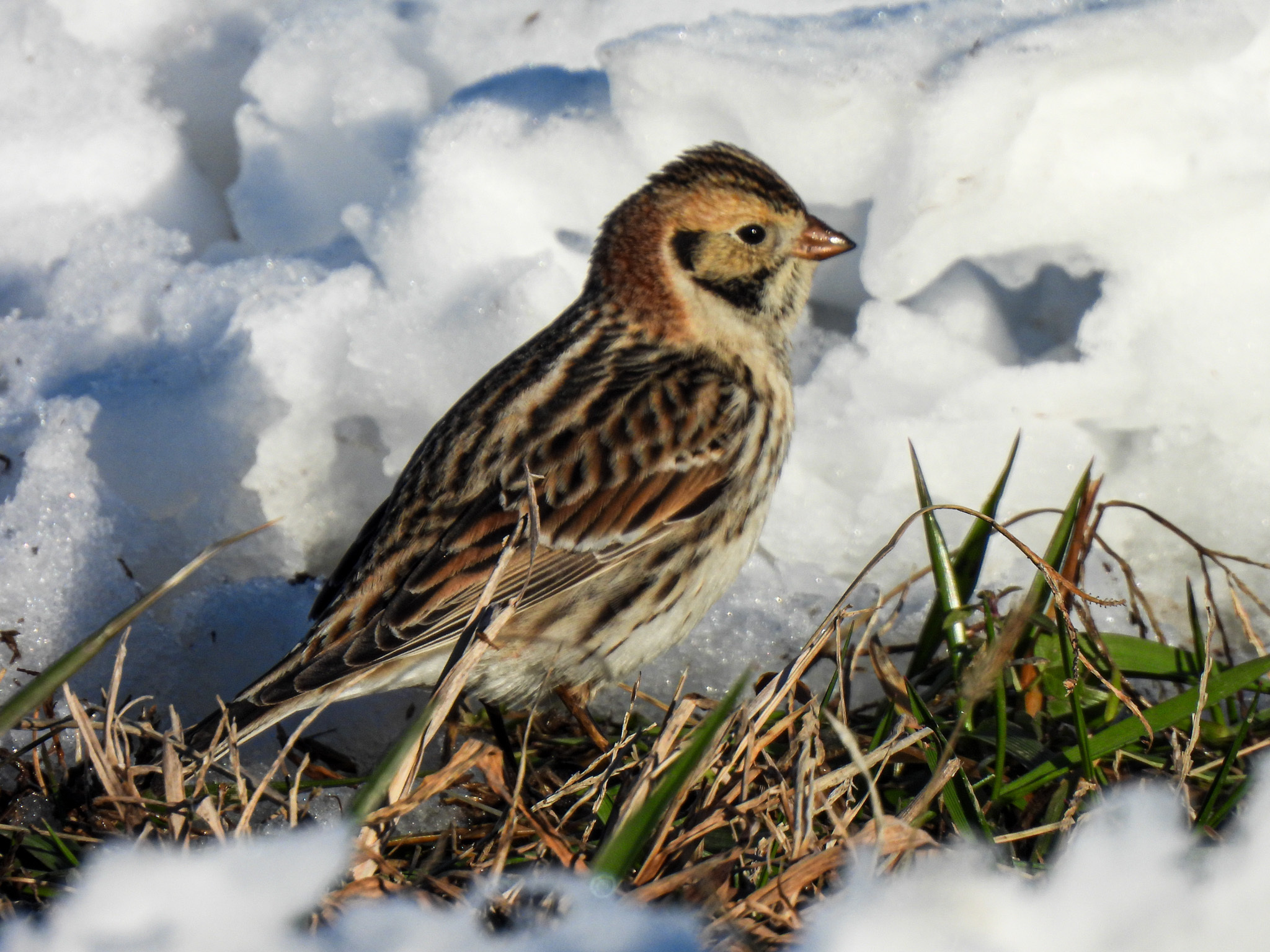 Lapland Bunting
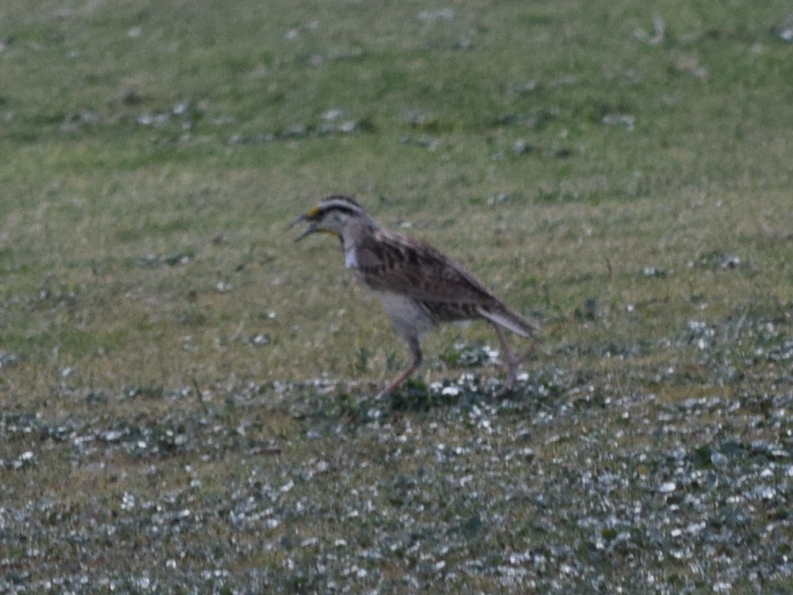 Chihuahuan Meadowlark
In short
The Lapland Bunting and Chihuahuan Meadowlark are distinct in both appearance and habitat. The Lapland Bunting is a small, Arctic bird with a distinctive black and chestnut head pattern, while the Chihuahuan Meadowlark is a larger, pale bird of desert grasslands with a yellow breast and minimal streaking. Observing their habitats and plumage will help differentiate them.
Identification tips
- Location: Check the habitat; Lapland Buntings are in Arctic tundra, Chihuahuan Meadowlarks in desert grasslands.
- Size and Shape: Note the size; meadowlarks are larger and more robust.
- Plumage: Look for the Lapland Bunting's black and chestnut head pattern versus the meadowlark's pale and yellow breast.
- Behavior: Observe behavior; buntings are often tame and ground-nesting, while meadowlarks may sing from perches.
- Vocalization: Listen for song differences; buntings have sweet, musical notes compared to the meadowlark's whistles.
Size
The Chihuahuan Meadowlark is larger than the Lapland Bunting, with a more robust build typical of meadowlarks.
Plumage
Lapland Bunting males in breeding plumage have a striking black face and chestnut nape, while females and non-breeding males are more subdued with streaked brown plumage. The Chihuahuan Meadowlark has a pale, almost sunbleached appearance with a yellow breast and distinctive polka-dot-like side streaking.
Behaviour
Lapland Buntings are often seen in open tundra, displaying tameness during the breeding season. Chihuahuan Meadowlarks, like other meadowlarks, are ground foragers in grasslands and may exhibit typical meadowlark behaviors such as singing from elevated perches.
Habitat
Lapland Buntings inhabit Arctic tundra regions, while Chihuahuan Meadowlarks are found in desert grasslands of the southwestern United States and northern Mexico.
Voice
The Lapland Bunting's song is a series of sweet, musical notes, while the Chihuahuan Meadowlark's song is similar to other meadowlarks, consisting of clear, melodious whistles.