Birdr

Least Grebe vs Western Grebe

Tachybaptus dominicus versus Aechmophorus occidentalis

Play a quiz with Least Grebe and Western Grebe
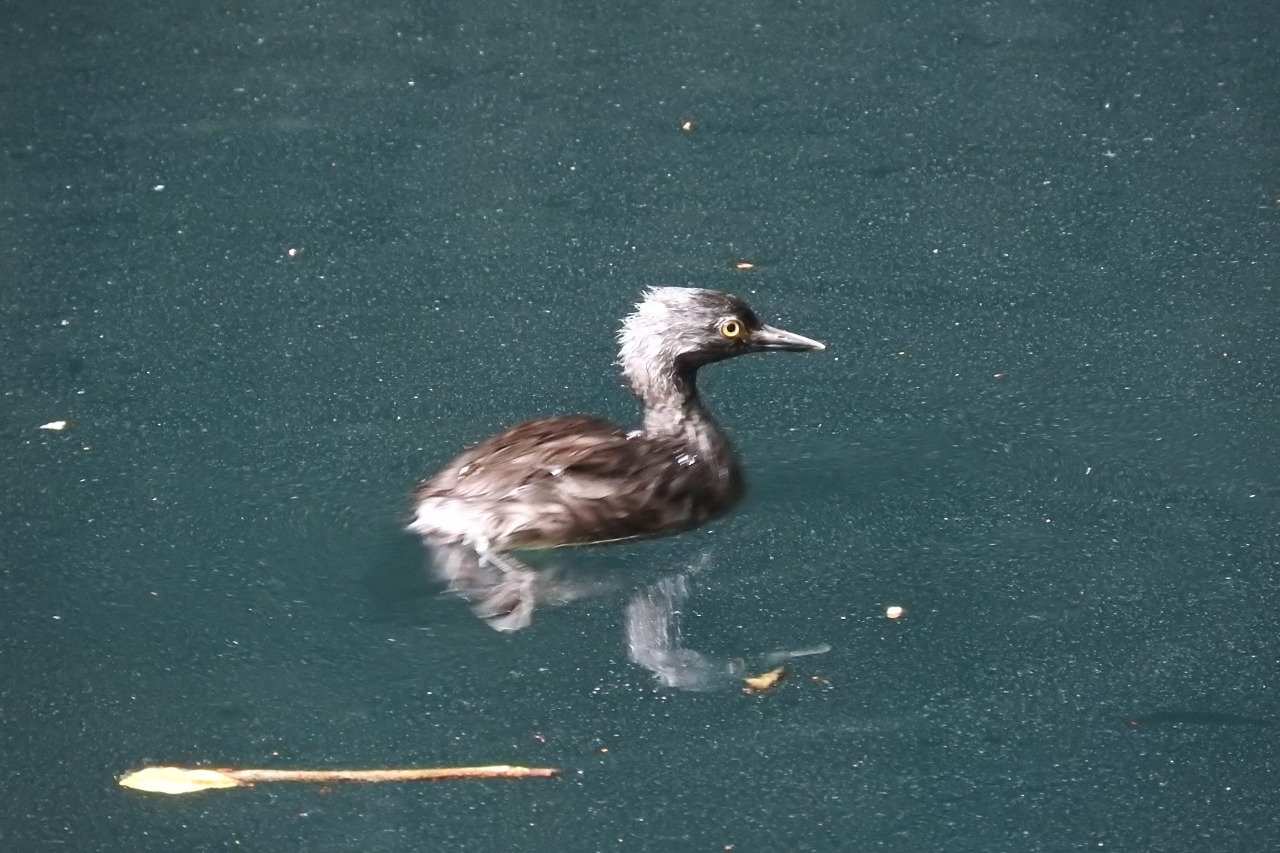
Least Grebe (Tachybaptus dominicus) Least Grebe
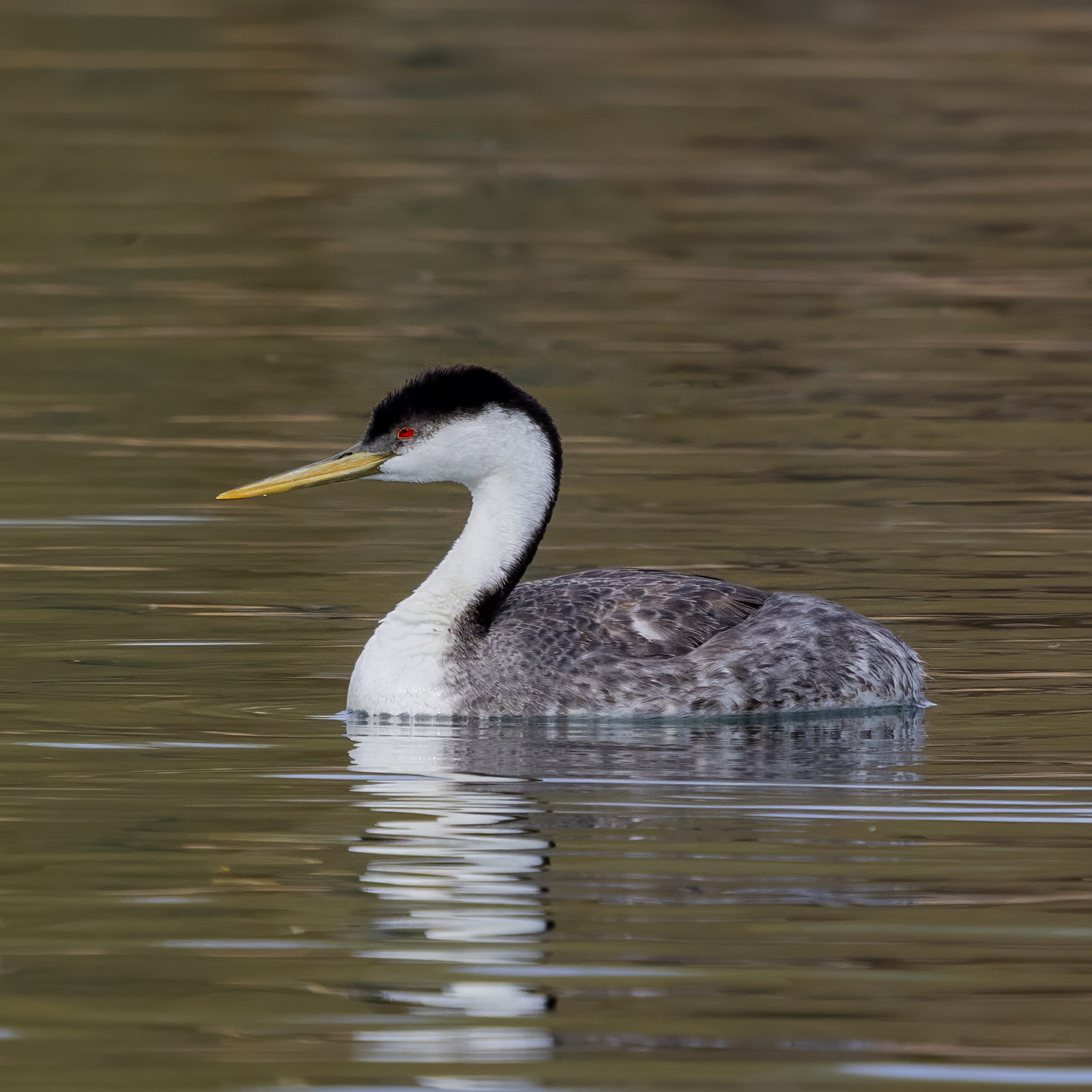
Western Grebe (Aechmophorus occidentalis) Western Grebe

Media

Loading…

In short

The Least Grebe is a small, inconspicuous bird found in tropical and subtropical waters, while the Western Grebe is larger and more noticeable, often seen in North American lakes. Key differences include size and bill shape, with the Least Grebe being much smaller and having a shorter, more pointed bill.

Identification tips

  1. Size: Look for the smaller size of the Least Grebe compared to the Western Grebe. 2. Bill Shape: Note the shorter, more pointed bill of the Least Grebe versus the longer, more dagger-like bill of the Western Grebe. 3. Plumage: Observe the dark plumage with a pale throat of the Least Grebe, contrasting with the black-and-white pattern of the Western Grebe. 4. Habitat: Consider the habitat; Least Grebes are more likely in tropical and subtropical small water bodies, while Western Grebes are found in larger lakes in North America.

Size

The Least Grebe is significantly smaller than the Western Grebe. The Least Grebe is the smallest New World grebe, whereas the Western Grebe is one of the largest grebes.

Plumage

Least Grebes have a dark gray to black plumage with a pale throat and belly, while Western Grebes have a striking black-and-white contrast with a long neck and a distinctive black cap extending below the eye.

Behaviour

Least Grebes are often solitary or found in pairs, and they are less studied compared to Western Grebes, which are known for their elaborate courtship displays.

Habitat

Least Grebes inhabit small, often temporary, bodies of fresh and brackish water in tropical and subtropical regions. Western Grebes prefer larger lakes and are found in North America, especially during the breeding season.

Voice

Vocalizations are not well-documented for the Least Grebe, whereas Western Grebes are known for their loud, distinctive calls, especially during courtship.

Submit a better description

Use the same sections as the comparison. Your text is published immediately.

The Least Grebe is a small, inconspicuous bird found in tropical and subtropical waters, while the Western Grebe is larger and more noticeable, often seen in North American lakes. Key differences include size and bill shape, with the Least Grebe being much smaller and having a shorter, more pointed bill.

  1. Size: Look for the smaller size of the Least Grebe compared to the Western Grebe. 2. Bill Shape: Note the shorter, more pointed bill of the Least Grebe versus the longer, more dagger-like bill of the Western Grebe. 3. Plumage: Observe the dark plumage with a pale throat of the Least Grebe, contrasting with the black-and-white pattern of the Western Grebe. 4. Habitat: Consider the habitat; Least Grebes are more likely in tropical and subtropical small water bodies, while Western Grebes are found in larger lakes in North America.

The Least Grebe is significantly smaller than the Western Grebe. The Least Grebe is the smallest New World grebe, whereas the Western Grebe is one of the largest grebes.

Least Grebes have a dark gray to black plumage with a pale throat and belly, while Western Grebes have a striking black-and-white contrast with a long neck and a distinctive black cap extending below the eye.

Least Grebes are often solitary or found in pairs, and they are less studied compared to Western Grebes, which are known for their elaborate courtship displays.

Least Grebes inhabit small, often temporary, bodies of fresh and brackish water in tropical and subtropical regions. Western Grebes prefer larger lakes and are found in North America, especially during the breeding season.

Vocalizations are not well-documented for the Least Grebe, whereas Western Grebes are known for their loud, distinctive calls, especially during courtship.

Discard your changes?

You have unsaved edits. If you leave now, those changes will be lost.

Least Grebe · Western Grebe · My Tricky Birds