Birdr

Lesser Cuckoo vs Madagascar Cuckoo

Cuculus poliocephalus versus Cuculus rochii

Play a quiz with Lesser Cuckoo and Madagascar Cuckoo
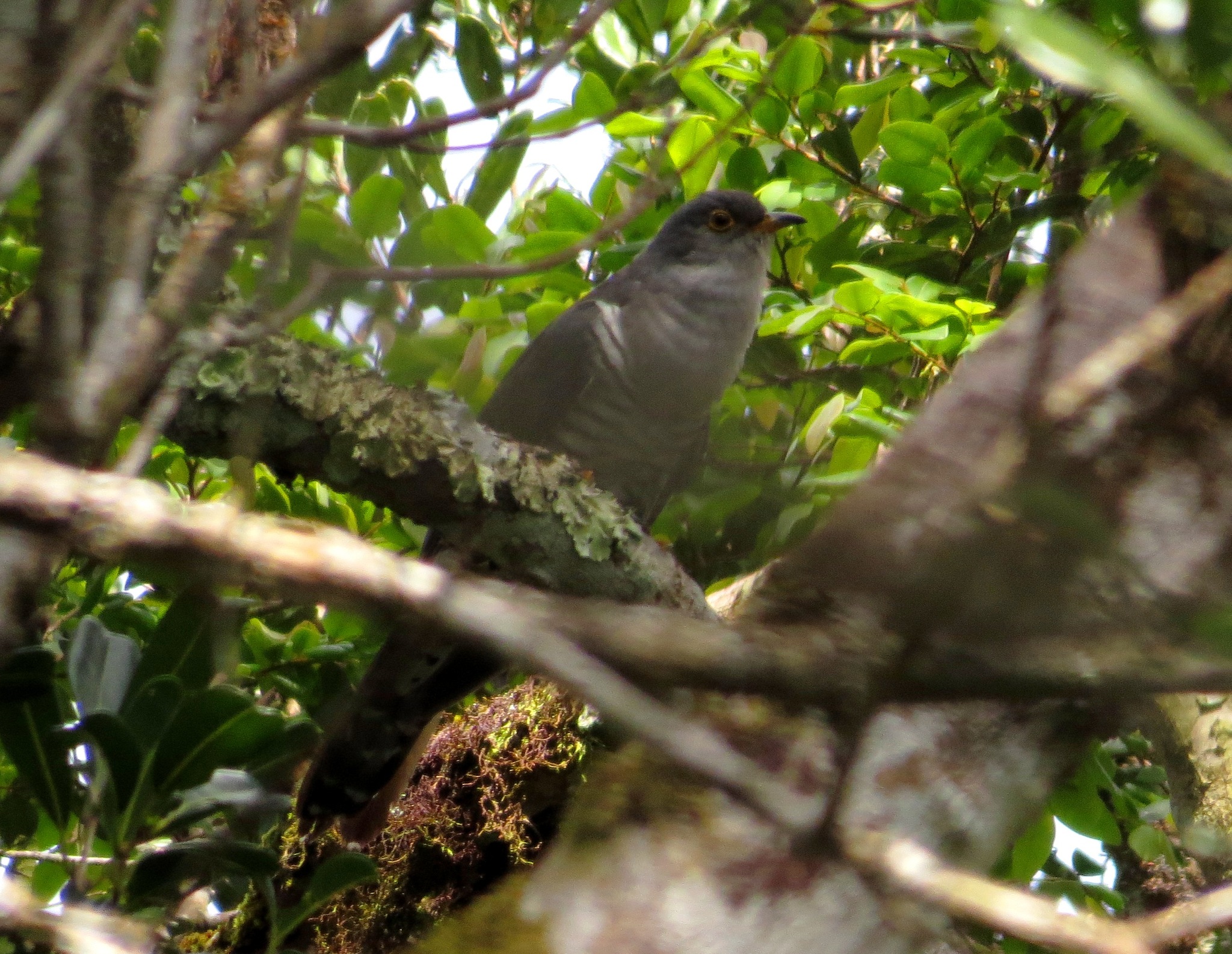
Lesser Cuckoo (Cuculus poliocephalus) Lesser Cuckoo
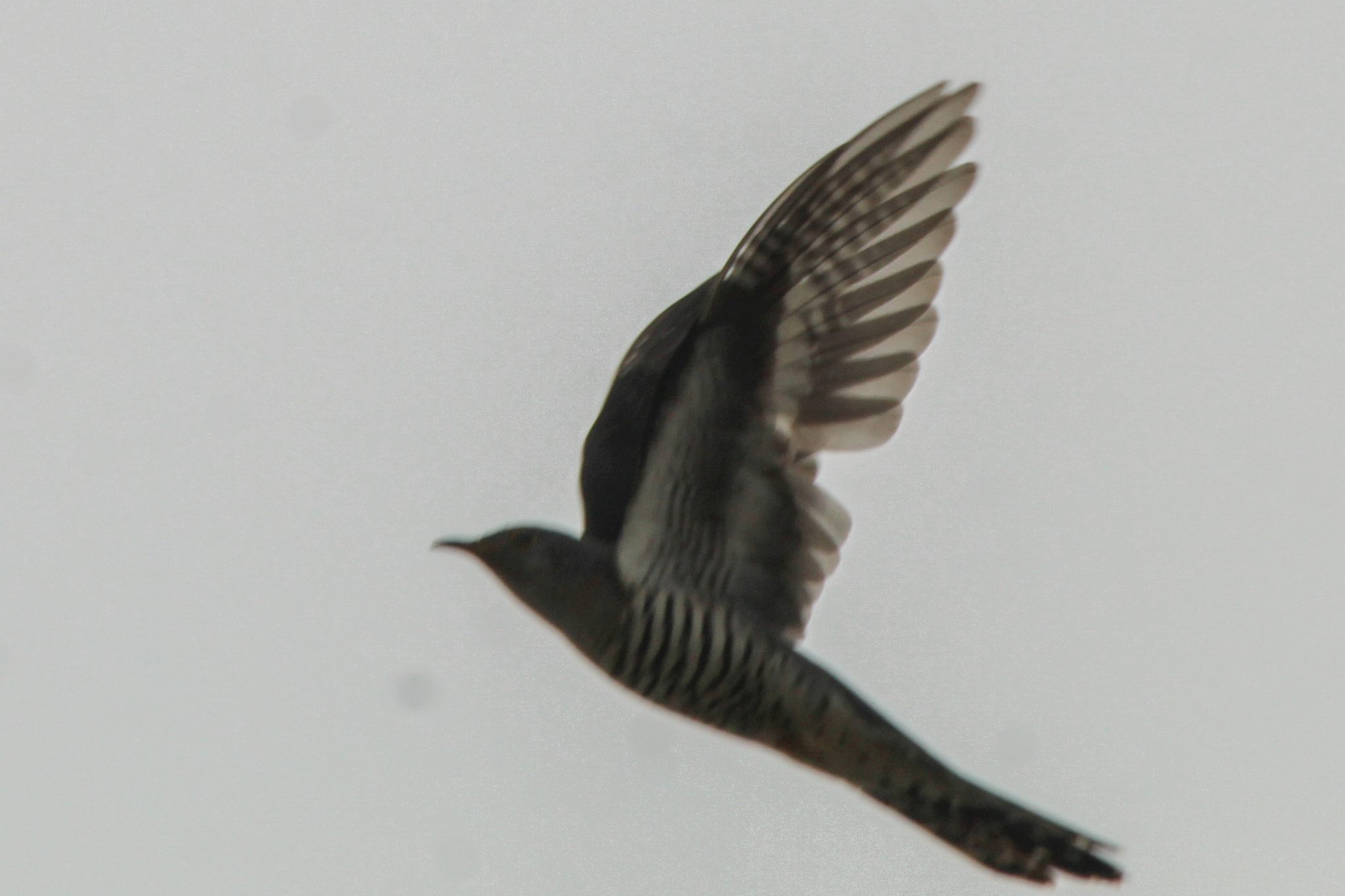
Madagascar Cuckoo (Cuculus rochii) Madagascar Cuckoo

Media

Loading…

In short

The Lesser Cuckoo and Madagascar Cuckoo are similar in appearance, but can be distinguished by their vocalizations and subtle plumage differences. Both species are medium-sized cuckoos with similar structure, making field identification challenging without close observation.

Identification tips

  1. Listen for vocalizations: The Lesser Cuckoo's call is more repetitive compared to the Madagascar Cuckoo. 2. Observe plumage carefully: Look for the greyish head and paler underbelly of the Lesser Cuckoo. 3. Consider location: Madagascar Cuckoo is endemic to Madagascar, while the Lesser Cuckoo has a broader range. 4. Note behavior: Both species are elusive, so patience is required for visual confirmation.

Size

Both species are similar in size, typical of medium-sized cuckoos, with no significant difference in overall dimensions.

Plumage

The Lesser Cuckoo typically has a greyish head and upperparts with a paler underbelly, while the Madagascar Cuckoo may appear slightly more uniform in coloration. However, plumage differences can be subtle and variable.

Behaviour

Both species exhibit typical cuckoo behavior, often remaining hidden in foliage and being more easily heard than seen.

Habitat

The Lesser Cuckoo is found in a variety of habitats including forests and open woodlands, while the Madagascar Cuckoo is primarily found in Madagascar's forests and wooded areas.

Voice

Vocalizations are a key differentiator: the Lesser Cuckoo has a distinctive, repetitive call that differs from the Madagascar Cuckoo's more varied vocal patterns.

Submit a better description

Use the same sections as the comparison. Your text is published immediately.

The Lesser Cuckoo and Madagascar Cuckoo are similar in appearance, but can be distinguished by their vocalizations and subtle plumage differences. Both species are medium-sized cuckoos with similar structure, making field identification challenging without close observation.

  1. Listen for vocalizations: The Lesser Cuckoo's call is more repetitive compared to the Madagascar Cuckoo. 2. Observe plumage carefully: Look for the greyish head and paler underbelly of the Lesser Cuckoo. 3. Consider location: Madagascar Cuckoo is endemic to Madagascar, while the Lesser Cuckoo has a broader range. 4. Note behavior: Both species are elusive, so patience is required for visual confirmation.

Both species are similar in size, typical of medium-sized cuckoos, with no significant difference in overall dimensions.

The Lesser Cuckoo typically has a greyish head and upperparts with a paler underbelly, while the Madagascar Cuckoo may appear slightly more uniform in coloration. However, plumage differences can be subtle and variable.

Both species exhibit typical cuckoo behavior, often remaining hidden in foliage and being more easily heard than seen.

The Lesser Cuckoo is found in a variety of habitats including forests and open woodlands, while the Madagascar Cuckoo is primarily found in Madagascar's forests and wooded areas.

Vocalizations are a key differentiator: the Lesser Cuckoo has a distinctive, repetitive call that differs from the Madagascar Cuckoo's more varied vocal patterns.

Discard your changes?

You have unsaved edits. If you leave now, those changes will be lost.

Lesser Cuckoo · Madagascar Cuckoo · My Tricky Birds