Birdr

Lesser Scaup vs Lesser Kestrel

Aythya affinis versus Falco naumanni

Play a quiz with Lesser Scaup and Lesser Kestrel
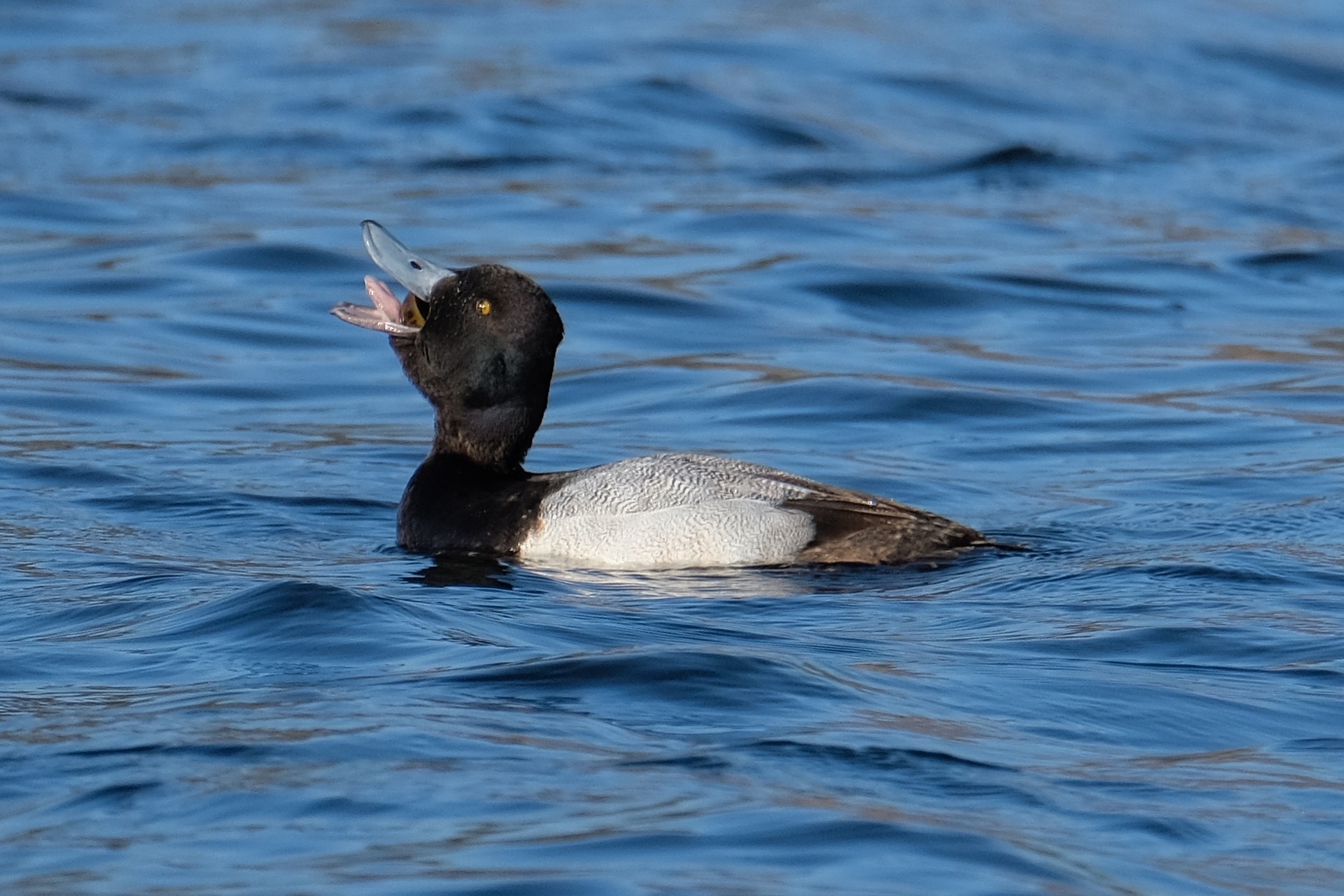
Lesser Scaup (Aythya affinis) Lesser Scaup
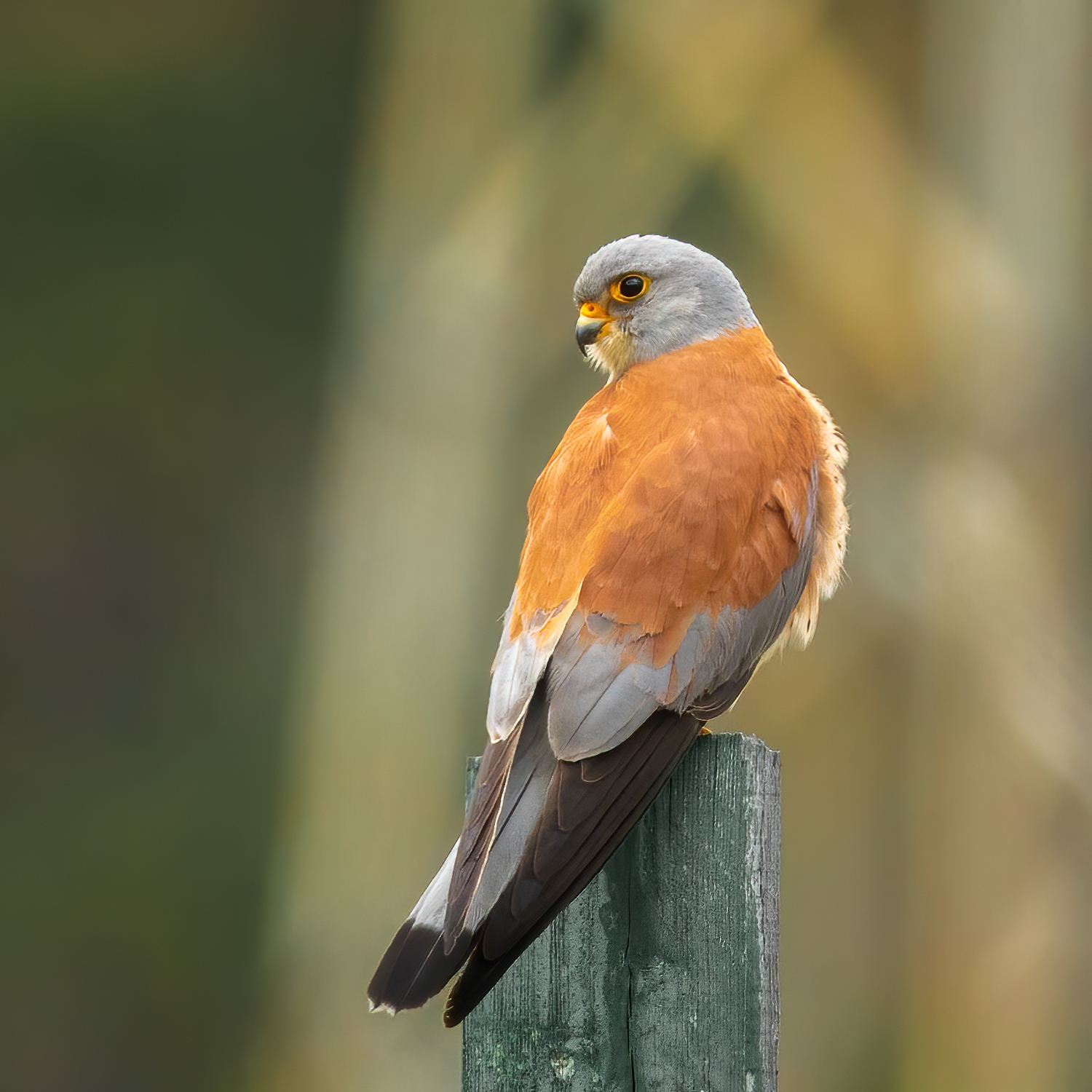
Lesser Kestrel (Falco naumanni) Lesser Kestrel

Media

Loading…

In short

The Lesser Scaup and Lesser Kestrel are not closely related and are easily distinguished by their habitats and behaviors. The Lesser Scaup is a waterfowl found near water bodies, while the Lesser Kestrel is a small falcon often seen in open fields and urban areas.

Identification tips

1. Habitat: Look for Lesser Scaup near water; Lesser Kestrels are in open areas. 2. Behavior: Scaups dive; Kestrels hover. 3. Size and Shape: Scaups are bulkier; Kestrels are slender. 4. Plumage: Scaup males have black and white contrast; Kestrel males have blue-grey and rusty tones. 5. Vocalization: Listen for the Kestrel's high-pitched call.

Size

The Lesser Scaup is a medium-sized duck, larger and bulkier than the small, slender Lesser Kestrel.

Plumage

Lesser Scaup males have a black head, chest, and rear with a white body, while females are brown with lighter sides. Lesser Kestrels have a more raptor-like appearance, with males showing blue-grey heads and rusty backs, and females being more uniformly brown.

Behaviour

Lesser Scaups are often seen diving in water for food, while Lesser Kestrels are frequently observed hovering or gliding in search of prey.

Habitat

Lesser Scaups are typically found in freshwater lakes and ponds, whereas Lesser Kestrels prefer open fields, grasslands, and sometimes urban areas.

Voice

Lesser Scaups are relatively quiet, often making soft whistles and grunts. Lesser Kestrels have a distinctive, high-pitched 'klee-klee-klee' call.

Submit a better description

Use the same sections as the comparison. Your text is published immediately.

The Lesser Scaup and Lesser Kestrel are not closely related and are easily distinguished by their habitats and behaviors. The Lesser Scaup is a waterfowl found near water bodies, while the Lesser Kestrel is a small falcon often seen in open fields and urban areas.

1. Habitat: Look for Lesser Scaup near water; Lesser Kestrels are in open areas. 2. Behavior: Scaups dive; Kestrels hover. 3. Size and Shape: Scaups are bulkier; Kestrels are slender. 4. Plumage: Scaup males have black and white contrast; Kestrel males have blue-grey and rusty tones. 5. Vocalization: Listen for the Kestrel's high-pitched call.

The Lesser Scaup is a medium-sized duck, larger and bulkier than the small, slender Lesser Kestrel.

Lesser Scaup males have a black head, chest, and rear with a white body, while females are brown with lighter sides. Lesser Kestrels have a more raptor-like appearance, with males showing blue-grey heads and rusty backs, and females being more uniformly brown.

Lesser Scaups are often seen diving in water for food, while Lesser Kestrels are frequently observed hovering or gliding in search of prey.

Lesser Scaups are typically found in freshwater lakes and ponds, whereas Lesser Kestrels prefer open fields, grasslands, and sometimes urban areas.

Lesser Scaups are relatively quiet, often making soft whistles and grunts. Lesser Kestrels have a distinctive, high-pitched 'klee-klee-klee' call.

Discard your changes?

You have unsaved edits. If you leave now, those changes will be lost.

Lesser Scaup · Lesser Kestrel · My Tricky Birds