Birdr

Lesser Whistling-Duck vs Common Quail

Dendrocygna javanica versus Coturnix coturnix

Play a quiz with Lesser Whistling-Duck and Common Quail

Lesser Whistling-Duck (Dendrocygna javanica) Lesser Whistling-Duck
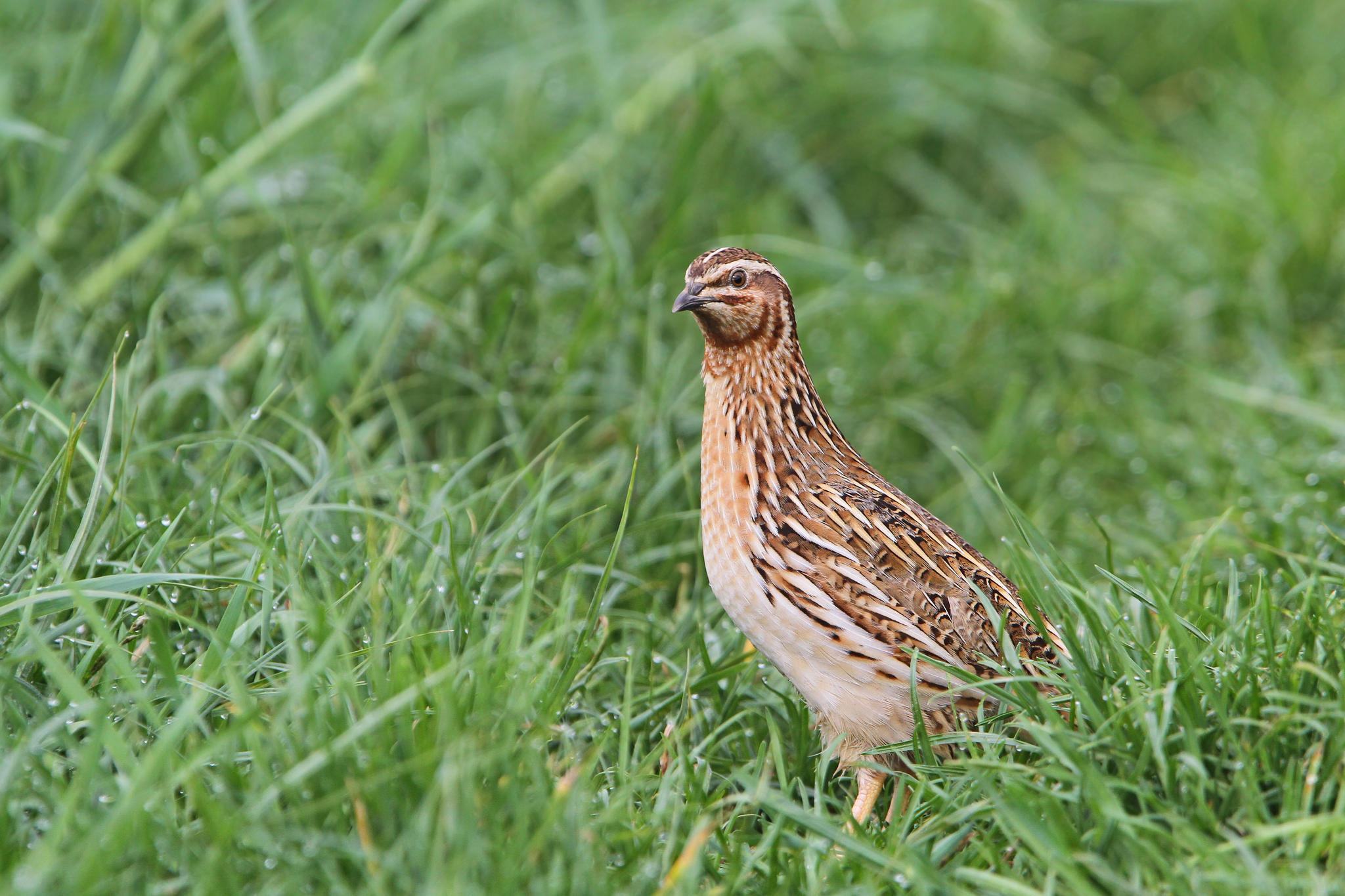
Common Quail (Coturnix coturnix) Common Quail

Media

Loading…

In short

The Lesser Whistling-Duck and the Common Quail are easily distinguished by their size and habitat preferences. The Lesser Whistling-Duck is a medium-sized waterfowl often found in wetlands, while the Common Quail is a small terrestrial bird typically seen in grasslands and fields. Observing their behavior and habitat is key to telling them apart in the field.

Identification tips

  1. Size and Shape: Look for the larger size and elongated neck of the Lesser Whistling-Duck compared to the small, round-bodied Common Quail. 2. Habitat: Check the environment; ducks are in water, quails in dry fields. 3. Behavior: Observe if the bird is swimming or walking on land. 4. Vocalization: Listen for the whistling of the duck or the 'wet-my-lips' call of the quail.

Size

The Lesser Whistling-Duck is significantly larger than the Common Quail. The duck is medium-sized, while the quail is small and compact.

Plumage

Lesser Whistling-Ducks have a predominantly brown body with a paler face and a distinctive rufous patch on the wings. Common Quails are more cryptically colored with mottled brown and buff plumage, aiding in camouflage.

Behaviour

Lesser Whistling-Ducks are often seen swimming or dabbling in water, sometimes in large flocks. Common Quails are ground-dwelling birds that prefer to walk or run through vegetation and are rarely seen flying.

Habitat

Lesser Whistling-Ducks inhabit wetlands, ponds, and marshes. In contrast, Common Quails are found in dry grasslands, agricultural fields, and open countryside.

Voice

Lesser Whistling-Ducks are known for their distinctive whistling calls, often heard in flight. Common Quails have a repetitive, rhythmic 'wet-my-lips' call, usually heard from the ground.

Submit a better description

Use the same sections as the comparison. Your text is published immediately.

The Lesser Whistling-Duck and the Common Quail are easily distinguished by their size and habitat preferences. The Lesser Whistling-Duck is a medium-sized waterfowl often found in wetlands, while the Common Quail is a small terrestrial bird typically seen in grasslands and fields. Observing their behavior and habitat is key to telling them apart in the field.

  1. Size and Shape: Look for the larger size and elongated neck of the Lesser Whistling-Duck compared to the small, round-bodied Common Quail. 2. Habitat: Check the environment; ducks are in water, quails in dry fields. 3. Behavior: Observe if the bird is swimming or walking on land. 4. Vocalization: Listen for the whistling of the duck or the 'wet-my-lips' call of the quail.

The Lesser Whistling-Duck is significantly larger than the Common Quail. The duck is medium-sized, while the quail is small and compact.

Lesser Whistling-Ducks have a predominantly brown body with a paler face and a distinctive rufous patch on the wings. Common Quails are more cryptically colored with mottled brown and buff plumage, aiding in camouflage.

Lesser Whistling-Ducks are often seen swimming or dabbling in water, sometimes in large flocks. Common Quails are ground-dwelling birds that prefer to walk or run through vegetation and are rarely seen flying.

Lesser Whistling-Ducks inhabit wetlands, ponds, and marshes. In contrast, Common Quails are found in dry grasslands, agricultural fields, and open countryside.

Lesser Whistling-Ducks are known for their distinctive whistling calls, often heard in flight. Common Quails have a repetitive, rhythmic 'wet-my-lips' call, usually heard from the ground.

Discard your changes?

You have unsaved edits. If you leave now, those changes will be lost.

Lesser Whistling-Duck · Common Quail · My Tricky Birds