
Lesser Yellowlegs vs Spotted Redshank
Tringa flavipes versus Tringa erythropus
Play a quiz with Lesser Yellowlegs and Spotted Redshank
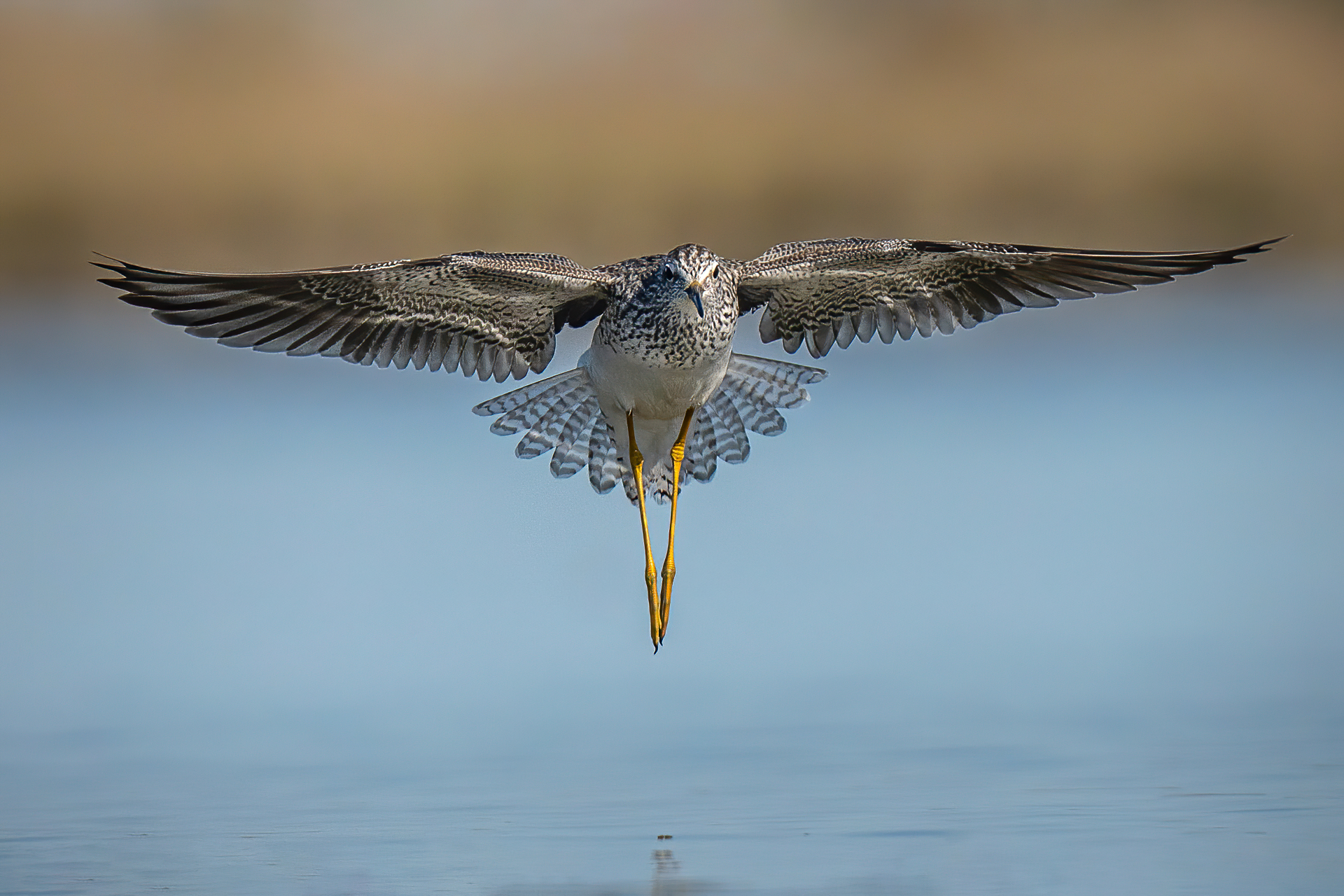 Lesser Yellowlegs
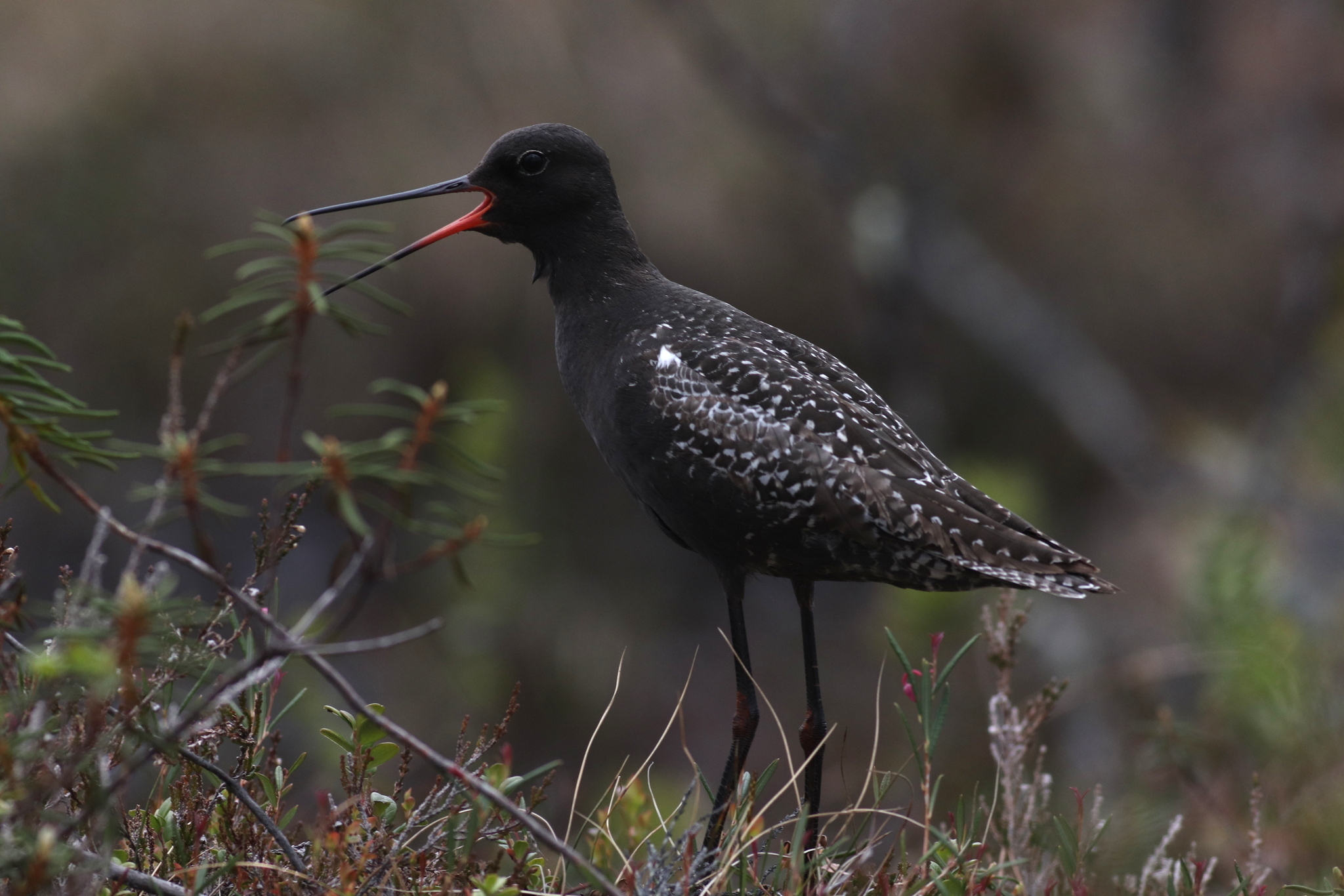 Spotted Redshank
In short
Lesser Yellowlegs and Spotted Redshank are both medium-sized shorebirds with long legs, but they can be distinguished by bill shape and plumage details. The Lesser Yellowlegs has a straight, slender bill and bright yellow legs, while the Spotted Redshank has a slightly upturned bill and, in breeding plumage, striking black plumage.
Identification tips
- Bill Shape: Lesser Yellowlegs have a straight, slender bill; Spotted Redshanks have a slightly upturned bill.
- Leg Color: Lesser Yellowlegs have bright yellow legs; Spotted Redshanks have reddish legs, especially in breeding plumage.
- Plumage: In breeding season, Spotted Redshanks are black, while Lesser Yellowlegs remain gray-brown.
- Call: Listen for the sharp 'tu-tu' of Lesser Yellowlegs versus the whistling call of Spotted Redshanks.
Size
Both species are similar in size, but the Spotted Redshank is generally slightly larger than the Lesser Yellowlegs.
Plumage
Lesser Yellowlegs have a more uniform gray-brown plumage with white underparts and distinct white spots on the back in non-breeding plumage. Spotted Redshanks in breeding plumage are almost entirely black, while in non-breeding plumage, they are gray with a white belly.
Behaviour
Lesser Yellowlegs often travel in small flocks and exhibit a graceful stride. Spotted Redshanks are more solitary during migration and often seen wading in deeper water.
Habitat
Lesser Yellowlegs are found in a variety of wetlands, including marshes and mudflats, during migration and winter. Spotted Redshanks prefer freshwater marshes and are more likely to be found in Europe and Asia during migration.
Voice
Lesser Yellowlegs have a distinctive, sharp 'tu-tu' call, while Spotted Redshanks have a more melodious, whistling call.