
Light-mantled Albatross vs White-capped Albatross
Phoebetria palpebrata versus Thalassarche cauta
Play a quiz with Light-mantled Albatross and White-capped Albatross
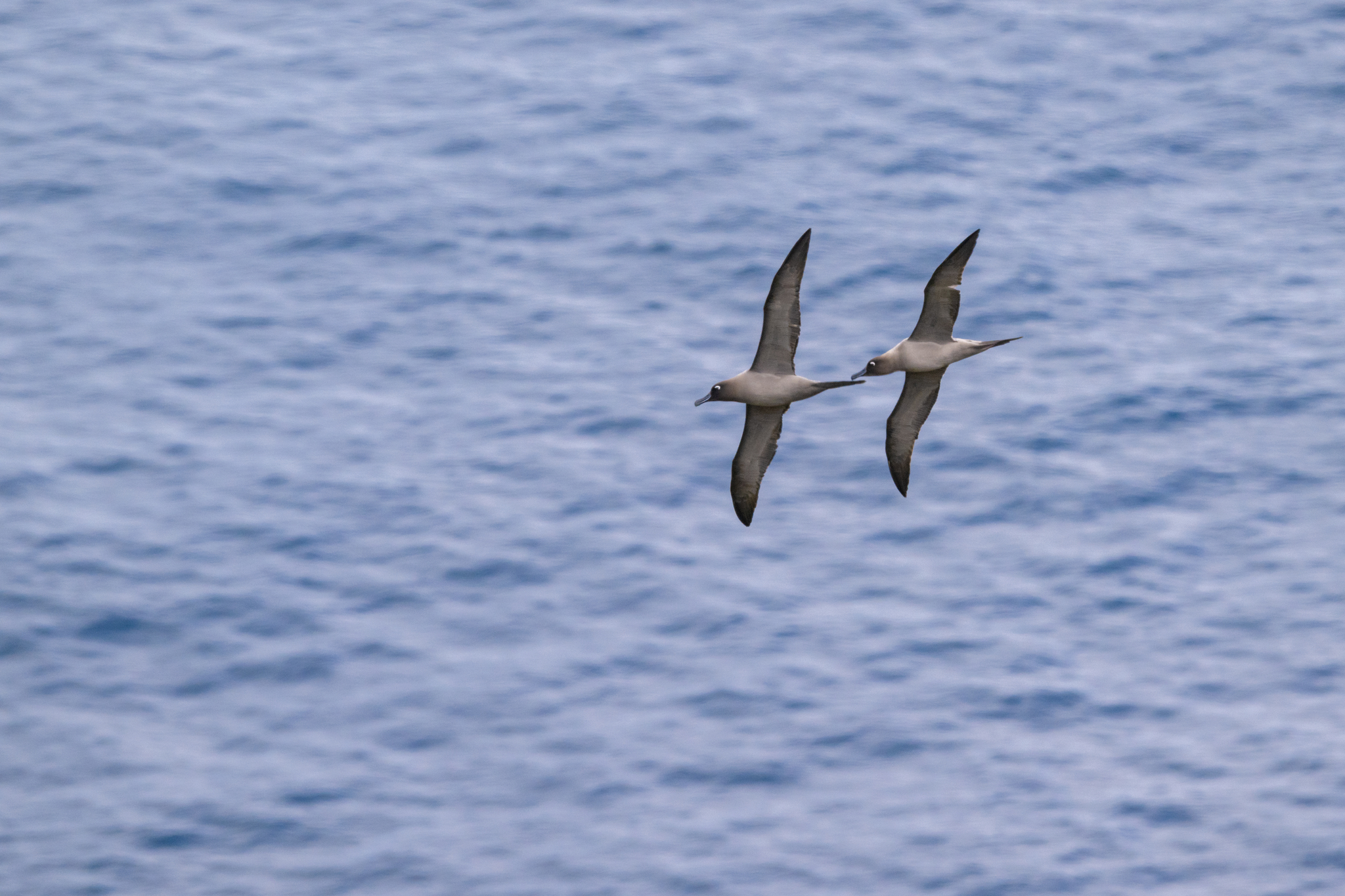 Light-mantled Albatross
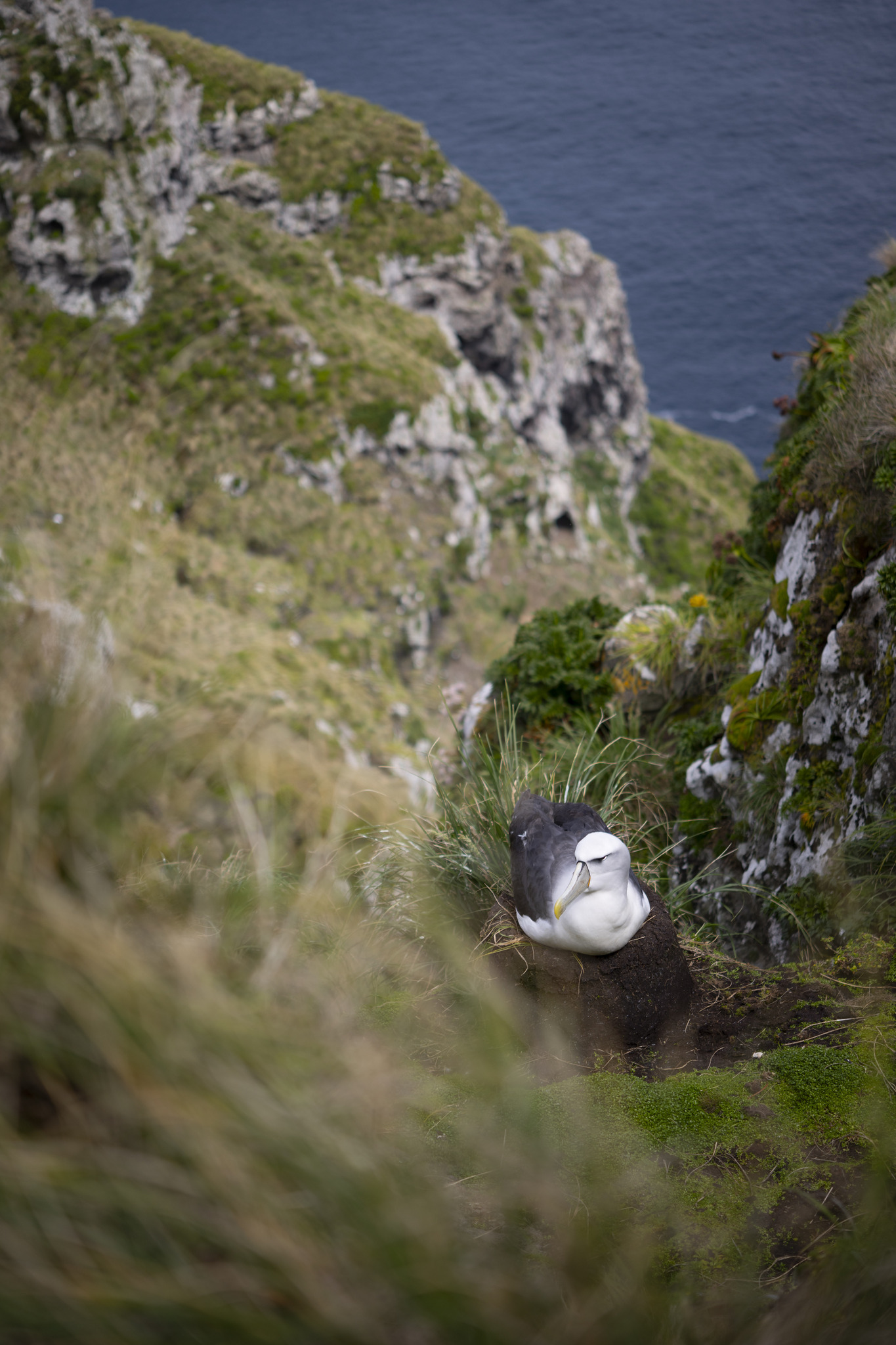 White-capped Albatross
In short
The Light-mantled Albatross and White-capped Albatross can be distinguished primarily by their plumage and structural differences. The Light-mantled Albatross has a distinctive dark mantle and a more slender build, while the White-capped Albatross features a white head and a robust body. Observing these features in good light is crucial for accurate identification.
Identification tips
- Look for plumage contrast: Light-mantled Albatross has a dark mantle and head, while White-capped Albatross has a white head.
- Check the build: Light-mantled is more slender, whereas White-capped is bulkier.
- Observe the habitat: Light-mantled is more likely in subantarctic waters.
- Note the flight style: Light-mantled may show more acrobatic flight.
Size
Both species are large seabirds, but the White-capped Albatross is slightly bulkier with a broader wingspan.
Plumage
The Light-mantled Albatross has a dark, chocolate-brown mantle and head with a paler body, creating a striking contrast. In contrast, the White-capped Albatross has a white head and nape, with a grey back and wings, making it appear lighter overall.
Behaviour
Both species exhibit similar soaring flight patterns typical of albatrosses, but the Light-mantled Albatross may be more frequently seen performing acrobatic maneuvers.
Habitat
Both species are pelagic and can be found in similar oceanic environments, often far from land. However, the Light-mantled Albatross is more associated with subantarctic waters.
Voice
Vocalizations are not a primary distinguishing feature in the field for these species, as both are generally silent at sea.
Light-mantled Albatross · White-capped Albatross · My Tricky Birds