
Little Bittern vs Little Egret
Botaurus minutus versus Egretta garzetta
Play a quiz with Little Bittern and Little Egret
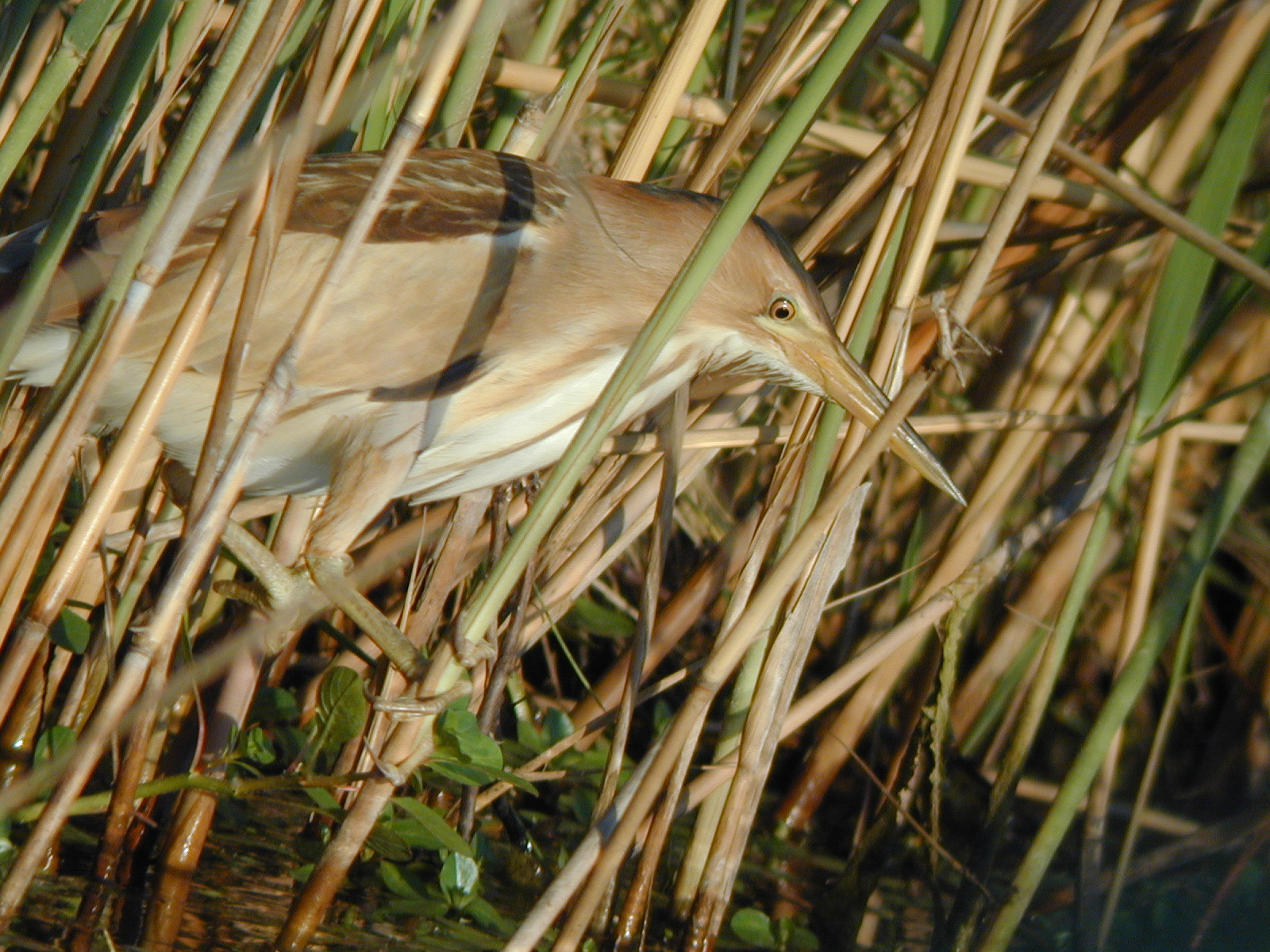 Little Bittern
 Little Egret
In short
The Little Bittern and Little Egret are both small herons, but they differ significantly in structure and plumage. Little Bitterns are more secretive and often found in dense reed beds, while Little Egrets are more conspicuous, often seen in open wetlands or fields.
Identification tips
- Size and Structure: Look for the smaller, more compact shape of the Little Bittern compared to the larger, slender Little Egret. 2. Plumage: Note the buff and black coloration of the Little Bittern versus the all-white plumage of the Little Egret. 3. Legs and Feet: Little Egrets have black legs with distinctive yellow feet, a key feature when seen in the open. 4. Habitat: Consider the habitat; Little Bitterns are more likely in dense reeds, while Little Egrets are often in open wetlands. 5. Behavior: Observe behavior; the secretive nature of Little Bitterns contrasts with the more visible foraging of Little Egrets.
Size
Little Bitterns are smaller and more compact than Little Egrets, which are larger and more slender.
Plumage
Little Bitterns have a buff and black plumage with a distinctive pale stripe on the wings, while Little Egrets are mostly white with black legs and yellow feet.
Behaviour
Little Bitterns are elusive and prefer to stay hidden in vegetation, whereas Little Egrets are more active and often seen foraging in open water or fields.
Habitat
Little Bitterns are typically found in dense reed beds and marshes, while Little Egrets are more adaptable, occupying a range of wetland habitats including rice fields and fish ponds.
Voice
Little Bitterns are generally quiet, making them harder to detect by sound, while Little Egrets may be more vocal, especially in breeding colonies.