Birdr

Little Grebe vs Lesser Black-backed Gull

Tachybaptus ruficollis versus Larus fuscus

Play a quiz with Little Grebe and Lesser Black-backed Gull
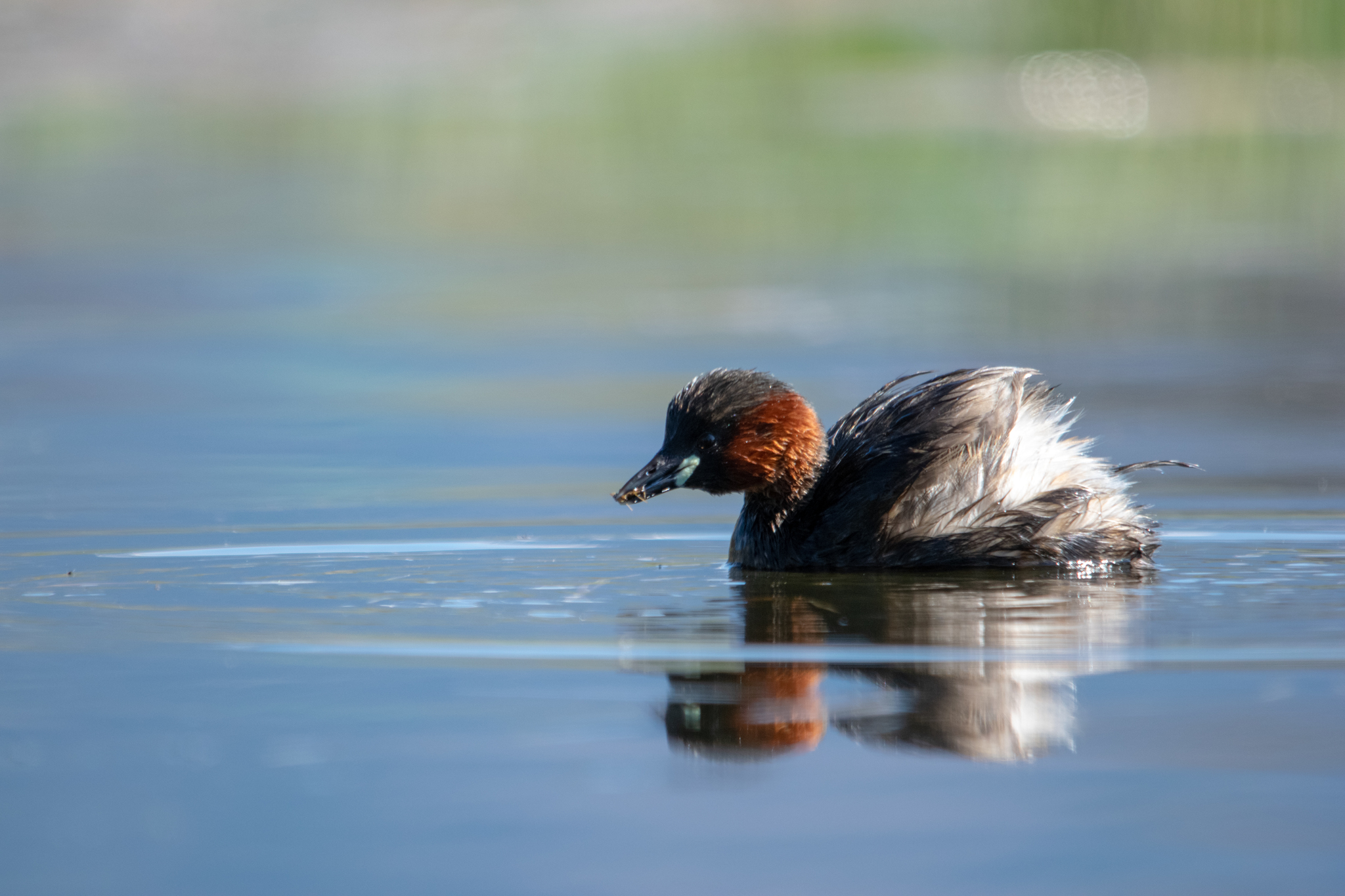
Little Grebe (Tachybaptus ruficollis) Little Grebe
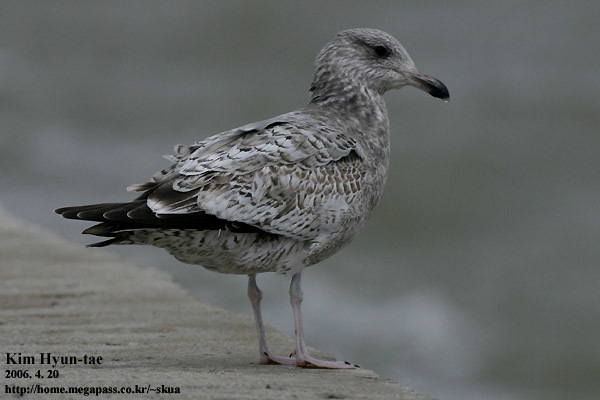
Lesser Black-backed Gull (Larus fuscus) Lesser Black-backed Gull

Media

Loading…

In short

The Little Grebe is a small, compact waterbird often found on freshwater bodies, while the Lesser Black-backed Gull is a larger, more robust bird typically seen along coastlines and larger inland waters. Their size and habitat preferences are the most reliable distinguishing features in the field.

Identification tips

  1. Size and Shape: Note the smaller, more compact shape of the Little Grebe compared to the larger, more robust Lesser Black-backed Gull. 2. Habitat: Look for Little Grebes on smaller freshwater bodies, while Lesser Black-backed Gulls are more coastal or on large inland waters. 3. Plumage: Observe the rufous neck of the Little Grebe versus the dark grey to black back of the Lesser Black-backed Gull. 4. Behavior: Watch for frequent diving by Little Grebes compared to the soaring or resting behavior of gulls.

Size

The Little Grebe is significantly smaller and more compact than the Lesser Black-backed Gull, which is a medium to large-sized gull.

Plumage

Little Grebes have a distinctive rufous neck and dark body, while Lesser Black-backed Gulls have a dark grey to black back and wings with a white head and underparts.

Behaviour

Little Grebes are often seen diving frequently in small ponds or lakes, while Lesser Black-backed Gulls are more likely to be seen soaring or resting in flocks along coasts or large lakes.

Habitat

Little Grebes prefer freshwater ponds and lakes, whereas Lesser Black-backed Gulls are more commonly found along coastlines, estuaries, and large inland water bodies.

Voice

Little Grebes have a distinctive trilling call, while Lesser Black-backed Gulls produce a variety of harsh calls typical of gulls.

Submit a better description

Use the same sections as the comparison. Your text is published immediately.

The Little Grebe is a small, compact waterbird often found on freshwater bodies, while the Lesser Black-backed Gull is a larger, more robust bird typically seen along coastlines and larger inland waters. Their size and habitat preferences are the most reliable distinguishing features in the field.

  1. Size and Shape: Note the smaller, more compact shape of the Little Grebe compared to the larger, more robust Lesser Black-backed Gull. 2. Habitat: Look for Little Grebes on smaller freshwater bodies, while Lesser Black-backed Gulls are more coastal or on large inland waters. 3. Plumage: Observe the rufous neck of the Little Grebe versus the dark grey to black back of the Lesser Black-backed Gull. 4. Behavior: Watch for frequent diving by Little Grebes compared to the soaring or resting behavior of gulls.

The Little Grebe is significantly smaller and more compact than the Lesser Black-backed Gull, which is a medium to large-sized gull.

Little Grebes have a distinctive rufous neck and dark body, while Lesser Black-backed Gulls have a dark grey to black back and wings with a white head and underparts.

Little Grebes are often seen diving frequently in small ponds or lakes, while Lesser Black-backed Gulls are more likely to be seen soaring or resting in flocks along coasts or large lakes.

Little Grebes prefer freshwater ponds and lakes, whereas Lesser Black-backed Gulls are more commonly found along coastlines, estuaries, and large inland water bodies.

Little Grebes have a distinctive trilling call, while Lesser Black-backed Gulls produce a variety of harsh calls typical of gulls.

Discard your changes?

You have unsaved edits. If you leave now, those changes will be lost.

Little Grebe · Lesser Black-backed Gull · My Tricky Birds