Birdr

Little Grebe vs Madagascar Grebe

Tachybaptus ruficollis versus Tachybaptus pelzelnii

Play a quiz with Little Grebe and Madagascar Grebe
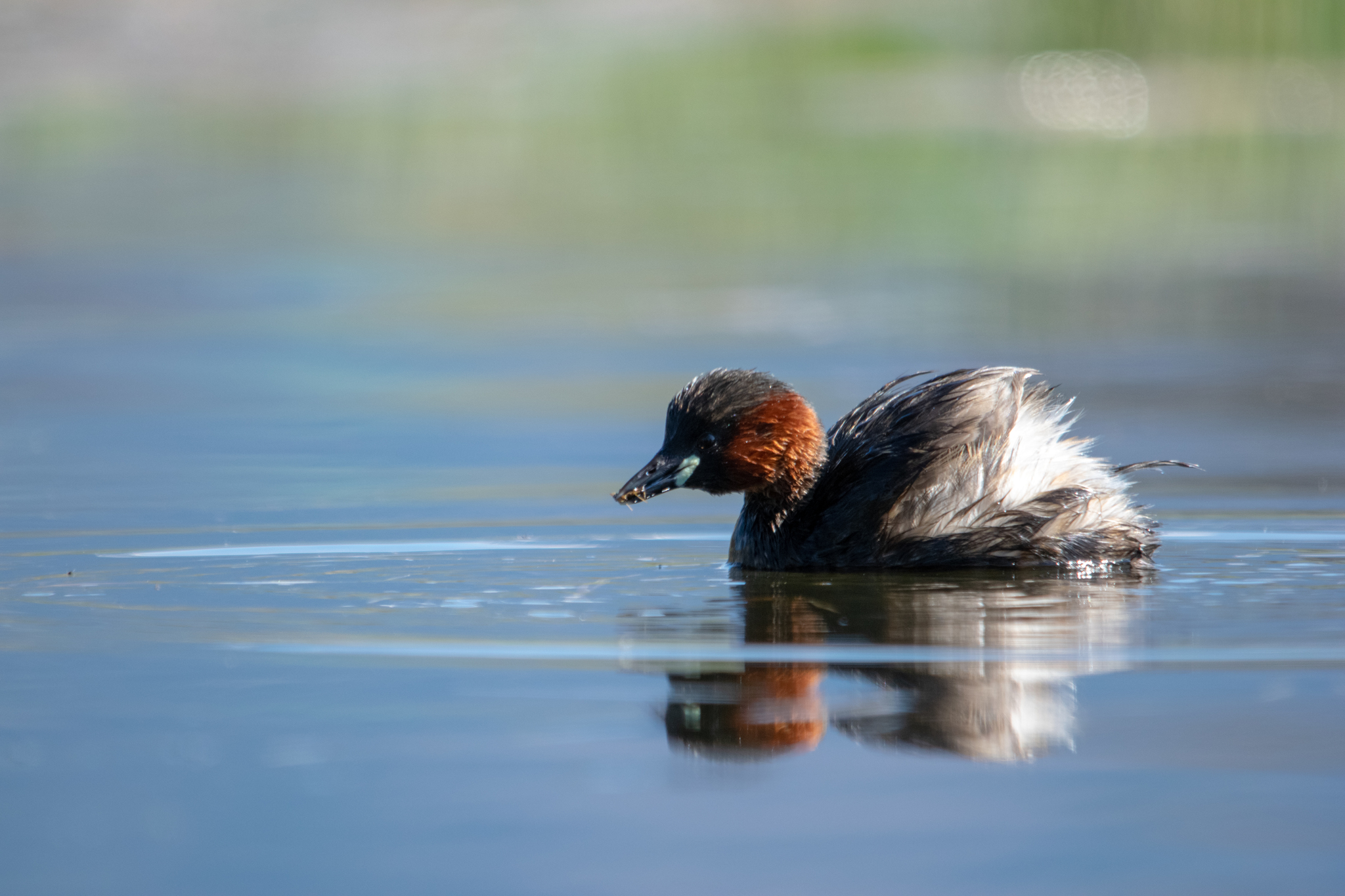
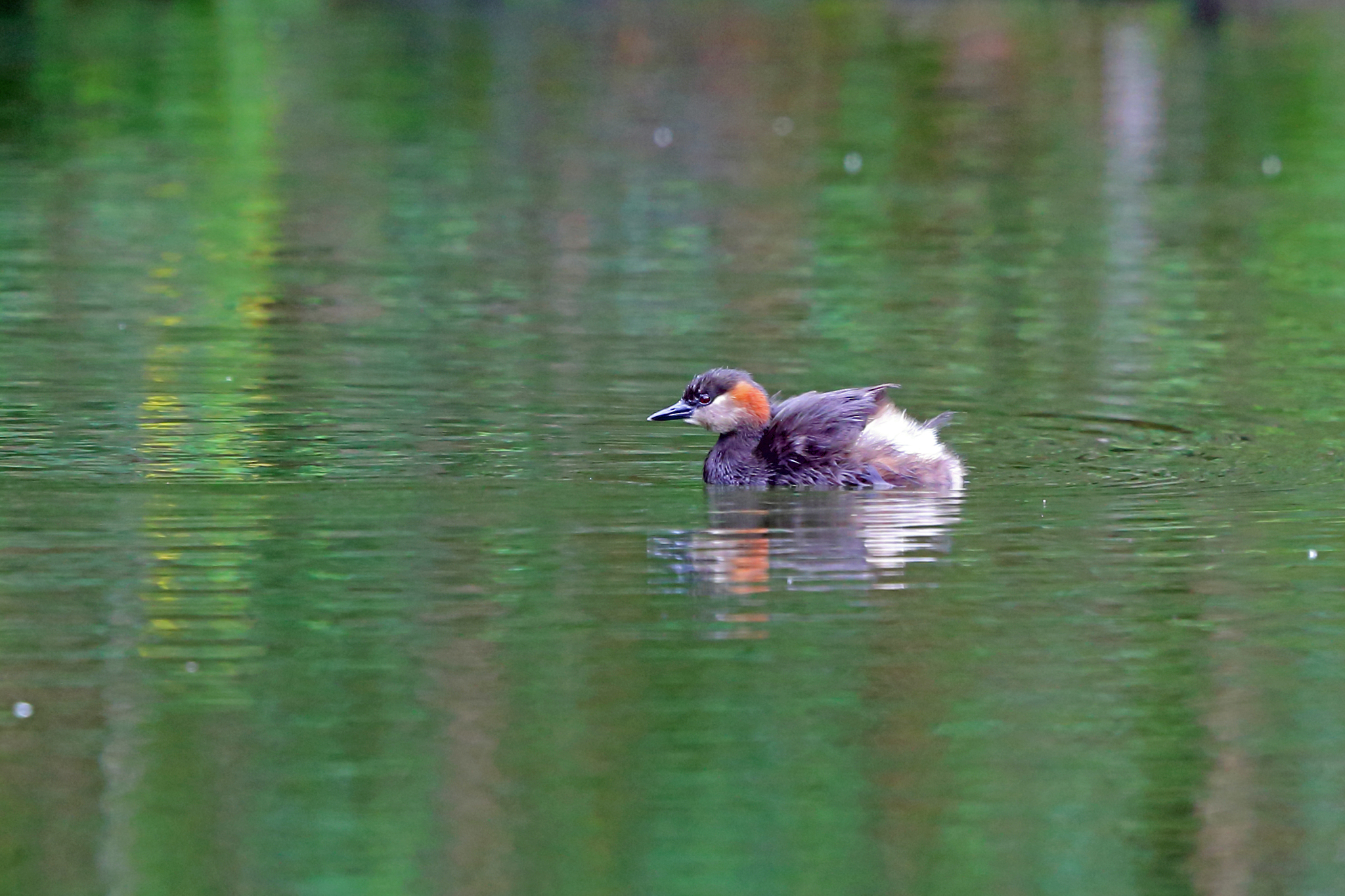
Little Grebe (Tachybaptus ruficollis) Little Grebe
Madagascar Grebe (Tachybaptus pelzelnii) Madagascar Grebe

Media

Loading…

In short

The Little Grebe and Madagascar Grebe are similar in structure but can be distinguished by their plumage and habitat preferences. The Little Grebe is more widespread and often found in a variety of freshwater habitats, while the Madagascar Grebe is endemic to Madagascar and prefers more specific locales.

Identification tips

Focus on location first: if you are in Madagascar, the bird is likely a Madagascar Grebe. Look for the Little Grebe's rufous neck in breeding plumage and its more uniform dark brown coloration. Check for habitat type, as the Madagascar Grebe is more restricted to specific freshwater environments.

Size

Both species are similar in size, being small grebes with compact bodies.

Plumage

The Little Grebe typically has a more uniform dark brown plumage with a distinctive rufous neck during the breeding season. The Madagascar Grebe, on the other hand, has a more contrasting appearance with a darker head and neck, and often shows a paler underbelly.

Behaviour

Both species exhibit similar diving behavior typical of grebes, often seen diving for fish and invertebrates.

Habitat

The Little Grebe is found in a wide range of freshwater habitats across its range, including ponds, lakes, and slow-moving rivers. The Madagascar Grebe is more restricted, primarily inhabiting freshwater lakes and marshes in Madagascar.

Voice

Vocalizations are not a primary distinguishing feature, but the Little Grebe is known for its trilling calls, which may differ from the Madagascar Grebe's vocal patterns.

Submit a better description

Use the same sections as the comparison. Your text is published immediately.

The Little Grebe and Madagascar Grebe are similar in structure but can be distinguished by their plumage and habitat preferences. The Little Grebe is more widespread and often found in a variety of freshwater habitats, while the Madagascar Grebe is endemic to Madagascar and prefers more specific locales.

Focus on location first: if you are in Madagascar, the bird is likely a Madagascar Grebe. Look for the Little Grebe's rufous neck in breeding plumage and its more uniform dark brown coloration. Check for habitat type, as the Madagascar Grebe is more restricted to specific freshwater environments.

Both species are similar in size, being small grebes with compact bodies.

The Little Grebe typically has a more uniform dark brown plumage with a distinctive rufous neck during the breeding season. The Madagascar Grebe, on the other hand, has a more contrasting appearance with a darker head and neck, and often shows a paler underbelly.

Both species exhibit similar diving behavior typical of grebes, often seen diving for fish and invertebrates.

The Little Grebe is found in a wide range of freshwater habitats across its range, including ponds, lakes, and slow-moving rivers. The Madagascar Grebe is more restricted, primarily inhabiting freshwater lakes and marshes in Madagascar.

Vocalizations are not a primary distinguishing feature, but the Little Grebe is known for its trilling calls, which may differ from the Madagascar Grebe's vocal patterns.

Discard your changes?

You have unsaved edits. If you leave now, those changes will be lost.

Little Grebe · Madagascar Grebe · My Tricky Birds