
Little Ringed Plover vs Bell's Vireo
Thinornis dubius versus Vireo bellii
Play a quiz with Little Ringed Plover and Bell's Vireo
 Little Ringed Plover
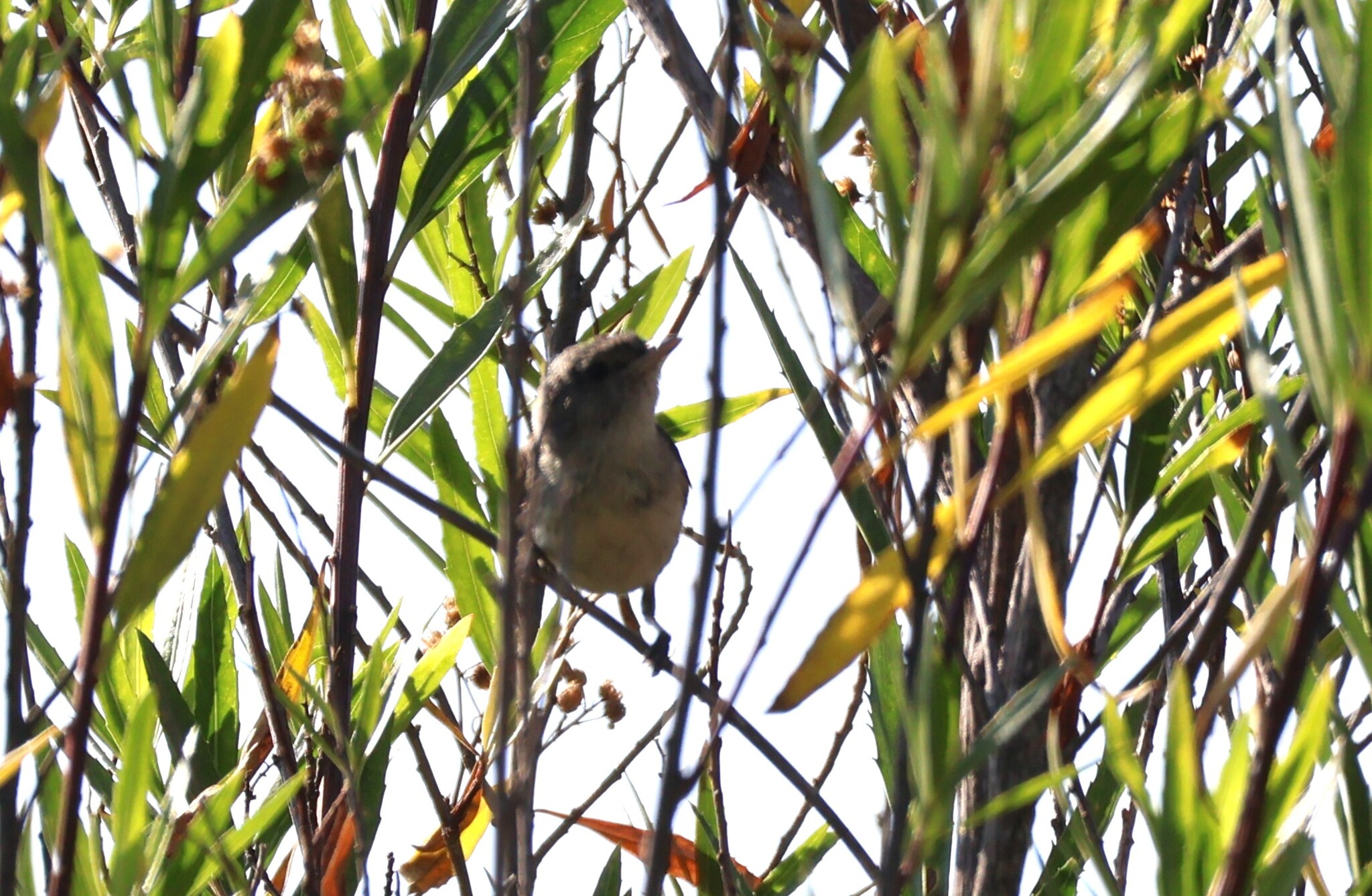 Bell's Vireo
In short
The Little Ringed Plover and Bell's Vireo are distinct in both appearance and habitat. The plover is a small wader with a distinctive black-and-white head pattern, while the vireo is a drab songbird with a complex song. They occupy different environments, with the plover favoring open, sandy or gravelly areas near water, and the vireo preferring shrubby or riparian habitats.
Identification tips
- Look for the black-and-white head pattern of the Little Ringed Plover, especially the black band across the forehead. 2. Note the drab plumage and complex song of Bell's Vireo. 3. Consider habitat: plovers are near open water, while vireos are in shrubby areas. 4. Observe behavior: plovers run and stop on open ground; vireos flit through foliage.
Size
The Little Ringed Plover is slightly larger and more robust than the Bell's Vireo, which is a small, slender songbird.
Plumage
The Little Ringed Plover has a striking black-and-white head pattern, with a black band across the forehead and a white supercilium. In contrast, Bell's Vireo is generally drab with no significant plumage differences between sexes, lacking the bold head markings of the plover.
Behaviour
Little Ringed Plovers are often seen running and stopping on open ground, while Bell's Vireos are more likely to be observed flitting through shrubs and low trees, often hidden by foliage.
Habitat
Little Ringed Plovers are typically found in open, sandy or gravelly areas near water, such as riverbanks and lakeshores. Bell's Vireos prefer shrubby or riparian habitats, including willow riparian and mesquite brushland.
Voice
The Little Ringed Plover's call is a soft, whistled 'peep', while Bell's Vireo has a complex, rapid sequence of notes often ending with an emphatic slurred note. The vireo's song is more varied and persistent, especially during the breeding season.