
Little Ringed Plover vs Grey-headed Lapwing
Thinornis dubius versus Vanellus cinereus
Play a quiz with Little Ringed Plover and Grey-headed Lapwing
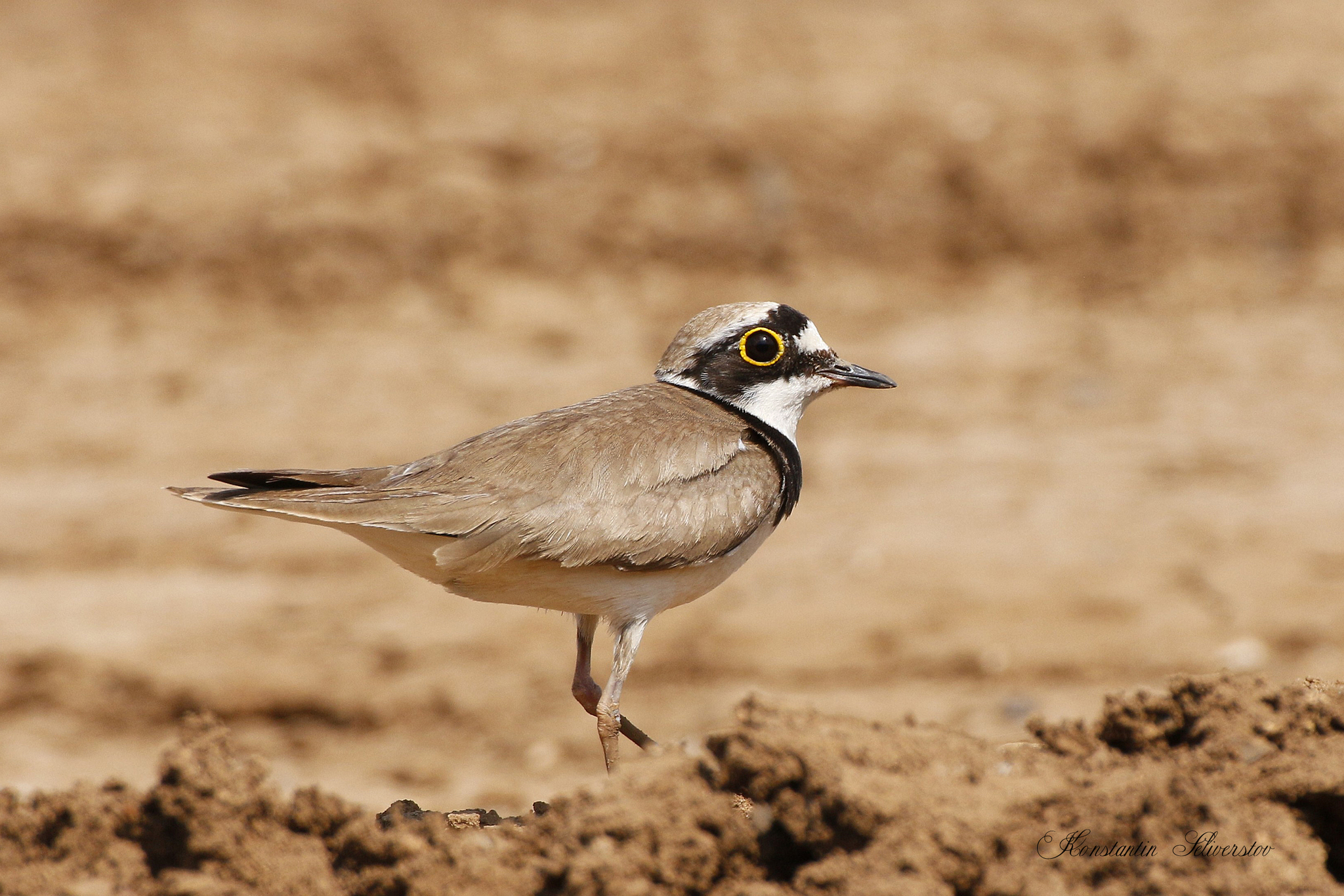 Little Ringed Plover
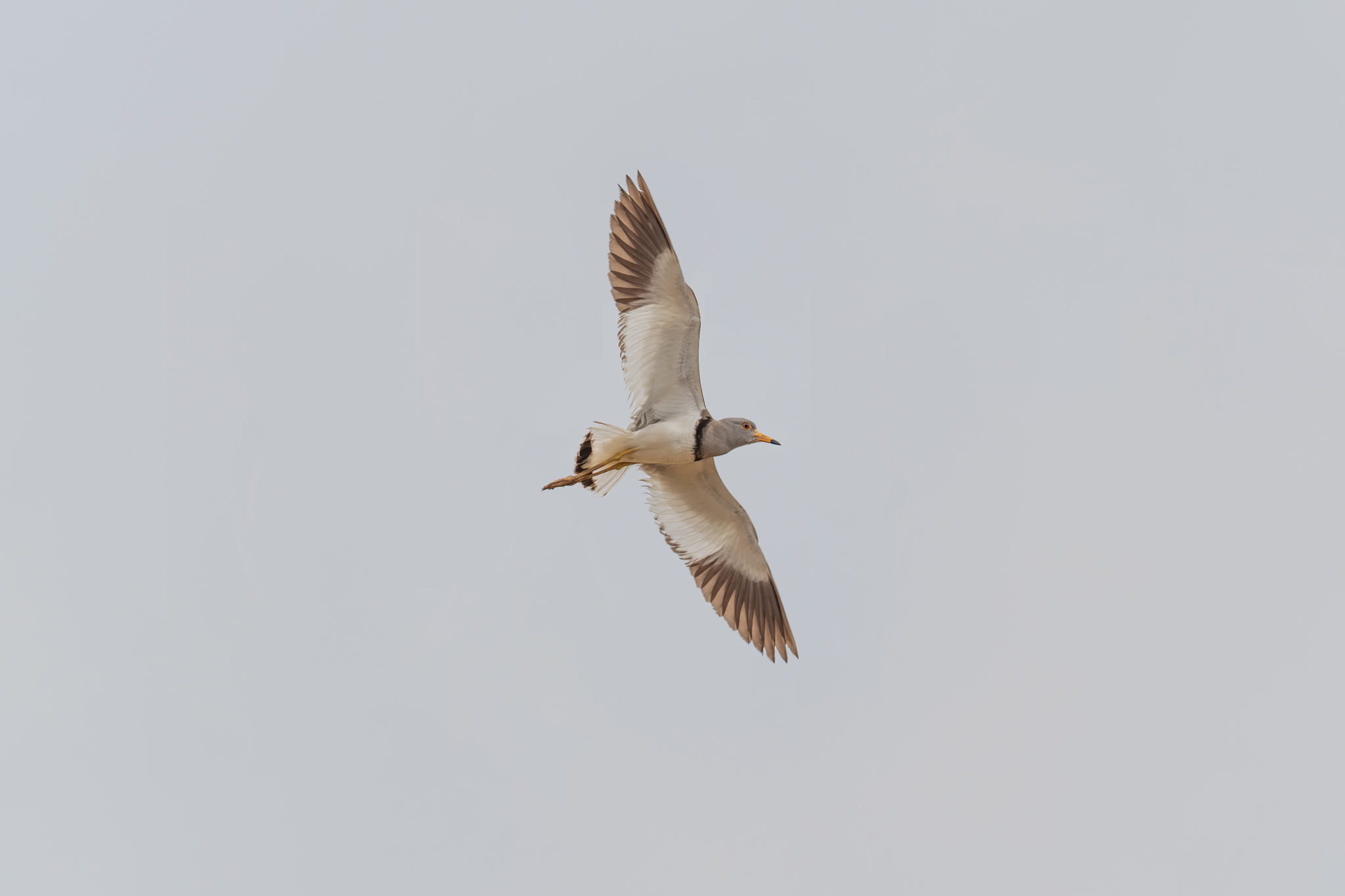 Grey-headed Lapwing
In short
The Little Ringed Plover and Grey-headed Lapwing are both members of the Charadriidae family but differ significantly in size and plumage. The Little Ringed Plover is much smaller with a distinctive black and white head pattern, while the Grey-headed Lapwing is larger with a grey head and yellow legs.
Identification tips
- Size: Note the size difference; the Grey-headed Lapwing is significantly larger. 2. Head Pattern: Look for the Little Ringed Plover's black mask and white forehead versus the Grey-headed Lapwing's grey head. 3. Leg Color: The Grey-headed Lapwing has yellow legs, which are a key distinguishing feature. 4. Habitat: Consider the habitat; Little Ringed Plovers are more likely near sandy shores, while Grey-headed Lapwings are found in wet fields.
Size
The Little Ringed Plover is small, typically around 15 cm in length, whereas the Grey-headed Lapwing is much larger, about 34 cm.
Plumage
The Little Ringed Plover has a black mask and white forehead, with a brown back and wings. The Grey-headed Lapwing has a grey head, white belly, and brown wings, with a noticeable yellow eye-ring and legs.
Behaviour
Little Ringed Plovers are often seen running in short bursts and stopping abruptly, while Grey-headed Lapwings are more likely to be seen walking steadily through fields or wetlands.
Habitat
Little Ringed Plovers prefer sandy or gravelly riverbanks and lakeshores, while Grey-headed Lapwings are found in wet grasslands, rice fields, and marshy areas.
Voice
Little Ringed Plovers have a soft, whistled call, while Grey-headed Lapwings produce a louder, more strident call.
Little Ringed Plover · Grey-headed Lapwing · My Tricky Birds