Birdr

Little Rush Warbler vs Ashy Flycatcher

Bradypterus baboecala versus Fraseria caerulescens

Play a quiz with Little Rush Warbler and Ashy Flycatcher
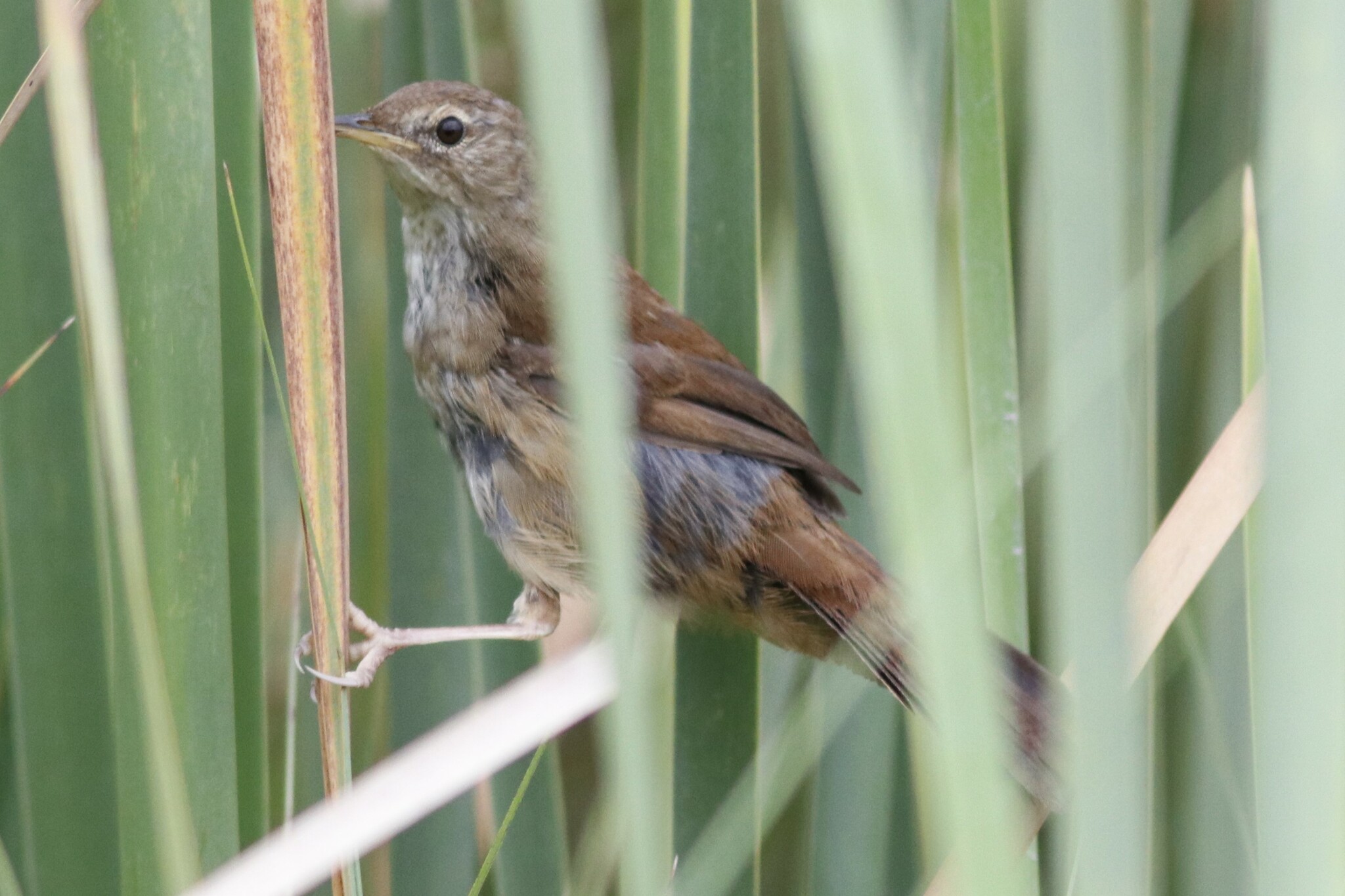
Little Rush Warbler (Bradypterus baboecala) Little Rush Warbler
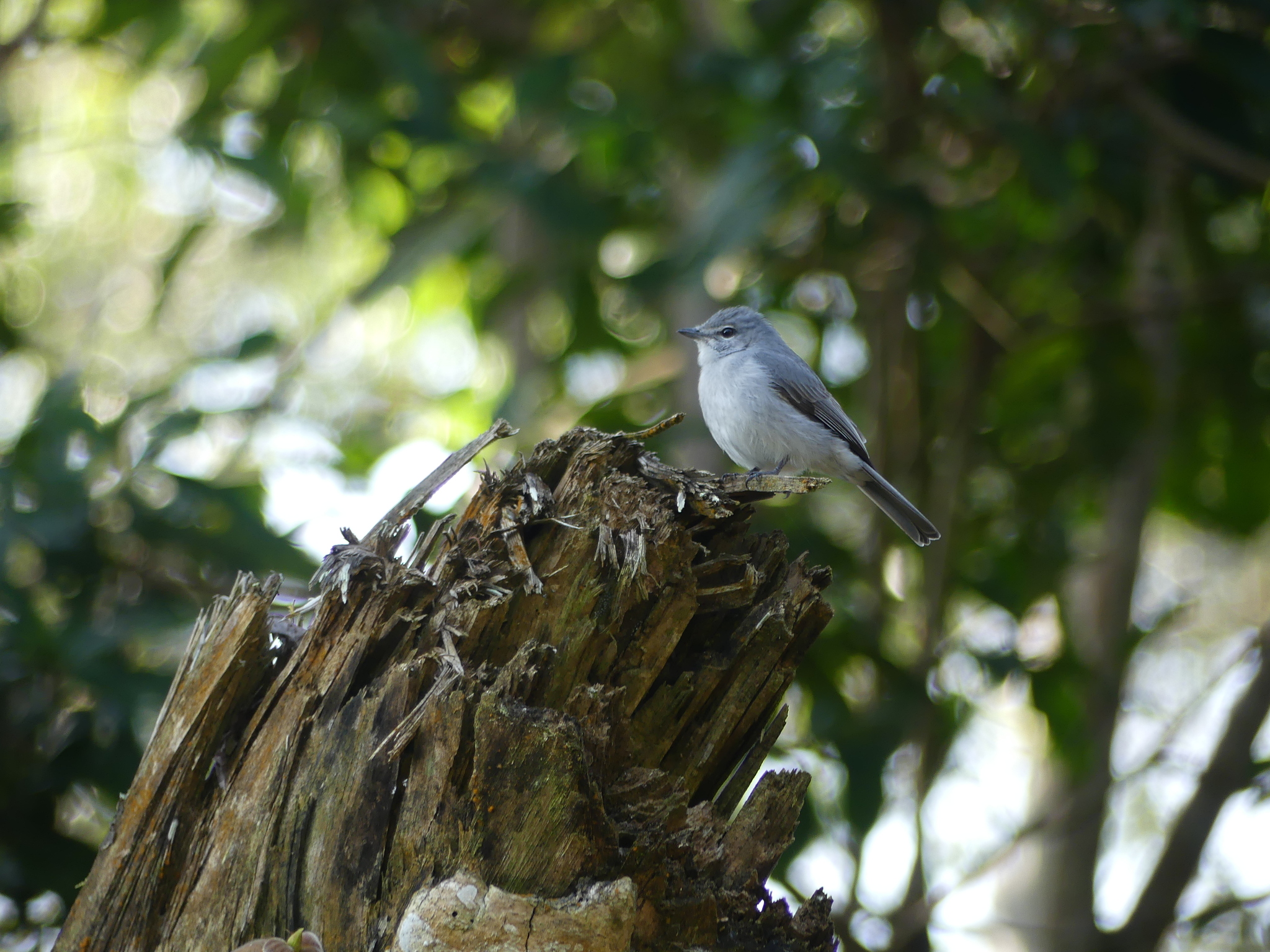
Ashy Flycatcher (Fraseria caerulescens) Ashy Flycatcher

Media

Loading…

In short

The Little Rush Warbler is a small, rufous-brown bird often found in dense reeds, while the Ashy Flycatcher is a greyish bird typically seen in forested areas. Key differences include habitat preference and plumage coloration.

Identification tips

  1. Check habitat: Little Rush Warblers are in reeds; Ashy Flycatchers in forests. 2. Observe plumage: Look for rufous tones in the Little Rush Warbler. 3. Listen for song: Little Rush Warbler has a repetitive song; Ashy Flycatcher's call is simpler. 4. Note behavior: Little Rush Warblers are more secretive; Ashy Flycatchers are active and visible.

Size

The Little Rush Warbler is generally smaller than the Ashy Flycatcher, with a more compact body.

Plumage

The Little Rush Warbler is rufous-brown above with browner sides and posterior underparts, and lacks throat streaks. In contrast, the Ashy Flycatcher is predominantly greyish with no rufous tones.

Behaviour

Little Rush Warblers are often seen skulking in dense vegetation, while Ashy Flycatchers are more active and conspicuous, often sallying for insects.

Habitat

Little Rush Warblers are typically found in dense reedbeds and marshy areas, whereas Ashy Flycatchers prefer forested environments.

Voice

The Little Rush Warbler has a distinctive, repetitive song often heard in its marshy habitat, while the Ashy Flycatcher's call is less well-documented but generally consists of simple, melodious notes.

Submit a better description

Use the same sections as the comparison. Your text is published immediately.

The Little Rush Warbler is a small, rufous-brown bird often found in dense reeds, while the Ashy Flycatcher is a greyish bird typically seen in forested areas. Key differences include habitat preference and plumage coloration.

  1. Check habitat: Little Rush Warblers are in reeds; Ashy Flycatchers in forests. 2. Observe plumage: Look for rufous tones in the Little Rush Warbler. 3. Listen for song: Little Rush Warbler has a repetitive song; Ashy Flycatcher's call is simpler. 4. Note behavior: Little Rush Warblers are more secretive; Ashy Flycatchers are active and visible.

The Little Rush Warbler is generally smaller than the Ashy Flycatcher, with a more compact body.

The Little Rush Warbler is rufous-brown above with browner sides and posterior underparts, and lacks throat streaks. In contrast, the Ashy Flycatcher is predominantly greyish with no rufous tones.

Little Rush Warblers are often seen skulking in dense vegetation, while Ashy Flycatchers are more active and conspicuous, often sallying for insects.

Little Rush Warblers are typically found in dense reedbeds and marshy areas, whereas Ashy Flycatchers prefer forested environments.

The Little Rush Warbler has a distinctive, repetitive song often heard in its marshy habitat, while the Ashy Flycatcher's call is less well-documented but generally consists of simple, melodious notes.

Discard your changes?

You have unsaved edits. If you leave now, those changes will be lost.

Little Rush Warbler · Ashy Flycatcher · My Tricky Birds