
Little Stint vs Pectoral Sandpiper
Calidris minuta versus Calidris melanotos
Play a quiz with Little Stint and Pectoral Sandpiper
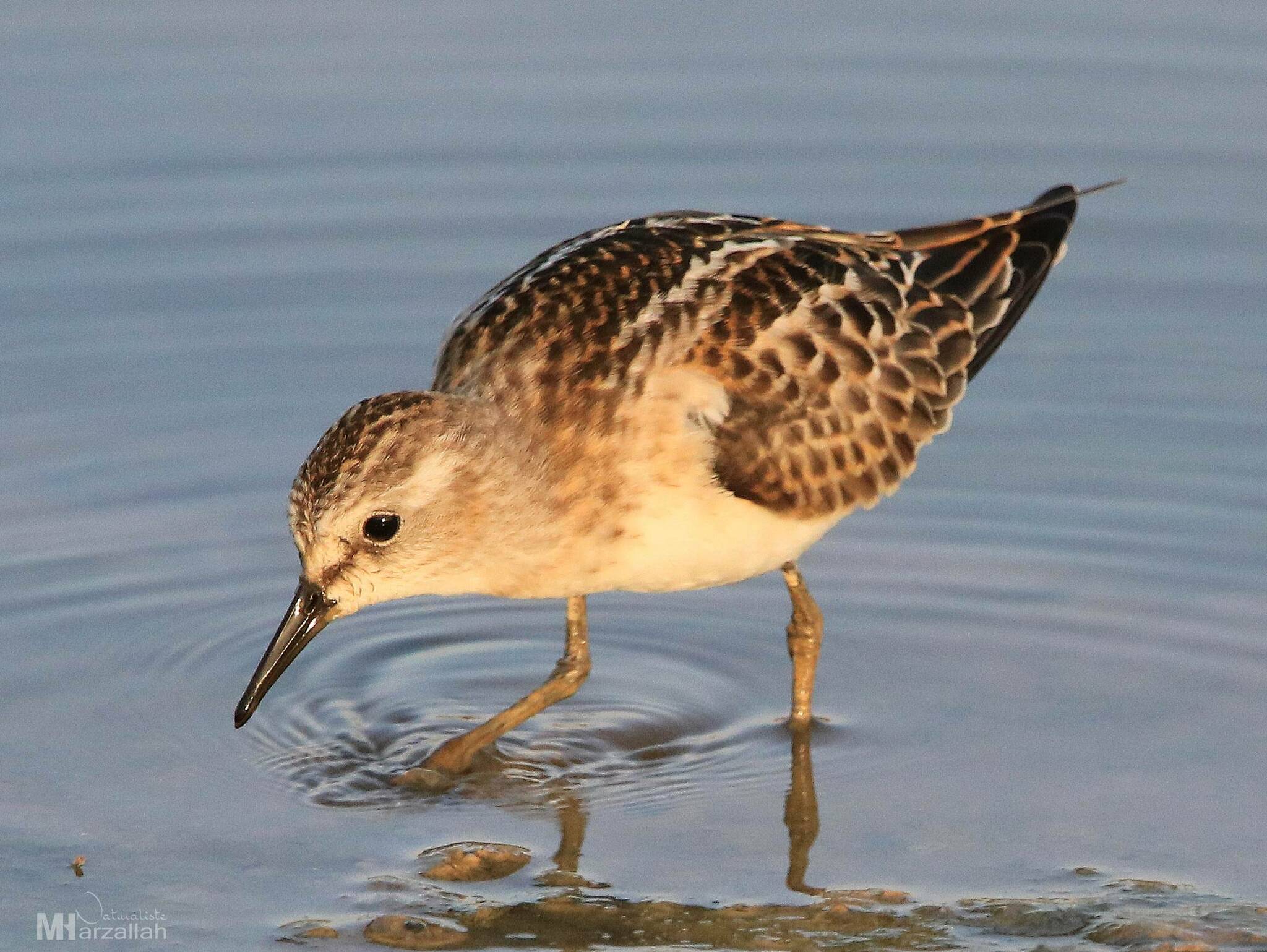 Little Stint
 Pectoral Sandpiper
In short
The Little Stint is a small, compact sandpiper with a short bill, while the Pectoral Sandpiper is larger and more elongated, with a distinctive breast band. These species can be differentiated by size, structure, and plumage details, especially during migration when they might overlap.
Identification tips
- Size: Little Stint is much smaller than Pectoral Sandpiper.
- Bill: Little Stint has a shorter, finer bill compared to the longer, slightly drooping bill of the Pectoral Sandpiper.
- Breast Band: Look for the Pectoral Sandpiper's distinct dark breast band.
- Leg Color: Little Stint typically has darker legs compared to the yellowish legs of the Pectoral Sandpiper.
- Voice: Listen for the Pectoral Sandpiper's unique hooting calls during the breeding season.
Size
Little Stint is significantly smaller than the Pectoral Sandpiper, which is medium-sized and more elongated.
Plumage
Little Stint has a more uniform plumage with a clean white belly, while the Pectoral Sandpiper features a distinctive dark breast band that sharply contrasts with its white belly.
Behaviour
Both species forage in similar ways, but the Pectoral Sandpiper may be observed performing its unique display flight during the breeding season, which is not seen in Little Stints.
Habitat
Little Stints are often found in coastal mudflats and freshwater wetlands, whereas Pectoral Sandpipers prefer grassy marshes and tundra during breeding, and wet fields during migration.
Voice
Pectoral Sandpipers have a unique series of hollow hoots during the breeding season, which are not produced by Little Stints.