Birdr

Loggerhead Shrike vs Clark's Nutcracker

Lanius ludovicianus versus Nucifraga columbiana

Play a quiz with Loggerhead Shrike and Clark's Nutcracker
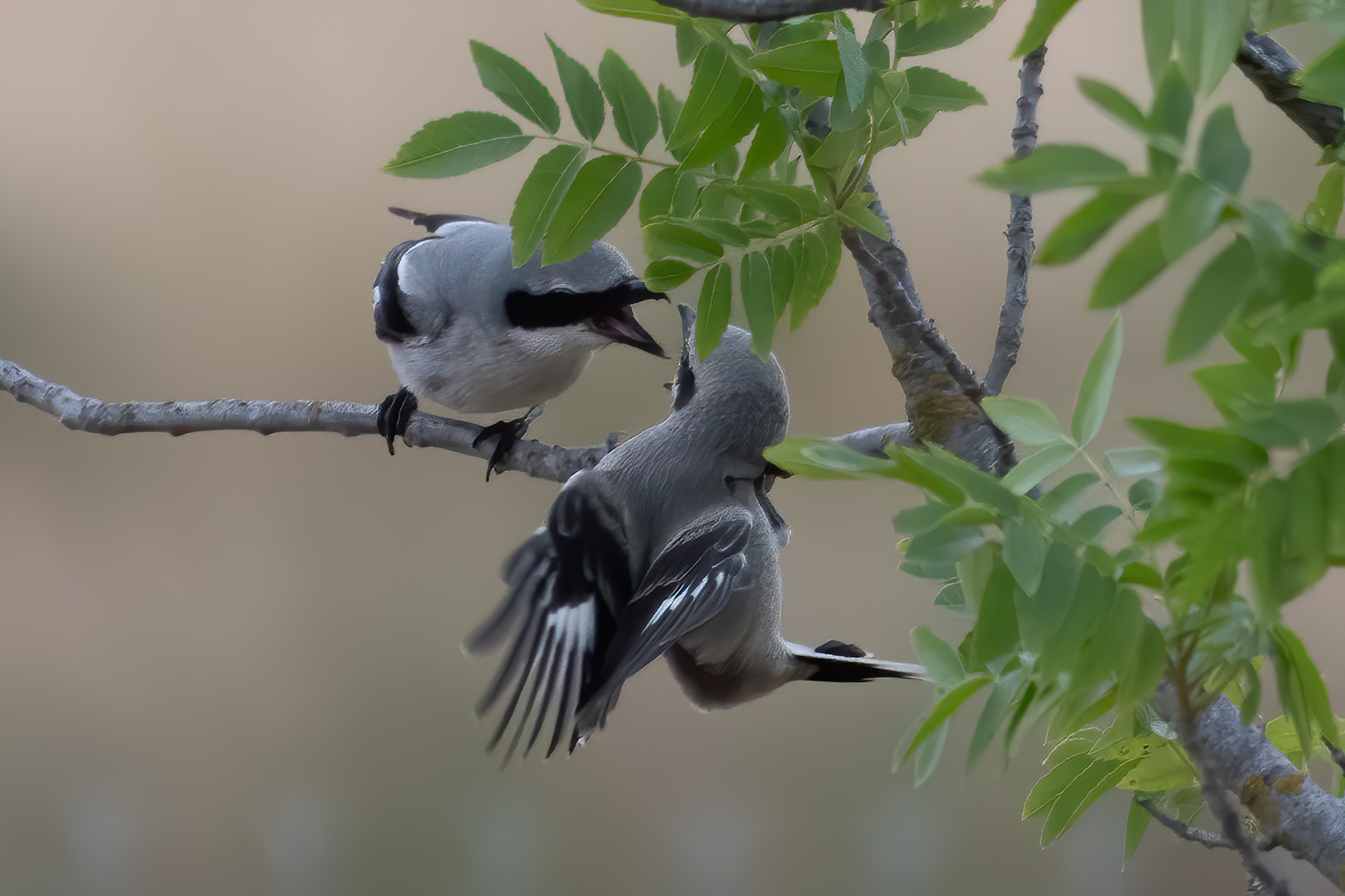
Loggerhead Shrike (Lanius ludovicianus) Loggerhead Shrike
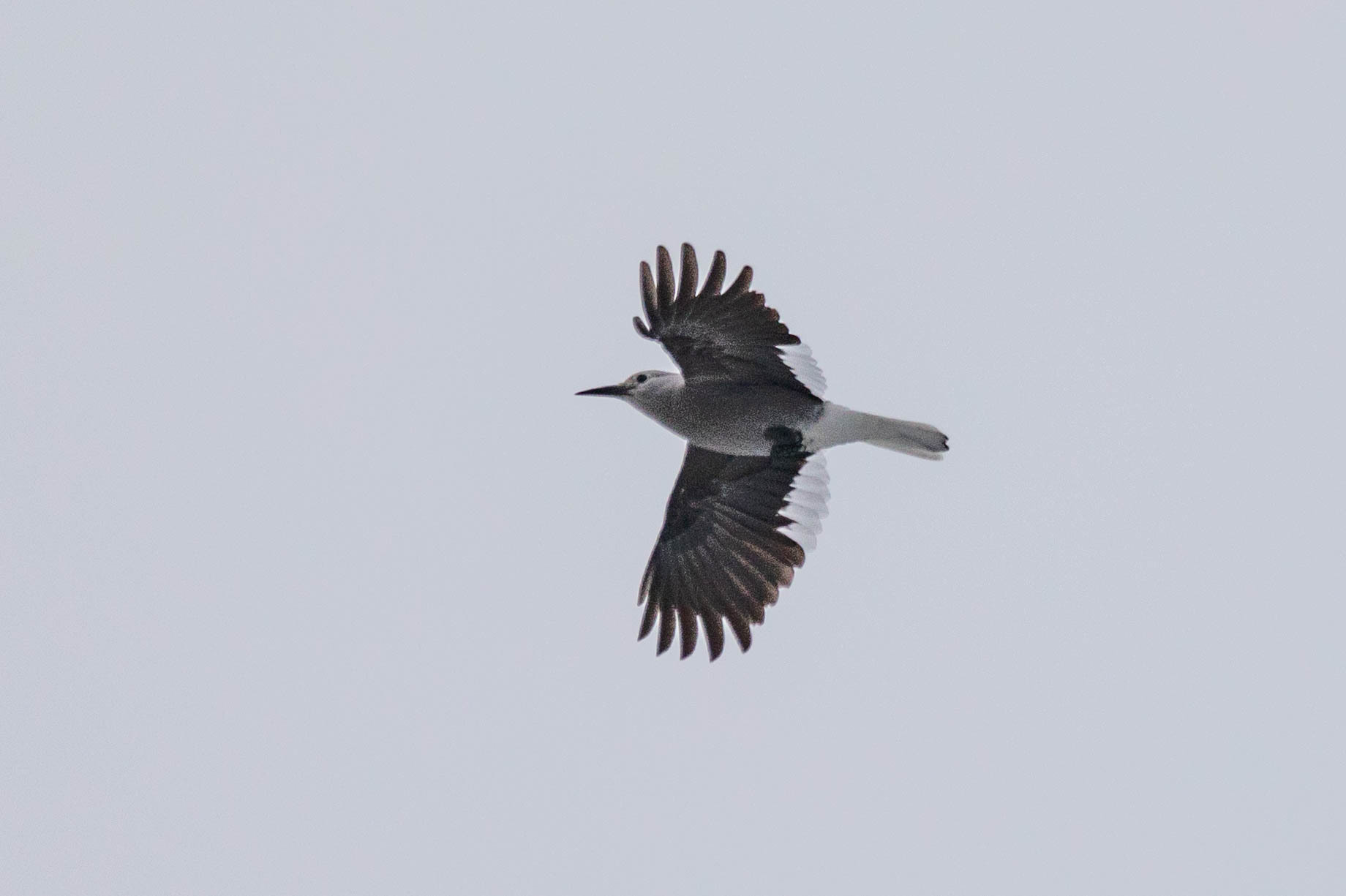
Clark's Nutcracker (Nucifraga columbiana) Clark's Nutcracker

Media

Loading…

In short

The Loggerhead Shrike and Clark's Nutcracker are distinct in both appearance and habitat preferences. The shrike is a small, predatory songbird with a large head and hooked bill, while the nutcracker is a larger corvid with a long, sharp bill adapted for seed extraction. Both species occupy different ecological niches, with the shrike favoring open habitats and the nutcracker associated with coniferous forests.

Identification tips

1. Size and Shape: Use size as a primary clue; the nutcracker is much larger. 2. Bill: Note the shrike's hooked bill versus the nutcracker's long, straight bill. 3. Plumage: Look for the shrike's black mask and white wing patches. 4. Habitat: Consider the environment; shrikes in open areas, nutcrackers in coniferous forests. 5. Behavior: Observe feeding behavior; shrikes impale prey, nutcrackers cache seeds.

Size

Clark's Nutcracker is significantly larger than the Loggerhead Shrike, resembling a crow in size, whereas the shrike is more akin to a small songbird.

Plumage

Loggerhead Shrike is gray with a distinctive black mask and white wing patches, while Clark's Nutcracker is mostly gray with black wings and tail, and lacks the shrike's facial mask.

Behaviour

Loggerhead Shrike is known for impaling prey on thorns or barbed wire, a behavior not seen in Clark's Nutcracker, which is more focused on caching seeds.

Habitat

Loggerhead Shrike inhabits open areas like grasslands and ecotones, whereas Clark's Nutcracker is found in montane coniferous forests, often near pine trees.

Voice

Loggerhead Shrike has a varied song with harsh notes, while Clark's Nutcracker produces loud, harsh calls typical of corvids.

Submit a better description

Use the same sections as the comparison. Your text is published immediately.

The Loggerhead Shrike and Clark's Nutcracker are distinct in both appearance and habitat preferences. The shrike is a small, predatory songbird with a large head and hooked bill, while the nutcracker is a larger corvid with a long, sharp bill adapted for seed extraction. Both species occupy different ecological niches, with the shrike favoring open habitats and the nutcracker associated with coniferous forests.

1. Size and Shape: Use size as a primary clue; the nutcracker is much larger. 2. Bill: Note the shrike's hooked bill versus the nutcracker's long, straight bill. 3. Plumage: Look for the shrike's black mask and white wing patches. 4. Habitat: Consider the environment; shrikes in open areas, nutcrackers in coniferous forests. 5. Behavior: Observe feeding behavior; shrikes impale prey, nutcrackers cache seeds.

Clark's Nutcracker is significantly larger than the Loggerhead Shrike, resembling a crow in size, whereas the shrike is more akin to a small songbird.

Loggerhead Shrike is gray with a distinctive black mask and white wing patches, while Clark's Nutcracker is mostly gray with black wings and tail, and lacks the shrike's facial mask.

Loggerhead Shrike is known for impaling prey on thorns or barbed wire, a behavior not seen in Clark's Nutcracker, which is more focused on caching seeds.

Loggerhead Shrike inhabits open areas like grasslands and ecotones, whereas Clark's Nutcracker is found in montane coniferous forests, often near pine trees.

Loggerhead Shrike has a varied song with harsh notes, while Clark's Nutcracker produces loud, harsh calls typical of corvids.

Discard your changes?

You have unsaved edits. If you leave now, those changes will be lost.

Loggerhead Shrike · Clark's Nutcracker · My Tricky Birds