Birdr

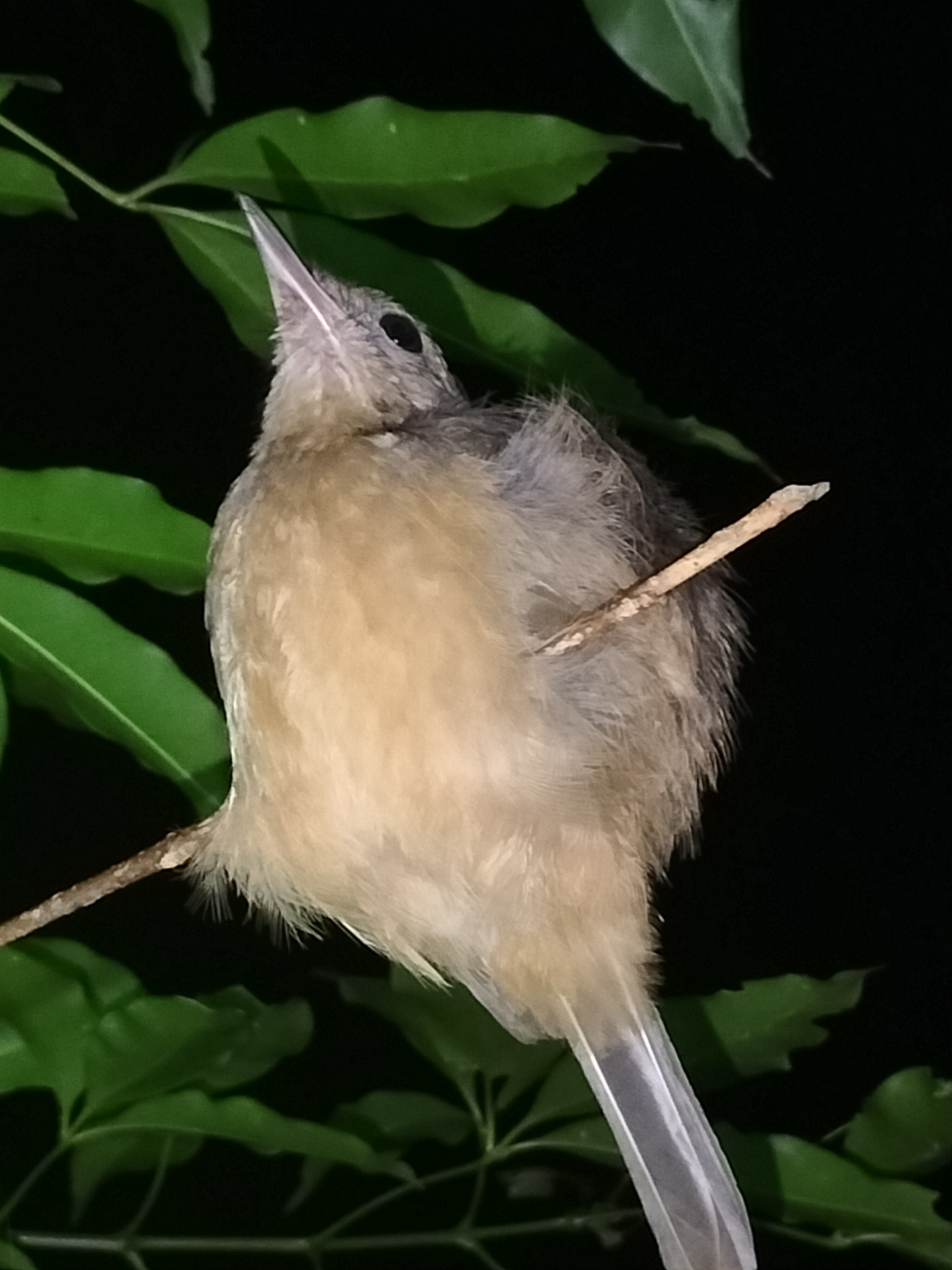
Long-billed Cuckoo vs Tagula Shrikethrush

Chalcites megarhynchus versus Colluricincla discolor

Play a quiz with Long-billed Cuckoo and Tagula Shrikethrush
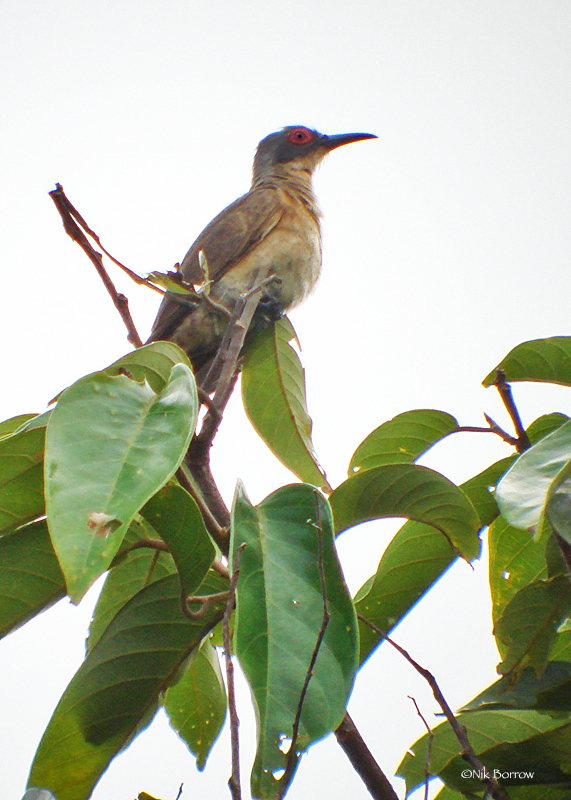
Long-billed Cuckoo (Chalcites megarhynchus) Long-billed Cuckoo
Tagula Shrikethrush (Colluricincla discolor) Tagula Shrikethrush

Media

Loading…

In short

The Long-billed Cuckoo and the Tagula Shrikethrush can be distinguished primarily by their bill shape and size, with the cuckoo having a notably longer and more curved bill. Additionally, the cuckoo's overall structure and plumage are more slender compared to the stockier build of the shrikethrush.

Identification tips

  1. Bill shape: Look for the longer, more curved bill of the Long-billed Cuckoo. 2. Structure: Note the cuckoo's slender body and longer tail compared to the stockier shrikethrush. 3. Behavior: Observe the cuckoo's tendency to be more visible in open areas versus the shrikethrush's preference for dense cover. 4. Vocalization: Listen for the cuckoo's repetitive calls versus the shrikethrush's melodious song.

Size

The Long-billed Cuckoo is generally more slender with a longer tail, while the Tagula Shrikethrush is stockier.

Plumage

The Long-billed Cuckoo typically has a more uniform and glossy plumage, whereas the Tagula Shrikethrush displays a more varied plumage with potential for subtle color differences depending on light conditions.

Behaviour

The Long-billed Cuckoo is more likely to be seen in flight or perched high in trees, while the Tagula Shrikethrush often forages in lower vegetation and is more secretive.

Habitat

Both species can be found in forested areas, but the Long-billed Cuckoo may be more associated with open woodland edges, while the Tagula Shrikethrush prefers denser forest interiors.

Voice

The Long-billed Cuckoo's call is typically a series of repetitive notes, while the Tagula Shrikethrush has a more melodious and varied song.

Submit a better description

Use the same sections as the comparison. Your text is published immediately.

The Long-billed Cuckoo and the Tagula Shrikethrush can be distinguished primarily by their bill shape and size, with the cuckoo having a notably longer and more curved bill. Additionally, the cuckoo's overall structure and plumage are more slender compared to the stockier build of the shrikethrush.

  1. Bill shape: Look for the longer, more curved bill of the Long-billed Cuckoo. 2. Structure: Note the cuckoo's slender body and longer tail compared to the stockier shrikethrush. 3. Behavior: Observe the cuckoo's tendency to be more visible in open areas versus the shrikethrush's preference for dense cover. 4. Vocalization: Listen for the cuckoo's repetitive calls versus the shrikethrush's melodious song.

The Long-billed Cuckoo is generally more slender with a longer tail, while the Tagula Shrikethrush is stockier.

The Long-billed Cuckoo typically has a more uniform and glossy plumage, whereas the Tagula Shrikethrush displays a more varied plumage with potential for subtle color differences depending on light conditions.

The Long-billed Cuckoo is more likely to be seen in flight or perched high in trees, while the Tagula Shrikethrush often forages in lower vegetation and is more secretive.

Both species can be found in forested areas, but the Long-billed Cuckoo may be more associated with open woodland edges, while the Tagula Shrikethrush prefers denser forest interiors.

The Long-billed Cuckoo's call is typically a series of repetitive notes, while the Tagula Shrikethrush has a more melodious and varied song.

Discard your changes?

You have unsaved edits. If you leave now, those changes will be lost.

Long-billed Cuckoo · Tagula Shrikethrush · My Tricky Birds