
Long-billed Dowitcher vs Stilt Sandpiper
Limnodromus scolopaceus versus Calidris himantopus
Play a quiz with Long-billed Dowitcher and Stilt Sandpiper
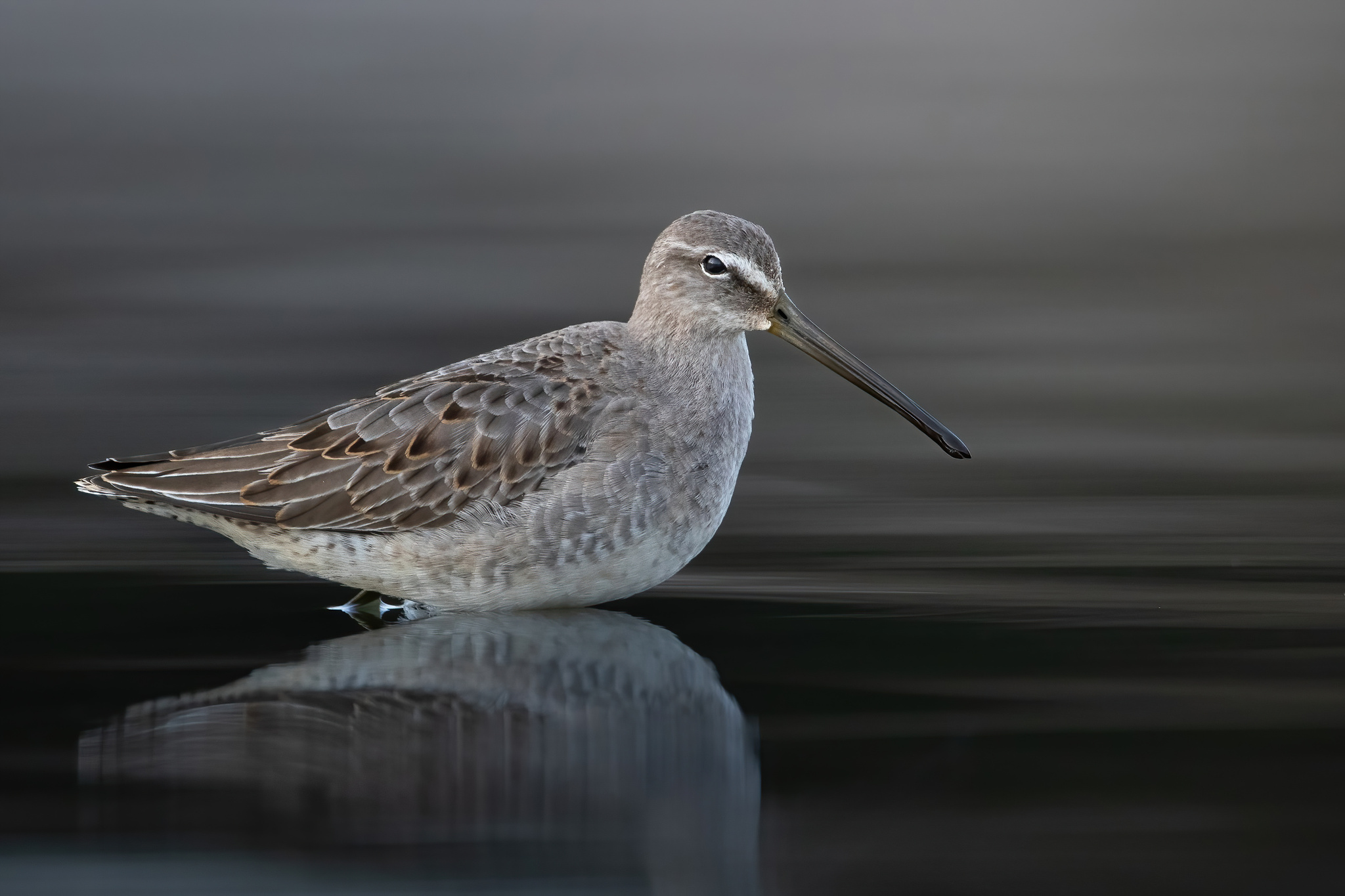 Long-billed Dowitcher
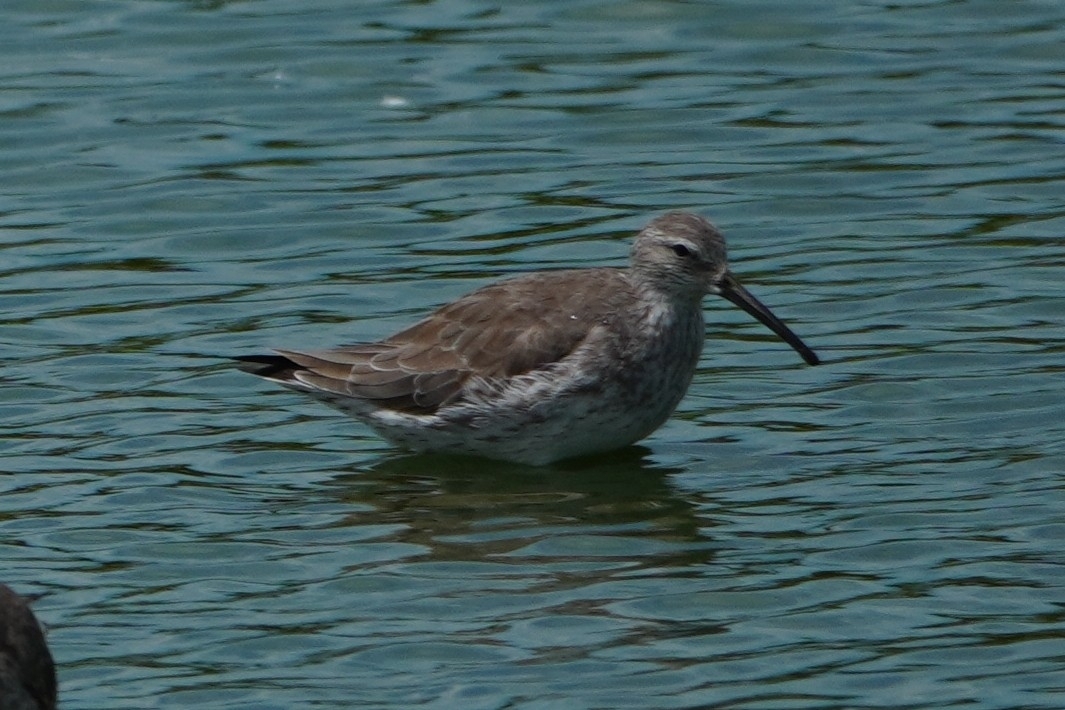 Stilt Sandpiper
In short
The Long-billed Dowitcher and Stilt Sandpiper can be distinguished by their feeding behavior and bill structure. The Long-billed Dowitcher has a notably long, sturdy bill and a 'sewing machine' feeding motion, while the Stilt Sandpiper has a slightly shorter, more slender bill and forages in deeper water.
Identification tips
- Bill Length and Shape: Long-billed Dowitcher has a longer, sturdier bill. 2. Feeding Behavior: Look for the 'sewing machine' motion of the Long-billed Dowitcher. 3. Leg Length: Stilt Sandpiper has longer legs, often seen in deeper water. 4. Plumage: In breeding season, note the reddish tones of the Long-billed Dowitcher compared to the streaked gray-brown of the Stilt Sandpiper. 5. Habitat: Consider the habitat; Stilt Sandpipers are more likely in deeper water settings.
Size
Both species are medium-sized sandpipers, but the Stilt Sandpiper appears slightly more elongated due to its longer legs.
Plumage
In breeding plumage, the Long-billed Dowitcher has a more uniformly reddish-brown underpart, while the Stilt Sandpiper shows a mix of gray and brown with a more streaked appearance. Non-breeding plumage is similar, but the Stilt Sandpiper tends to be grayer.
Behaviour
The Long-billed Dowitcher feeds with a rapid, repetitive probing motion ('sewing machine'), while the Stilt Sandpiper often feeds in belly-deep water, picking at the surface.
Habitat
Long-billed Dowitchers are often found in small pools and salt-marsh vegetation, whereas Stilt Sandpipers prefer pools or lagoons and avoid tidal mudflats.
Voice
The Long-billed Dowitcher emits a distinctive call when flying and feeding, which can be a helpful identification cue. Stilt Sandpiper calls are less distinctive and not as frequently noted.