
Mallard vs Brünnich's Guillemot
Anas platyrhynchos versus Uria lomvia
Play a quiz with Mallard and Brünnich's Guillemot
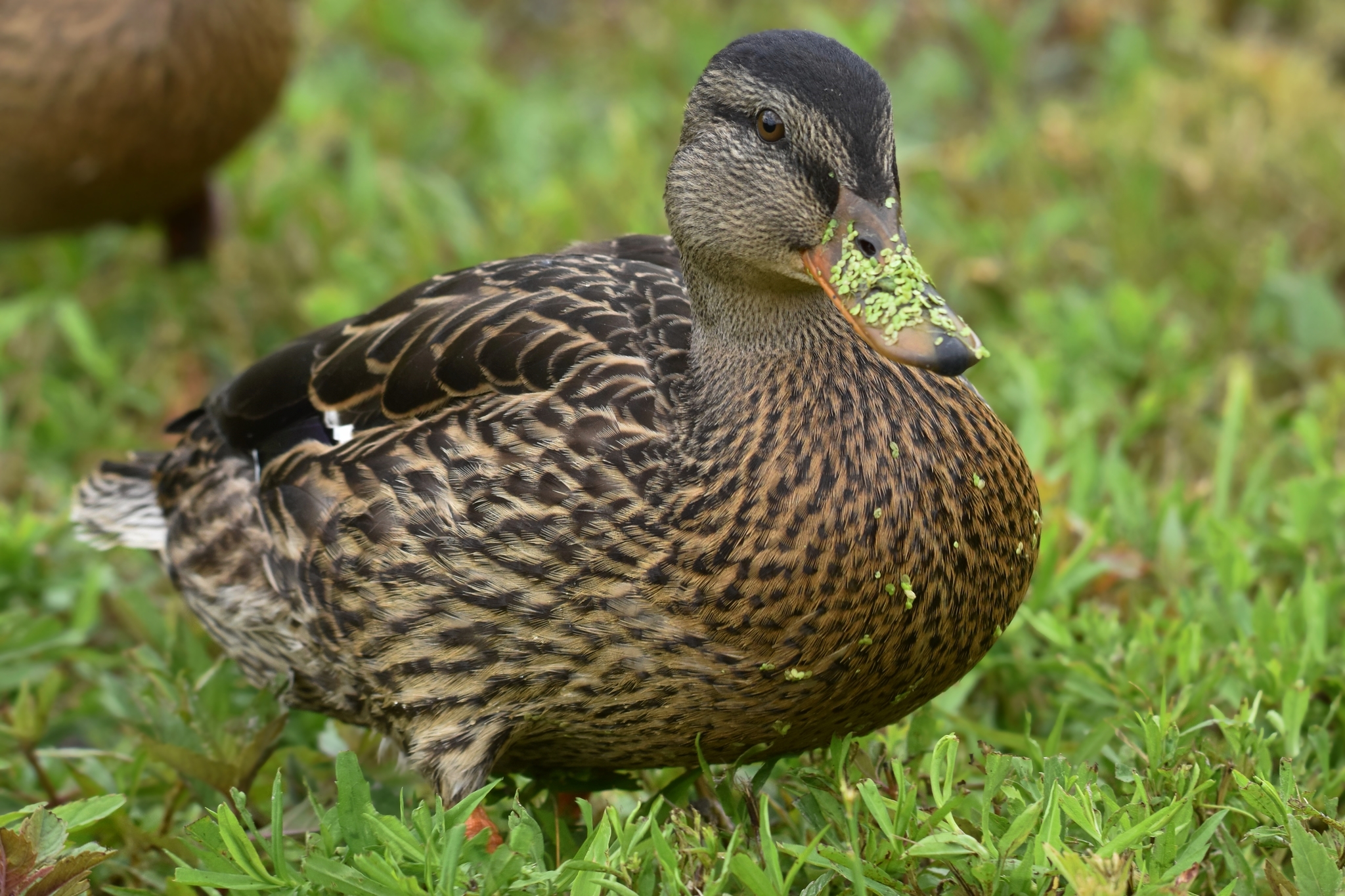 Mallard
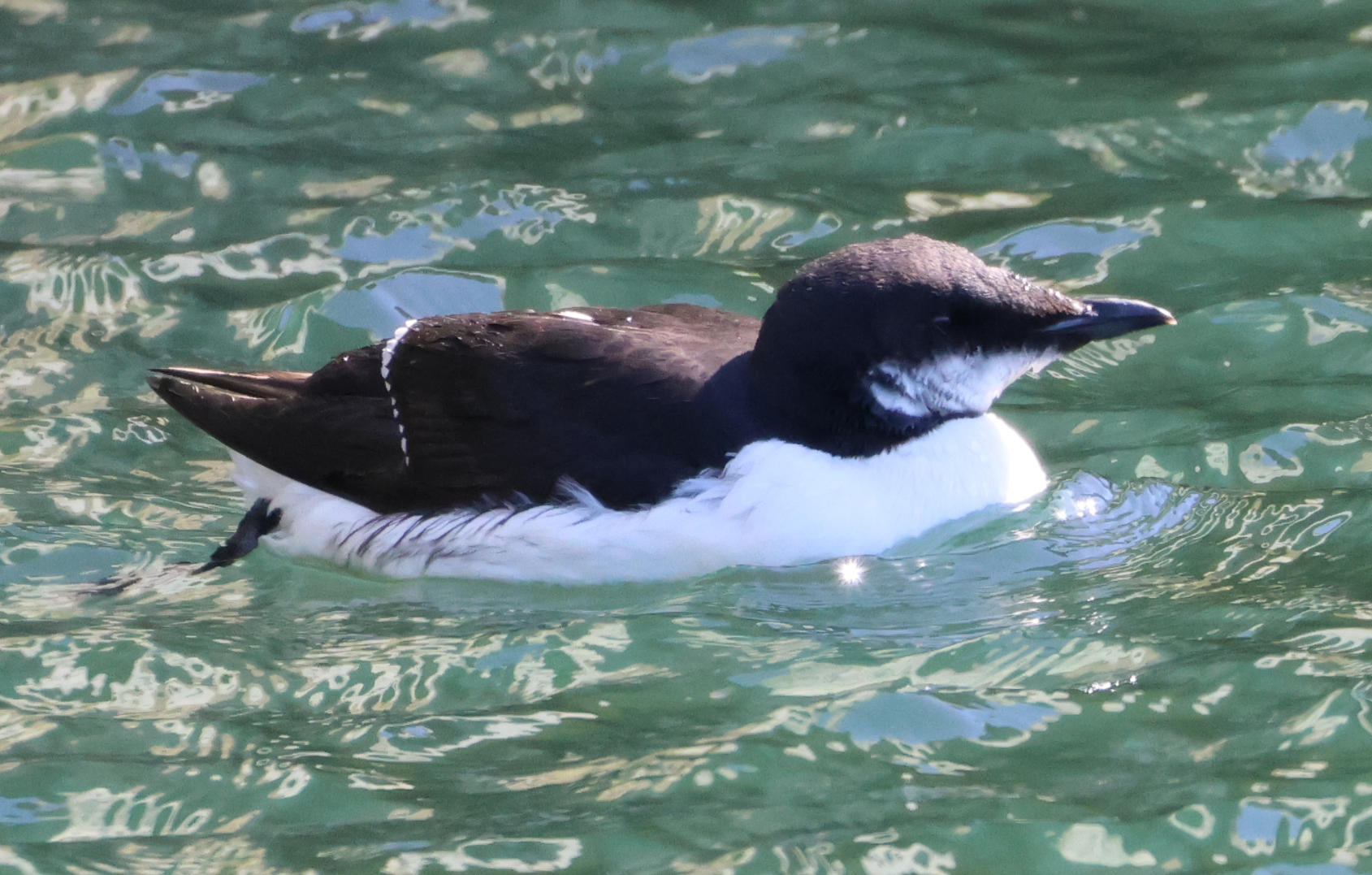 Brünnich's Guillemot
In short
Brünnich's Guillemot (Uria lomvia) and Mallard (Anas platyrhynchos) are two distinct bird species that differ significantly in size, plumage, habitat preferences, and behavior. The guillemot is a seabird adapted to marine environments, while the Mallard is a freshwater duck commonly found in diverse habitats. Their identification requires attention to their physical characteristics and typical behaviors.
Identification tips
- Birds of the World Similar-Species Diagnostics:
-
No direct quotes available from the Similar Species sections for these species. However, the Mallard is often confused with the American Black Duck, which has a similar shape but lacks the male Mallard's distinctive green head and white neck ring, making it a useful comparison for birdwatchers.
-
AI Field Diagnostics:
- When identifying these species, look for size differences: the Brünnich's Guillemot is more streamlined and smaller than the robust Mallard.
- Observe the plumage: the guillemot has dark upper parts and a white underside with a distinct face patch, while the Mallard male has a striking green head and chestnut breast, with females being brown and mottled.
- Consider habitat: if you’re birdwatching near the ocean or rocky cliffs, you are likely seeing Brünnich's Guillemots. In contrast, if you are near freshwater lakes, ponds, or urban areas, you are more likely to encounter Mallards.
- Pay attention to behavior: Guillemots are more likely to be seen diving or flying steeply along the coastline, while Mallards are commonly seen dabbling or swimming on the water’s surface.
- Listen for vocalizations: the soft cackling of the guillemot differs from the louder, more varied quacking of the Mallard, which can assist in identification if the birds are not immediately visible.
By focusing on these key identification features, birdwatchers can effectively distinguish between Brünnich's Guillemot and Mallard in their respective environments.
Size
- Brünnich's Guillemot: This species is a medium-sized seabird, measuring about 38-43 cm (15-17 inches) in length with a wingspan of approximately 70-80 cm (28-31 inches). They have a streamlined body and a relatively short neck.
- Mallard: The Mallard is larger, measuring around 50-65 cm (20-26 inches) in length with a wingspan of 81-98 cm (32-39 inches). They have a broader body and a longer neck compared to the guillemot.
Plumage
- Brünnich's Guillemot: The plumage is primarily dark brown to black on the upper parts, with a white underside. They have a distinctive white patch on the face that extends to the throat. In breeding plumage, they can show a slight iridescence.
- Mallard: Males are easily recognizable thanks to their glossy green head, white neck ring, and chestnut-brown breast. Females are mottled brown with an orange bill and a characteristic blue speculum (bright blue wing patch). The differences in male and female plumage are quite pronounced in Mallards.
Behaviour
- Brünnich's Guillemot: They are adept divers, primarily feeding on fish and marine invertebrates. Guillemots often forage in groups and are known for their high-speed dives to catch prey. They are typically found in rocky coastal areas and are strong fliers.
- Mallard: Mallards are dabbling ducks that forage at the water's surface for seeds, aquatic plants, and small invertebrates. They are often seen in pairs or small groups and are highly adaptable, frequently found in urban parks and ponds.
Habitat
- Brünnich's Guillemot: Preferring cold, marine environments, they are typically found around rocky coastal cliffs and islands in the Arctic and sub-Arctic regions. They nest on steep cliffs to avoid land predators.
- Mallard: This species is highly adaptable and can be found in a variety of habitats, including freshwater lakes, rivers, marshes, and urban parks. They breed across a wide range of North America, Europe, and Asia.
Voice
- Brünnich's Guillemot: Their calls are a series of short, sharp notes, often described as similar to a “cackling” sound. They are not particularly melodious but are effective for communication in their breeding colonies.
- Mallard: The male Mallard quacks loudly, while the female's vocalizations are more varied, including softer quacking and grunting sounds. Their calls are more recognizable and often associated with the presence of water.