Birdr

Mallard vs Common Kingfisher

Anas platyrhynchos versus Alcedo atthis

Play a quiz with Mallard and Common Kingfisher
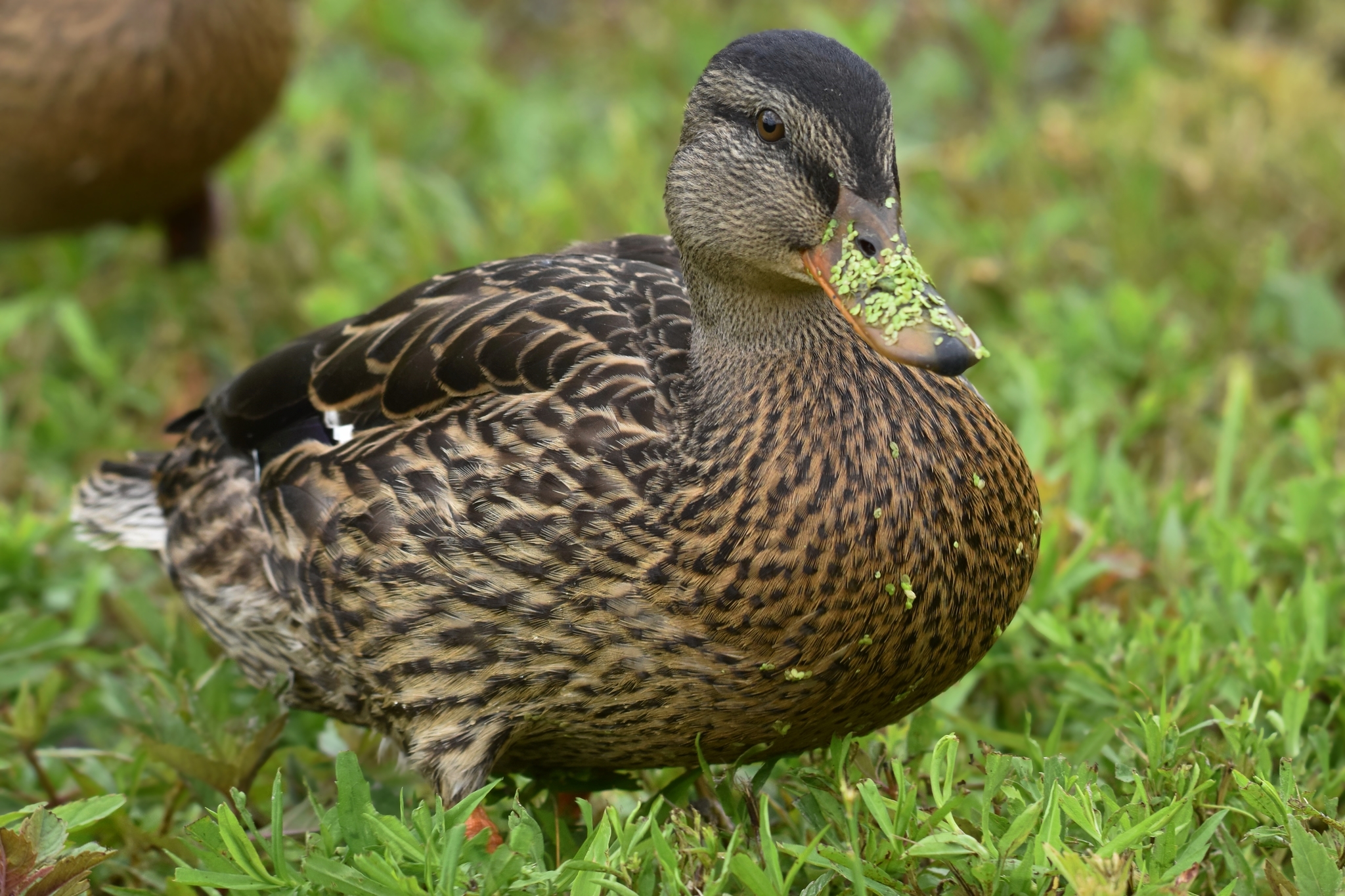
Mallard (Anas platyrhynchos) Mallard
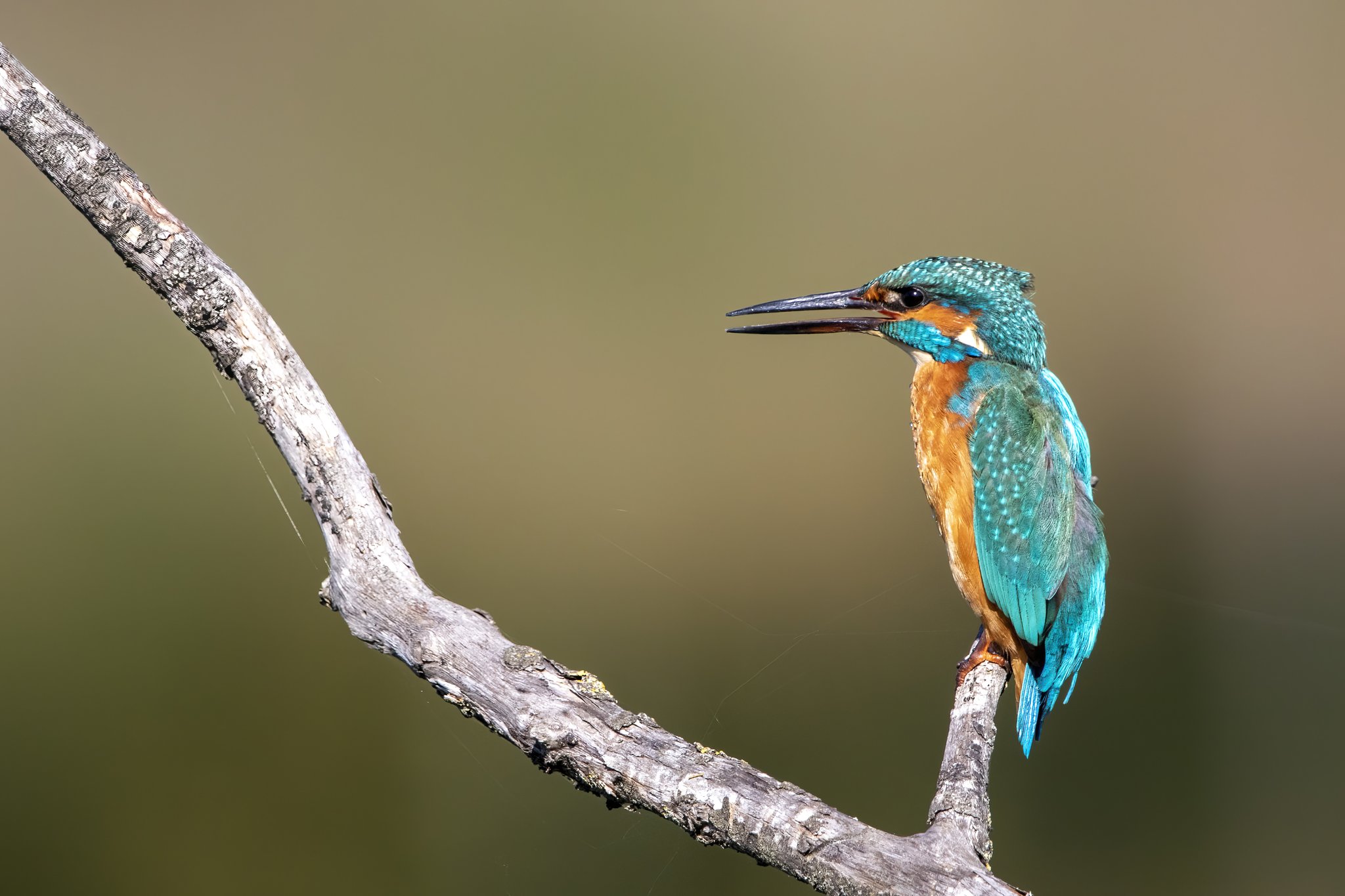
Common Kingfisher (Alcedo atthis) Common Kingfisher

Media

Loading…

In short

The Mallard and the Common Kingfisher are easily distinguished by their size and habitat preferences. Mallards are large, dabbling ducks found in a variety of wetland habitats, while Common Kingfishers are small, brightly colored birds often seen near freshwater bodies.

Identification tips

Size and Shape: Look for the larger size and more robust body of the Mallard compared to the small, compact Common Kingfisher. Plumage: Note the iridescent green head of male Mallards versus the vibrant blue and orange of the Common Kingfisher. Behavior: Observe the foraging behavior; Mallards dabble, while kingfishers dive. Habitat: Consider the habitat; Mallards are versatile, while kingfishers are near clear water. Vocalization: Listen for the Mallard's quack versus the kingfisher's sharp call.

Size

Mallards are significantly larger than Common Kingfishers, with a robust body compared to the kingfisher's small, compact frame.

Plumage

Mallards have a distinctive iridescent green head (in males) and a more muted brown plumage (in females), whereas Common Kingfishers are known for their bright blue and orange plumage.

Behaviour

Mallards are often seen dabbling in water or foraging on land, while Common Kingfishers are typically observed perched near water, diving for fish.

Habitat

Mallards are adaptable and found in a wide range of wetland habitats, including urban parks, while Common Kingfishers prefer clear, slow-moving freshwater bodies.

Voice

Mallards produce a familiar quacking sound, while Common Kingfishers have a high-pitched, sharp call.

Submit a better description

Use the same sections as the comparison. Your text is published immediately.

The Mallard and the Common Kingfisher are easily distinguished by their size and habitat preferences. Mallards are large, dabbling ducks found in a variety of wetland habitats, while Common Kingfishers are small, brightly colored birds often seen near freshwater bodies.

Size and Shape: Look for the larger size and more robust body of the Mallard compared to the small, compact Common Kingfisher. Plumage: Note the iridescent green head of male Mallards versus the vibrant blue and orange of the Common Kingfisher. Behavior: Observe the foraging behavior; Mallards dabble, while kingfishers dive. Habitat: Consider the habitat; Mallards are versatile, while kingfishers are near clear water. Vocalization: Listen for the Mallard's quack versus the kingfisher's sharp call.

Mallards are significantly larger than Common Kingfishers, with a robust body compared to the kingfisher's small, compact frame.

Mallards have a distinctive iridescent green head (in males) and a more muted brown plumage (in females), whereas Common Kingfishers are known for their bright blue and orange plumage.

Mallards are often seen dabbling in water or foraging on land, while Common Kingfishers are typically observed perched near water, diving for fish.

Mallards are adaptable and found in a wide range of wetland habitats, including urban parks, while Common Kingfishers prefer clear, slow-moving freshwater bodies.

Mallards produce a familiar quacking sound, while Common Kingfishers have a high-pitched, sharp call.

Discard your changes?

You have unsaved edits. If you leave now, those changes will be lost.

Mallard · Common Kingfisher · My Tricky Birds