Birdr

Mangrove Honeyeater vs Singing Honeyeater

Gavicalis fasciogularis versus Gavicalis virescens

Play a quiz with Mangrove Honeyeater and Singing Honeyeater
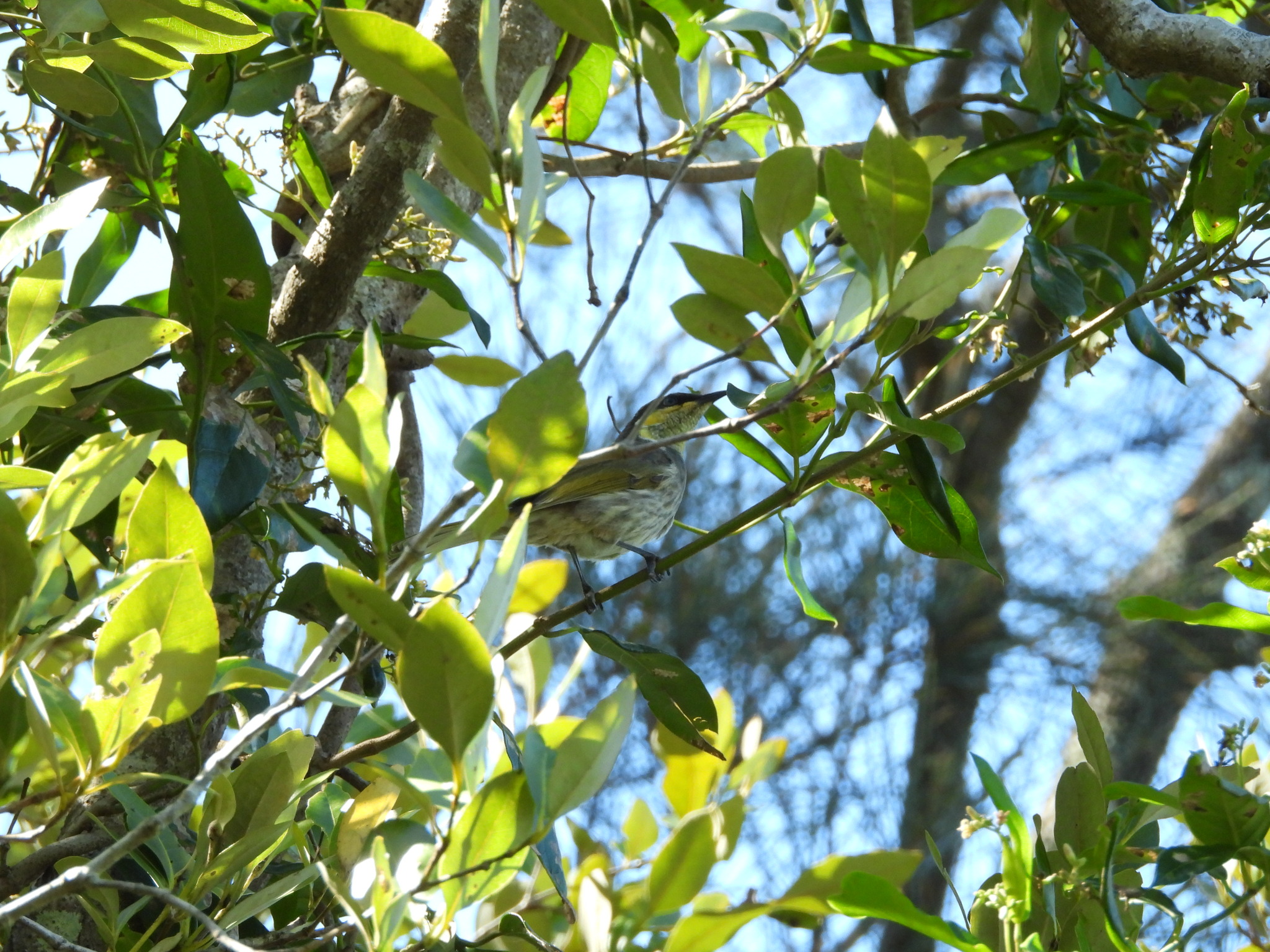
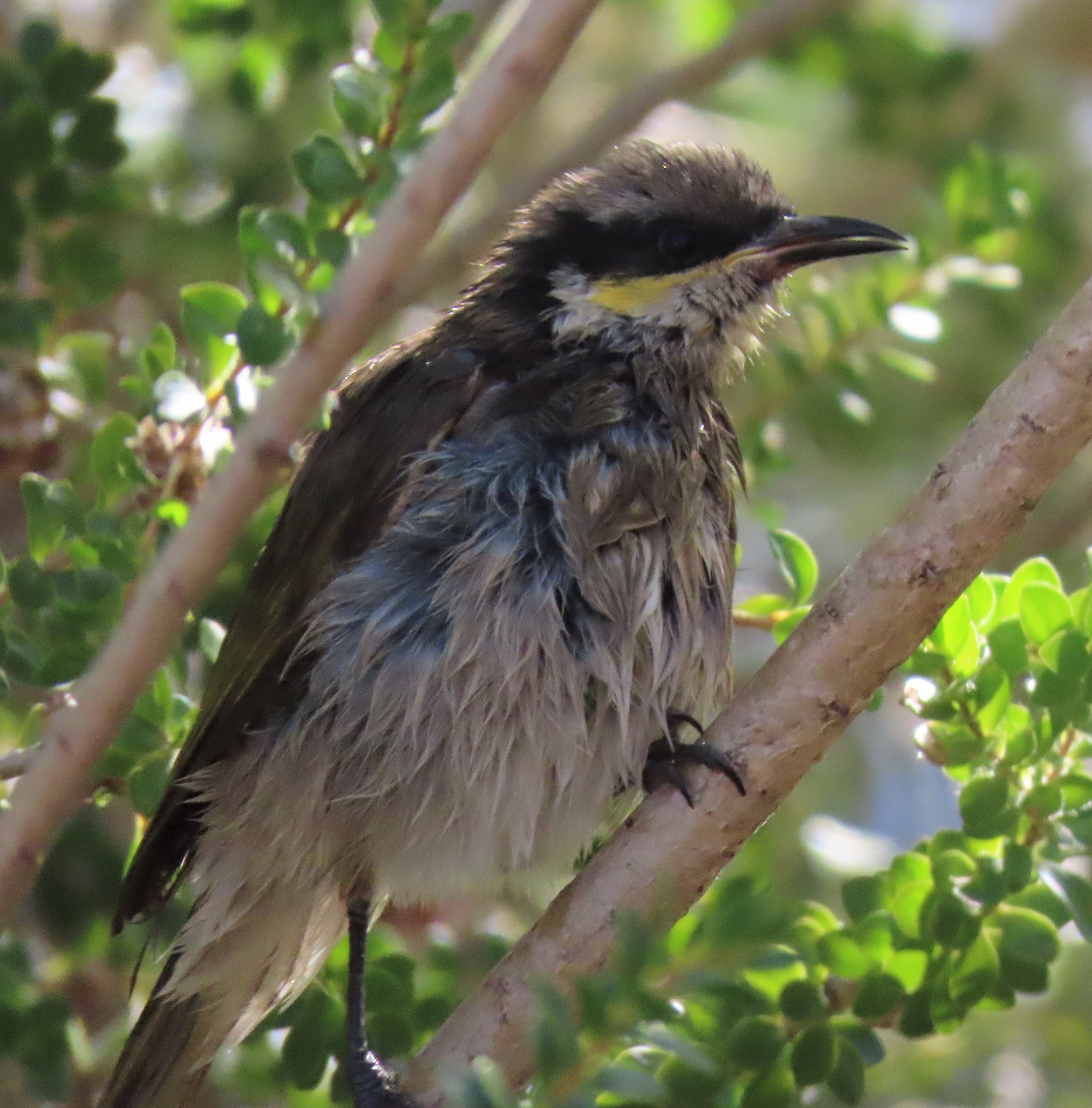
Mangrove Honeyeater (Gavicalis fasciogularis) Mangrove Honeyeater
Singing Honeyeater (Gavicalis virescens) Singing Honeyeater

Media

Loading…

In short

The Mangrove Honeyeater and Singing Honeyeater can be distinguished by habitat preference and subtle plumage differences. The Mangrove Honeyeater is typically found in coastal mangroves, while the Singing Honeyeater is more widespread in varied habitats. Look for differences in the face pattern and underparts coloration.

Identification tips

1. Habitat: Check the habitat; Mangrove Honeyeater is usually in mangroves, while Singing Honeyeater is found in more diverse environments. 2. Facial Pattern: Look for a prominent white cheek patch in the Mangrove Honeyeater. 3. Underparts Coloration: Mangrove Honeyeater has more contrasting underparts. 4. Vocalization: Listen for the more melodious song of the Singing Honeyeater, though this can be subtle.

Size

Both species are similar in size, typical of medium-sized honeyeaters.

Plumage

The Mangrove Honeyeater has a more distinct facial pattern with a prominent white cheek patch and a darker, more contrasting throat. The Singing Honeyeater has a less defined facial pattern and a more uniform, duller coloration on the underparts.

Behaviour

Both species exhibit similar feeding behaviors, often seen foraging for nectar and insects.

Habitat

The Mangrove Honeyeater is primarily found in coastal mangroves, while the Singing Honeyeater occupies a wider range of habitats including woodlands, shrublands, and urban areas.

Voice

Vocalizations are not the most reliable for differentiation, as both species have varied and complex calls. However, the Singing Honeyeater's song is generally more melodious.

Submit a better description

Use the same sections as the comparison. Your text is published immediately.

The Mangrove Honeyeater and Singing Honeyeater can be distinguished by habitat preference and subtle plumage differences. The Mangrove Honeyeater is typically found in coastal mangroves, while the Singing Honeyeater is more widespread in varied habitats. Look for differences in the face pattern and underparts coloration.

1. Habitat: Check the habitat; Mangrove Honeyeater is usually in mangroves, while Singing Honeyeater is found in more diverse environments. 2. Facial Pattern: Look for a prominent white cheek patch in the Mangrove Honeyeater. 3. Underparts Coloration: Mangrove Honeyeater has more contrasting underparts. 4. Vocalization: Listen for the more melodious song of the Singing Honeyeater, though this can be subtle.

Both species are similar in size, typical of medium-sized honeyeaters.

The Mangrove Honeyeater has a more distinct facial pattern with a prominent white cheek patch and a darker, more contrasting throat. The Singing Honeyeater has a less defined facial pattern and a more uniform, duller coloration on the underparts.

Both species exhibit similar feeding behaviors, often seen foraging for nectar and insects.

The Mangrove Honeyeater is primarily found in coastal mangroves, while the Singing Honeyeater occupies a wider range of habitats including woodlands, shrublands, and urban areas.

Vocalizations are not the most reliable for differentiation, as both species have varied and complex calls. However, the Singing Honeyeater's song is generally more melodious.

Discard your changes?

You have unsaved edits. If you leave now, those changes will be lost.

Mangrove Honeyeater · Singing Honeyeater · My Tricky Birds