
Marsh Sandpiper vs Pectoral Sandpiper
Tringa stagnatilis versus Calidris melanotos
Play a quiz with Marsh Sandpiper and Pectoral Sandpiper
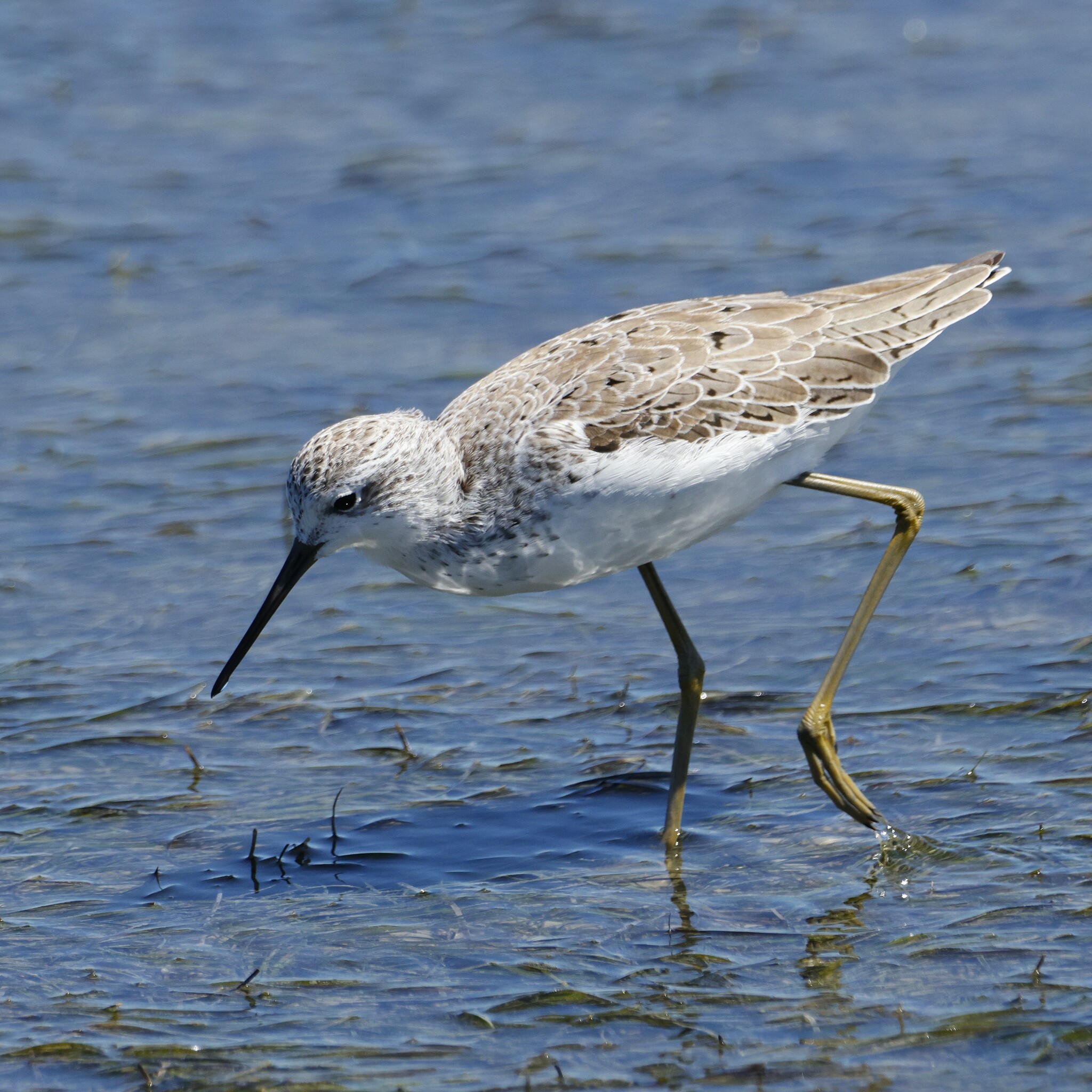 Marsh Sandpiper
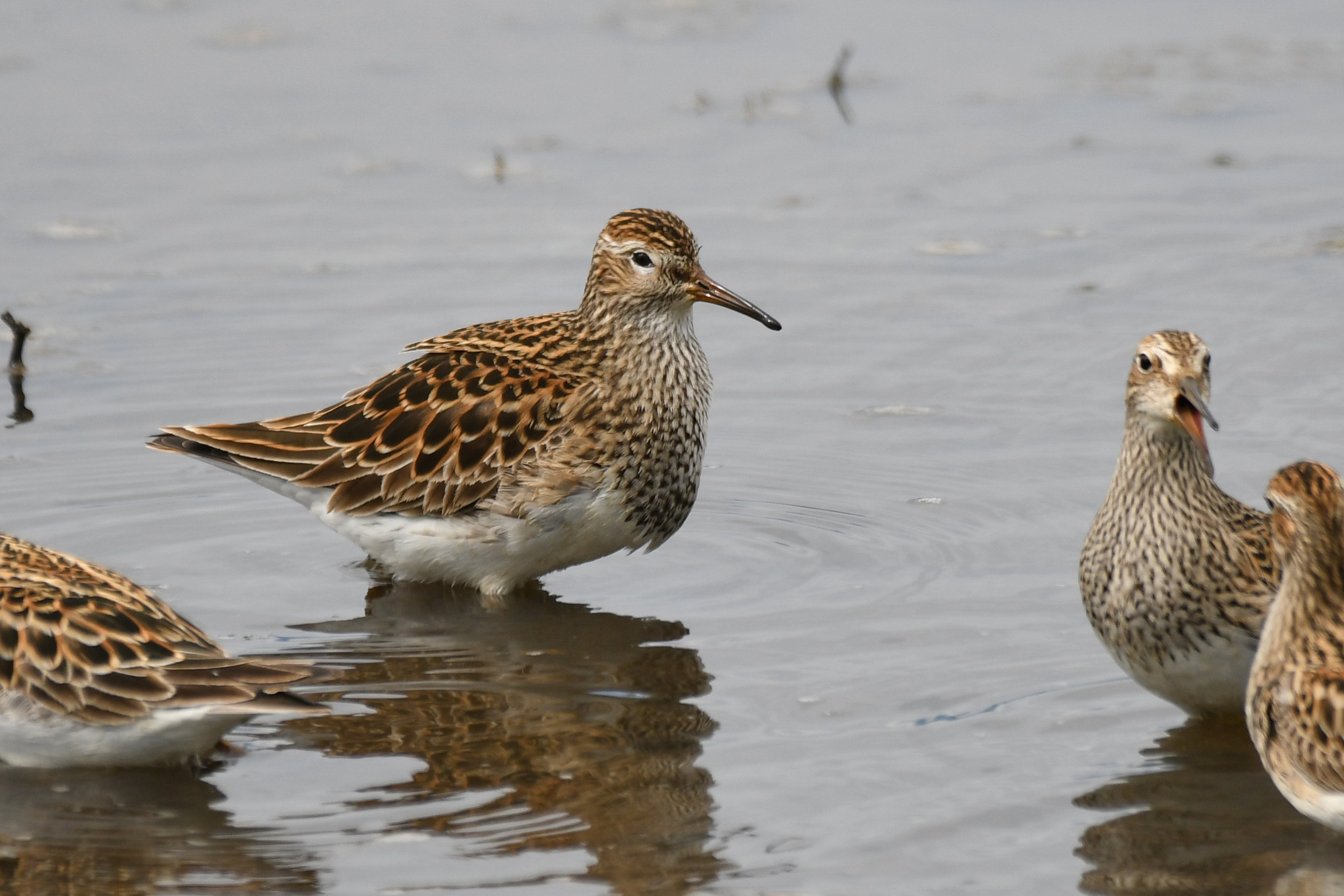 Pectoral Sandpiper
In short
The Marsh Sandpiper and Pectoral Sandpiper can be distinguished by their size and structural differences. The Marsh Sandpiper is more slender with a longer, needle-like bill, while the Pectoral Sandpiper has a more robust appearance with a shorter, stouter bill. Plumage differences include the Pectoral Sandpiper's distinctive streaked breast and sharp demarcation from the white belly.
Identification tips
- Bill shape: Marsh Sandpiper has a long, thin bill; Pectoral Sandpiper's is shorter and stouter.
- Breast pattern: Pectoral Sandpiper has a streaked breast with a sharp demarcation.
- Size and structure: Marsh Sandpiper is more slender and delicate.
- Habitat preference: Marsh Sandpipers in wetlands, Pectoral Sandpipers on mudflats.
- Vocalization: Listen for Pectoral Sandpiper's hollow hoots in breeding season.
Size
The Marsh Sandpiper is smaller and more delicate, resembling a small Greenshank, while the Pectoral Sandpiper is stockier and larger.
Plumage
The Pectoral Sandpiper has a streaked breast with a clear line separating it from the white belly, whereas the Marsh Sandpiper is generally paler with a more uniform appearance and lacks the distinct breast band.
Behaviour
Marsh Sandpipers often wade in deeper water and have a more graceful, deliberate feeding style. Pectoral Sandpipers are more likely to be seen on mudflats or grassy areas, often probing quickly.
Habitat
Marsh Sandpipers are typically found in shallow wetlands and marshes, while Pectoral Sandpipers prefer grassy tundra and mudflats during migration.
Voice
Marsh Sandpipers are generally quieter, while Pectoral Sandpipers have a unique series of hollow hoots during their breeding display.