Birdr

Masked Shrike vs Black-headed Jay

Lanius nubicus versus Garrulus lanceolatus

Play a quiz with Masked Shrike and Black-headed Jay
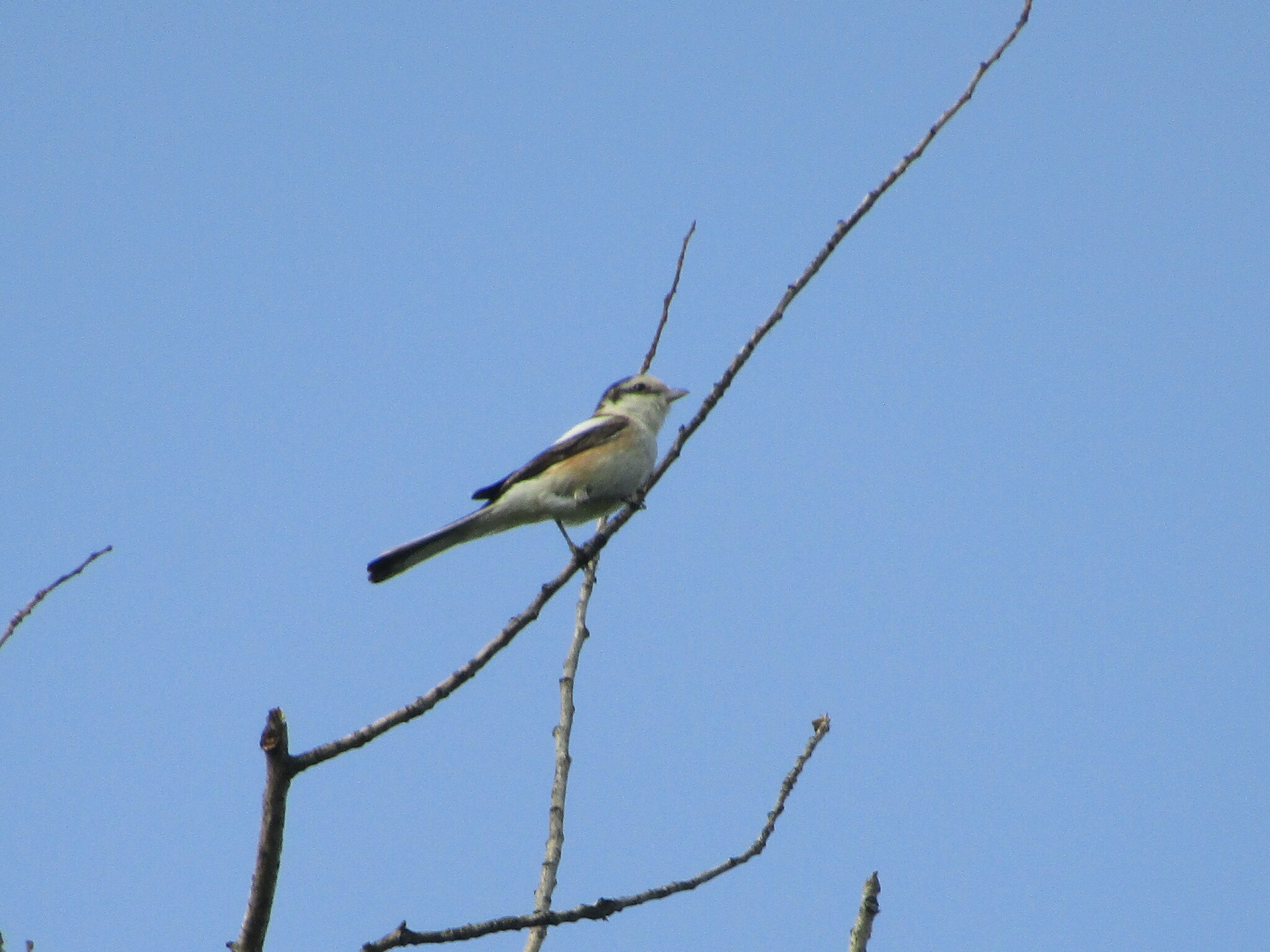
Masked Shrike (Lanius nubicus) Masked Shrike
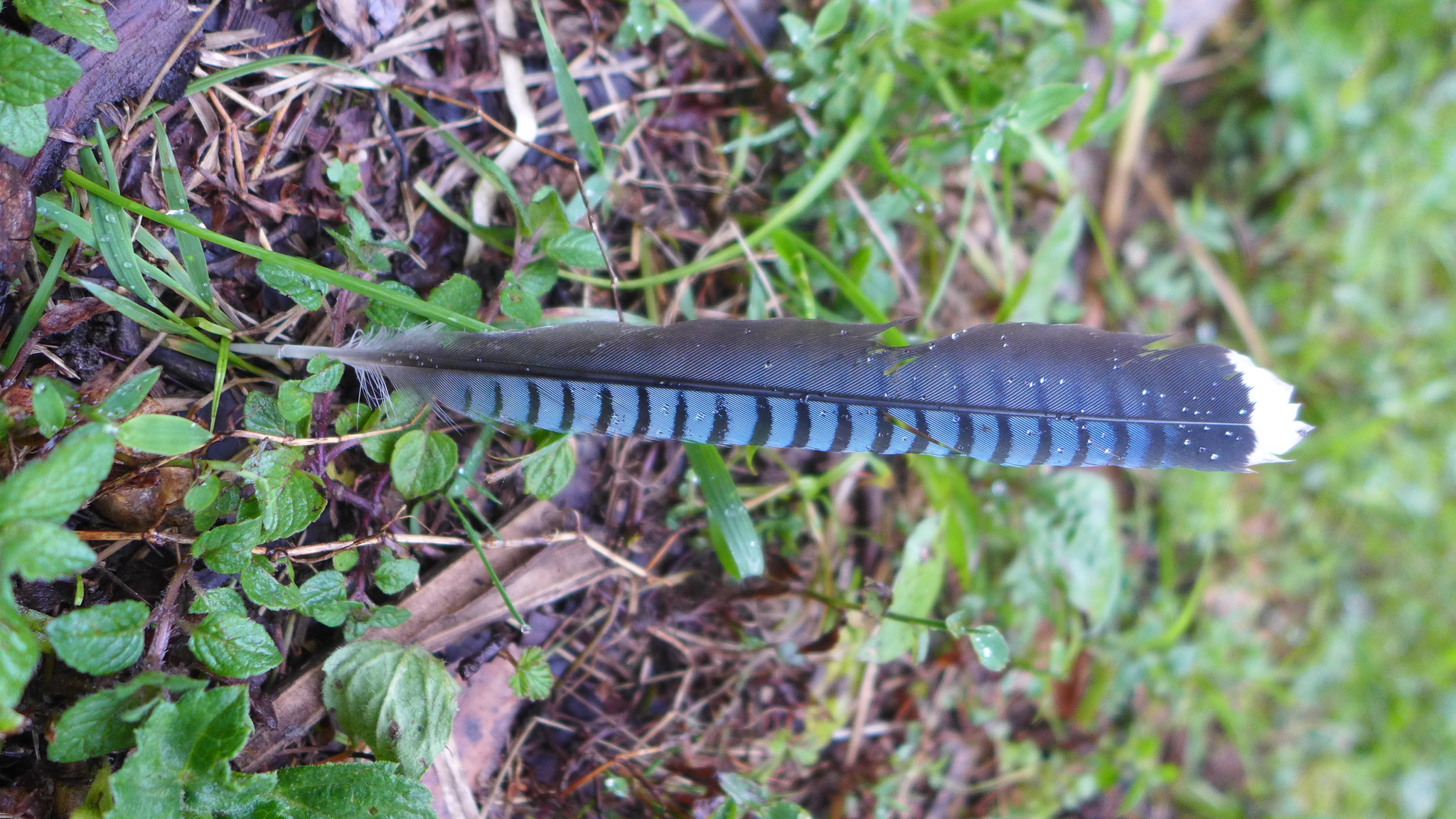
Black-headed Jay (Garrulus lanceolatus) Black-headed Jay

Media

Loading…

In short

The Masked Shrike and Black-headed Jay are distinct in both appearance and behavior. The Masked Shrike is smaller with a striking black mask and white underparts, while the Black-headed Jay is larger, with a black head and more colorful plumage. These differences are usually clear in the field.

Identification tips

Look for the black mask and white underparts of the Masked Shrike. Note the larger size and black head of the Black-headed Jay. Consider habitat: open areas for shrikes, forests for jays. Listen for the shrike's varied song versus the jay's chattering calls.

Size

The Masked Shrike is smaller and more slender compared to the larger, bulkier Black-headed Jay.

Plumage

The Masked Shrike has a distinctive black mask, white underparts, and a contrasting black-and-white pattern on its wings and tail. In contrast, the Black-headed Jay features a black head, pinkish-brown body, and blue and white wing markings.

Behaviour

Masked Shrikes are solitary or found in pairs, often perching conspicuously. Black-headed Jays are more social, often seen in mixed flocks with other corvids and laughingthrushes.

Habitat

Masked Shrikes prefer open woodlands and scrubby areas, while Black-headed Jays are typically found in forested regions, often at higher elevations.

Voice

Masked Shrikes have a varied song with harsh notes, while Black-headed Jays are known for their noisy, chattering calls.

Submit a better description

Use the same sections as the comparison. Your text is published immediately.

The Masked Shrike and Black-headed Jay are distinct in both appearance and behavior. The Masked Shrike is smaller with a striking black mask and white underparts, while the Black-headed Jay is larger, with a black head and more colorful plumage. These differences are usually clear in the field.

Look for the black mask and white underparts of the Masked Shrike. Note the larger size and black head of the Black-headed Jay. Consider habitat: open areas for shrikes, forests for jays. Listen for the shrike's varied song versus the jay's chattering calls.

The Masked Shrike is smaller and more slender compared to the larger, bulkier Black-headed Jay.

The Masked Shrike has a distinctive black mask, white underparts, and a contrasting black-and-white pattern on its wings and tail. In contrast, the Black-headed Jay features a black head, pinkish-brown body, and blue and white wing markings.

Masked Shrikes are solitary or found in pairs, often perching conspicuously. Black-headed Jays are more social, often seen in mixed flocks with other corvids and laughingthrushes.

Masked Shrikes prefer open woodlands and scrubby areas, while Black-headed Jays are typically found in forested regions, often at higher elevations.

Masked Shrikes have a varied song with harsh notes, while Black-headed Jays are known for their noisy, chattering calls.

Discard your changes?

You have unsaved edits. If you leave now, those changes will be lost.

Masked Shrike · Black-headed Jay · My Tricky Birds