Birdr

Meadow Bunting vs Ochre-rumped Bunting

Emberiza cioides versus Emberiza yessoensis

Play a quiz with Meadow Bunting and Ochre-rumped Bunting
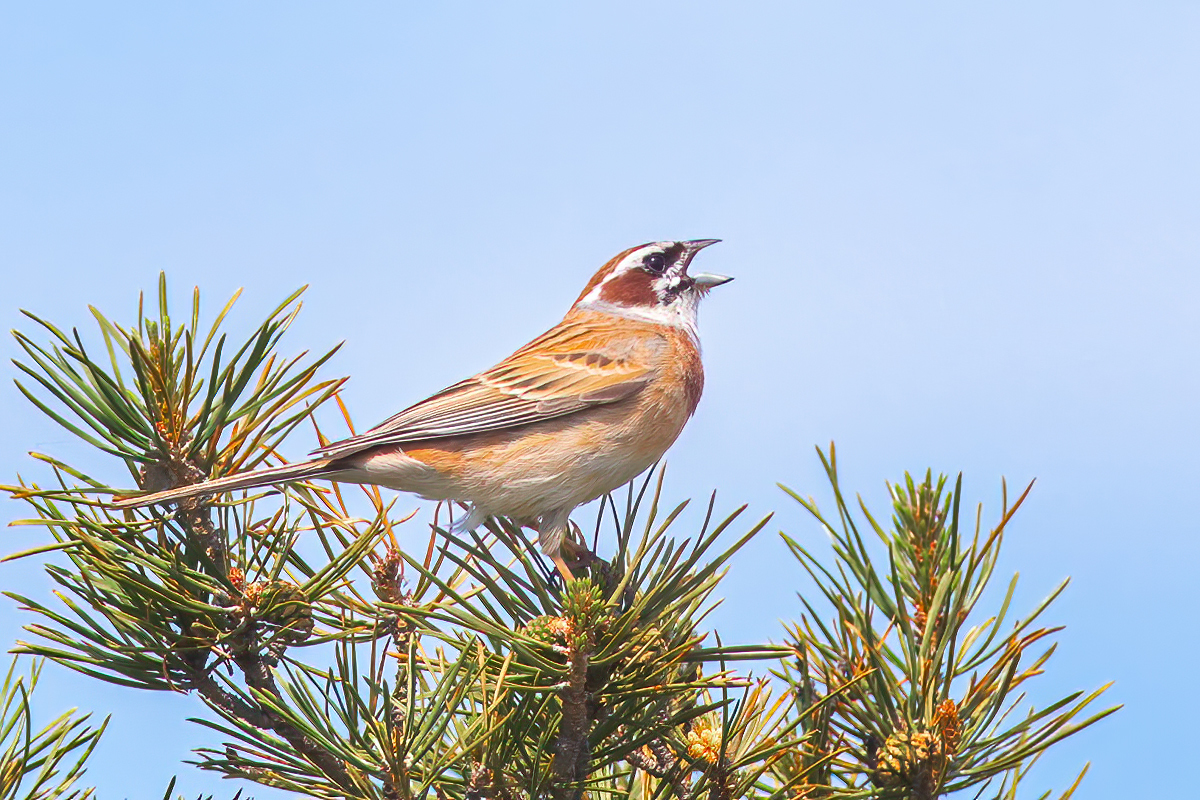
Meadow Bunting (Emberiza cioides) Meadow Bunting
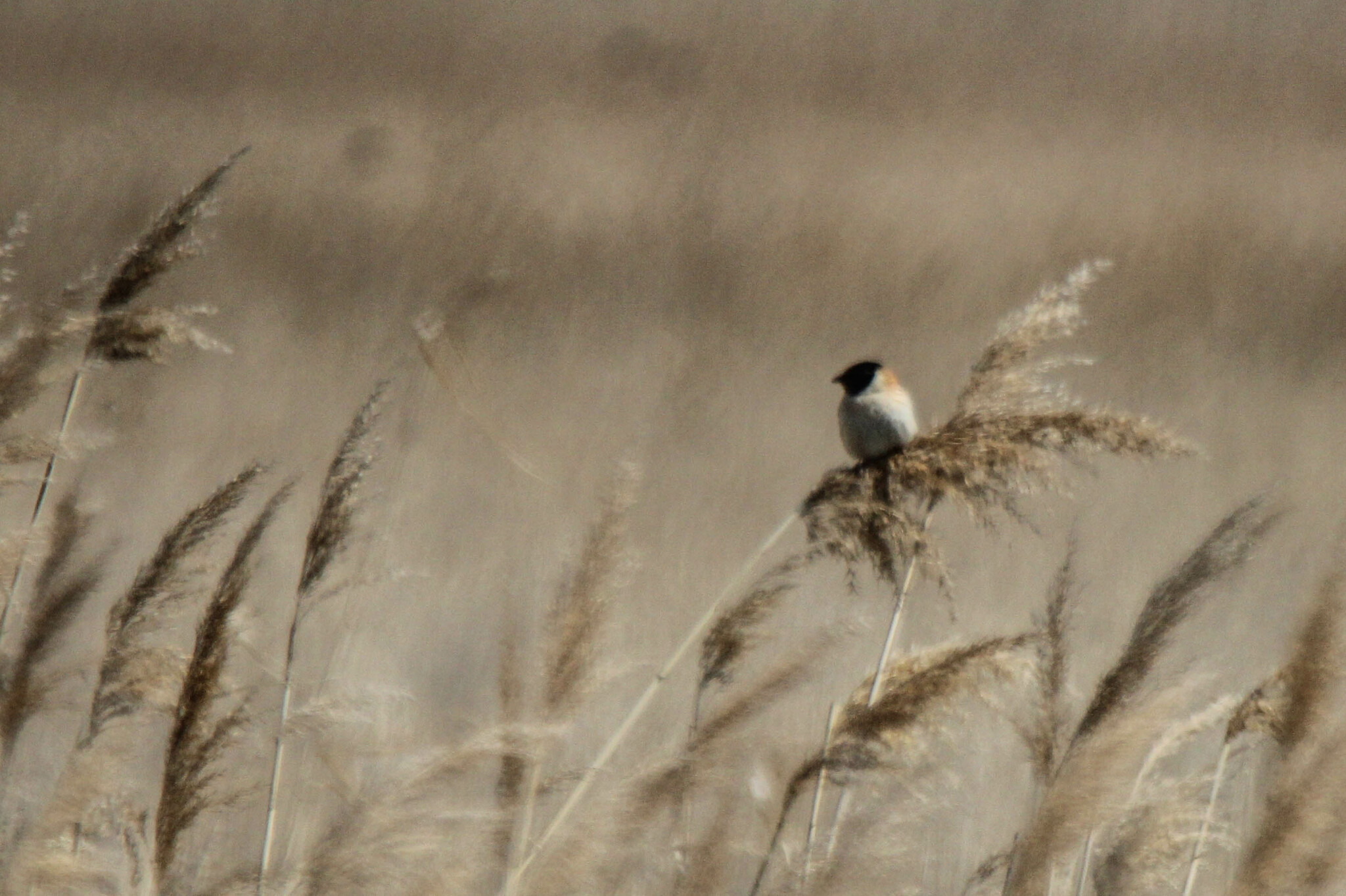
Ochre-rumped Bunting (Emberiza yessoensis) Ochre-rumped Bunting

Media

Loading…

In short

The Meadow Bunting and Ochre-rumped Bunting are similar in structure but can be distinguished by their plumage and habitat preferences. The Meadow Bunting often shows a more pronounced rufous coloration on the ear coverts, while the Ochre-rumped Bunting has a distinctive ochre rump. Both species share similar vocalizations, making visual identification more reliable.

Identification tips

  1. Look for the rufous ear coverts in Meadow Buntings. 2. Check for the ochre rump in Ochre-rumped Buntings. 3. Consider habitat: open fields suggest Meadow Bunting, marshy areas suggest Ochre-rumped Bunting. 4. Use vocalizations cautiously as they are similar.

Size

Both species are similar in size, typical of Old World buntings.

Plumage

The Meadow Bunting typically has rufous ear coverts and a more uniform brown back, whereas the Ochre-rumped Bunting features an ochre-colored rump and a more streaked appearance overall.

Behaviour

Both species exhibit typical bunting behavior, often seen foraging on the ground or perched conspicuously.

Habitat

Meadow Buntings are found in open habitats like grasslands and fields, while Ochre-rumped Buntings prefer marshy areas and reedbeds.

Voice

Vocalizations are similar between the two species, with both producing typical bunting-like songs and calls.

Submit a better description

Use the same sections as the comparison. Your text is published immediately.

The Meadow Bunting and Ochre-rumped Bunting are similar in structure but can be distinguished by their plumage and habitat preferences. The Meadow Bunting often shows a more pronounced rufous coloration on the ear coverts, while the Ochre-rumped Bunting has a distinctive ochre rump. Both species share similar vocalizations, making visual identification more reliable.

  1. Look for the rufous ear coverts in Meadow Buntings. 2. Check for the ochre rump in Ochre-rumped Buntings. 3. Consider habitat: open fields suggest Meadow Bunting, marshy areas suggest Ochre-rumped Bunting. 4. Use vocalizations cautiously as they are similar.

Both species are similar in size, typical of Old World buntings.

The Meadow Bunting typically has rufous ear coverts and a more uniform brown back, whereas the Ochre-rumped Bunting features an ochre-colored rump and a more streaked appearance overall.

Both species exhibit typical bunting behavior, often seen foraging on the ground or perched conspicuously.

Meadow Buntings are found in open habitats like grasslands and fields, while Ochre-rumped Buntings prefer marshy areas and reedbeds.

Vocalizations are similar between the two species, with both producing typical bunting-like songs and calls.

Discard your changes?

You have unsaved edits. If you leave now, those changes will be lost.

Meadow Bunting · Ochre-rumped Bunting · My Tricky Birds