
Mediterranean Short-toed Lark vs Siberian Stonechat
Alaudala rufescens versus Saxicola maurus
Play a quiz with Mediterranean Short-toed Lark and Siberian Stonechat
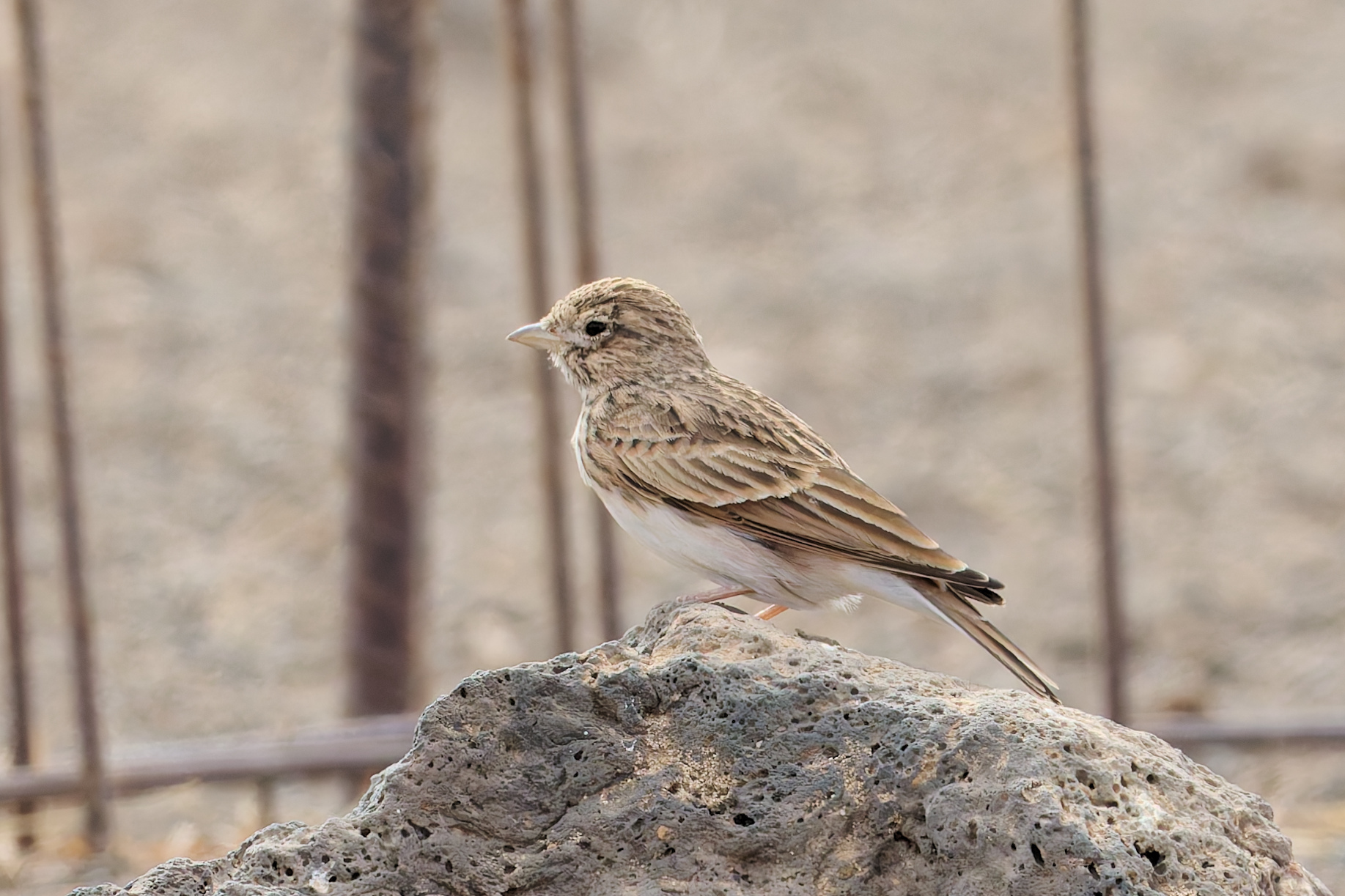 Mediterranean Short-toed Lark
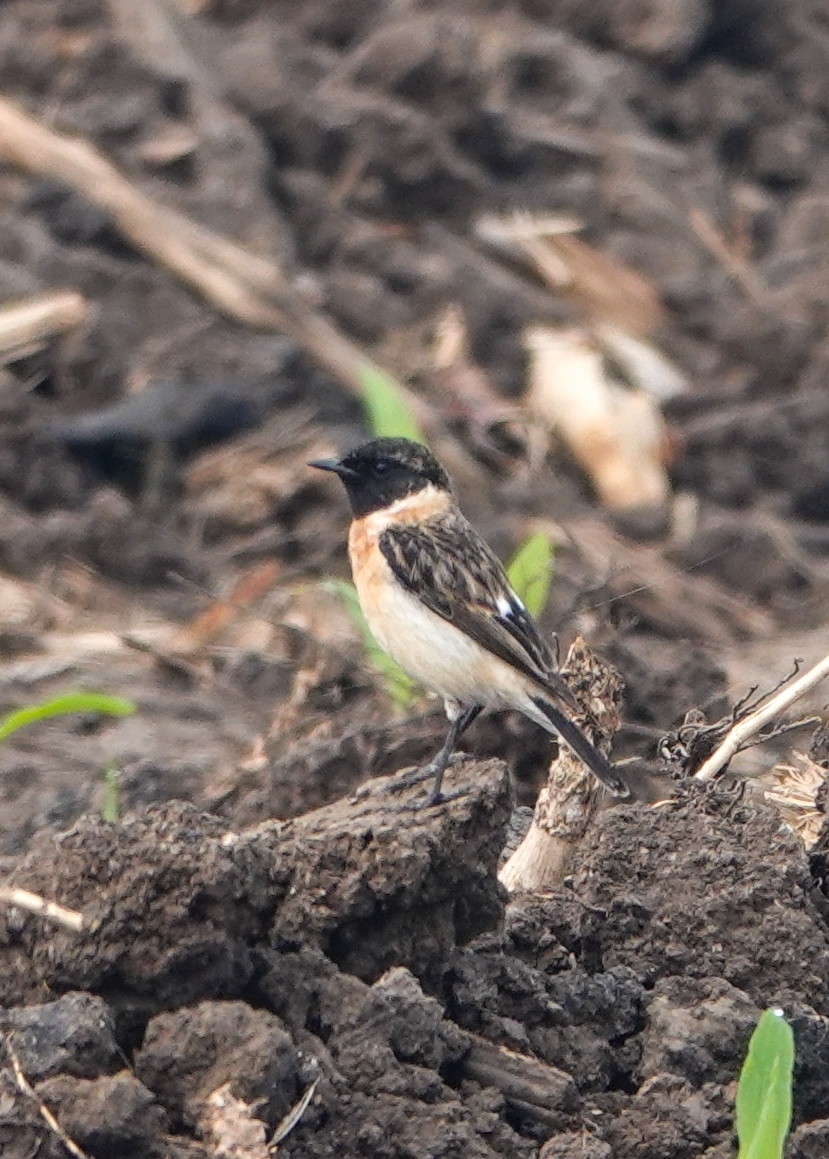 Siberian Stonechat
In short
The Mediterranean Short-toed Lark and Siberian Stonechat are distinct in both structure and habitat preference. The lark is a small, ground-dwelling bird with a short bill, while the stonechat is a perching bird with a more upright stance and a longer tail. Their plumage and behavior also differ significantly, aiding identification.
Identification tips
1. Structure: Look for the lark's short bill and compact body versus the stonechat's longer tail and upright posture. 2. Habitat: Note the open, arid environments for larks and more varied, shrubby areas for stonechats. 3. Behavior: Larks are ground foragers; stonechats perch visibly. 4. Plumage: Larks are sandy-brown with subtle streaks; stonechats have contrasting dark and light patterns. 5. Vocalization: Listen for the lark's trills and the stonechat's sharp 'chat' calls.
Size
The Mediterranean Short-toed Lark is smaller and more compact compared to the Siberian Stonechat, which appears more slender with a longer tail.
Plumage
The lark has a more uniform, sandy-brown plumage with subtle streaking, while the stonechat displays more contrasting colors with a darker head and often a white collar or rump patch.
Behaviour
The lark is often seen foraging on the ground in open areas, whereas the stonechat is typically observed perched on shrubs or low branches, often flicking its tail.
Habitat
Mediterranean Short-toed Larks prefer open, arid landscapes such as grasslands and deserts, while Siberian Stonechats are found in more varied habitats including open fields, scrub, and edges of forests.
Voice
The lark's song is a series of trills and whistles, often delivered in flight, while the stonechat's call is a sharp 'chat' sound, with a more varied song that includes whistles and clicks.
Mediterranean Short-toed Lark · Siberian Stonechat · My Tricky Birds