Birdr

Mexican Whip-poor-will vs Brown Nightjar

Antrostomus arizonae versus Veles binotatus

Play a quiz with Mexican Whip-poor-will and Brown Nightjar
Mexican Whip-poor-will (Antrostomus arizonae) Mexican Whip-poor-will
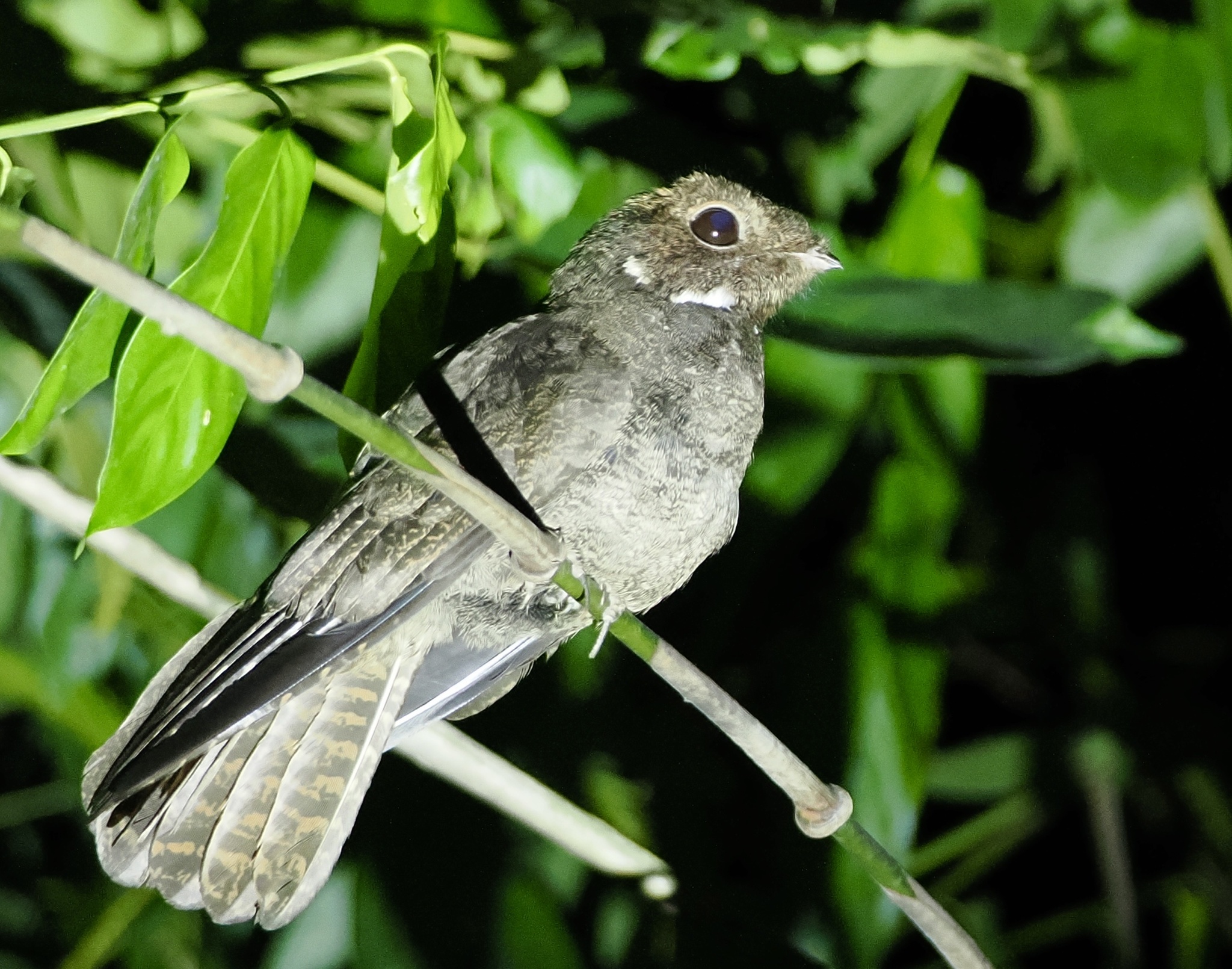
Brown Nightjar (Veles binotatus) Brown Nightjar

Media

Loading…

In short

The Mexican Whip-poor-will and Brown Nightjar are both members of the nightjar family, making them challenging to distinguish. Key differences lie in their plumage patterns and vocalizations. Observers should focus on these features when identifying these species in the field.

Identification tips

  1. Listen for calls: The Mexican Whip-poor-will's distinctive 'whip-poor-will' call is a reliable identifier. 2. Examine plumage: Look for the more mottled and contrasting patterns of the Mexican Whip-poor-will compared to the more uniform brown of the Brown Nightjar. 3. Consider habitat: If in North America, especially in pine-oak forests, the bird is more likely to be a Mexican Whip-poor-will. In tropical Asian forests, a Brown Nightjar is more probable.

Size

Both species are similar in size, typical of nightjars, with no significant differences in overall body length or wingspan noted.

Plumage

The Mexican Whip-poor-will typically has a more mottled appearance with intricate patterns of gray, brown, and black, which provides excellent camouflage against forest floors. The Brown Nightjar, as its name suggests, has a more uniformly brown plumage with less contrasting patterns, making it appear more monochromatic.

Behaviour

Both species exhibit typical nightjar behavior, being nocturnal and often seen resting on the ground during the day. They are both known for their silent, moth-like flight.

Habitat

Mexican Whip-poor-wills are found in a variety of wooded habitats, including pine-oak forests and mixed woodlands, primarily in the southwestern United States and Mexico. Brown Nightjars are more often associated with tropical and subtropical forests in Southeast Asia.

Voice

The Mexican Whip-poor-will is known for its repetitive 'whip-poor-will' call, which is a key identifying feature. The Brown Nightjar's vocalizations are less documented but are generally described as softer and less distinctive.

Submit a better description

Use the same sections as the comparison. Your text is published immediately.

The Mexican Whip-poor-will and Brown Nightjar are both members of the nightjar family, making them challenging to distinguish. Key differences lie in their plumage patterns and vocalizations. Observers should focus on these features when identifying these species in the field.

  1. Listen for calls: The Mexican Whip-poor-will's distinctive 'whip-poor-will' call is a reliable identifier. 2. Examine plumage: Look for the more mottled and contrasting patterns of the Mexican Whip-poor-will compared to the more uniform brown of the Brown Nightjar. 3. Consider habitat: If in North America, especially in pine-oak forests, the bird is more likely to be a Mexican Whip-poor-will. In tropical Asian forests, a Brown Nightjar is more probable.

Both species are similar in size, typical of nightjars, with no significant differences in overall body length or wingspan noted.

The Mexican Whip-poor-will typically has a more mottled appearance with intricate patterns of gray, brown, and black, which provides excellent camouflage against forest floors. The Brown Nightjar, as its name suggests, has a more uniformly brown plumage with less contrasting patterns, making it appear more monochromatic.

Both species exhibit typical nightjar behavior, being nocturnal and often seen resting on the ground during the day. They are both known for their silent, moth-like flight.

Mexican Whip-poor-wills are found in a variety of wooded habitats, including pine-oak forests and mixed woodlands, primarily in the southwestern United States and Mexico. Brown Nightjars are more often associated with tropical and subtropical forests in Southeast Asia.

The Mexican Whip-poor-will is known for its repetitive 'whip-poor-will' call, which is a key identifying feature. The Brown Nightjar's vocalizations are less documented but are generally described as softer and less distinctive.

Discard your changes?

You have unsaved edits. If you leave now, those changes will be lost.

Mexican Whip-poor-will · Brown Nightjar · My Tricky Birds